
10 Questions to Ask Before Buying an Overhead Crane
An investment in overhead crane installation in your manufacturing plant or industrial establishment is certainly a huge decision. Choosing the right one will help you increase your efficiency, ensure workplace safety, and decrease expenses, while choosing a bad one may cause regular breakdowns and costly repairs.
Therefore, when you decide on purchasing such equipment, you need to analyze your needs and select a good supplier. Below are the top ten questions that you should ask before buying an overhead crane.
1. What is the Maximum Load Capacity You Need?
First you need to know the weight your crane should lift per day. Choosing a crane that doesn’t have enough capacity can be dangerous. On the other hand, choosing a crane that is too big will cost you more money.
Thoughts to ponder:
- Average Load Weight
- Max load requirements
- Production growth in the future
- Frequency of heavy lifting
Choosing the right load capacity offers improved efficiency and longer crane life.
2. What Type of Overhead Crane Is Best for Your Industry?
Each industry does not necessarily need the same crane. Some of the common varieties of cranes include:
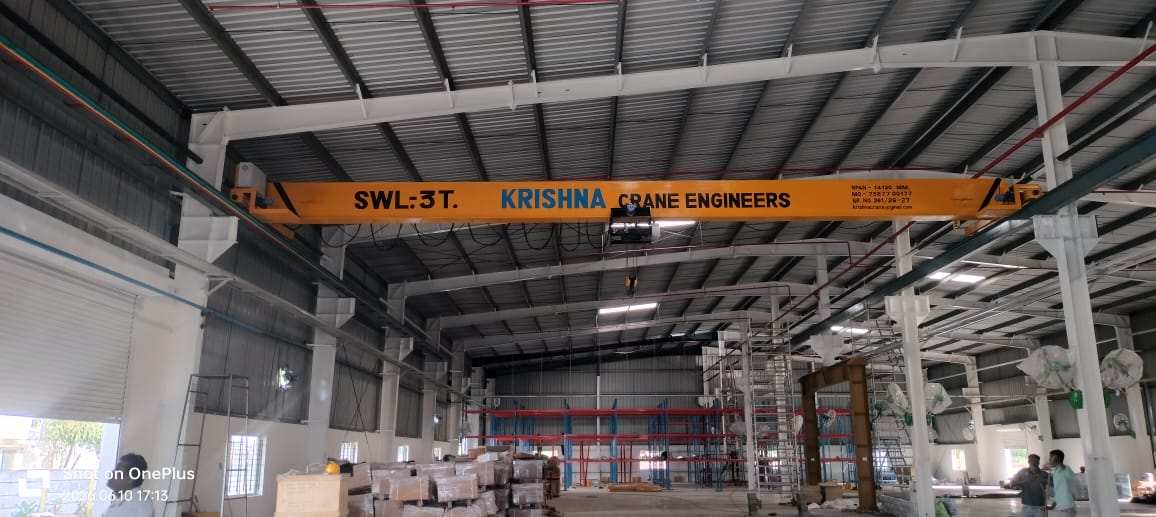
- The single girder cranes for light and medium-duty work
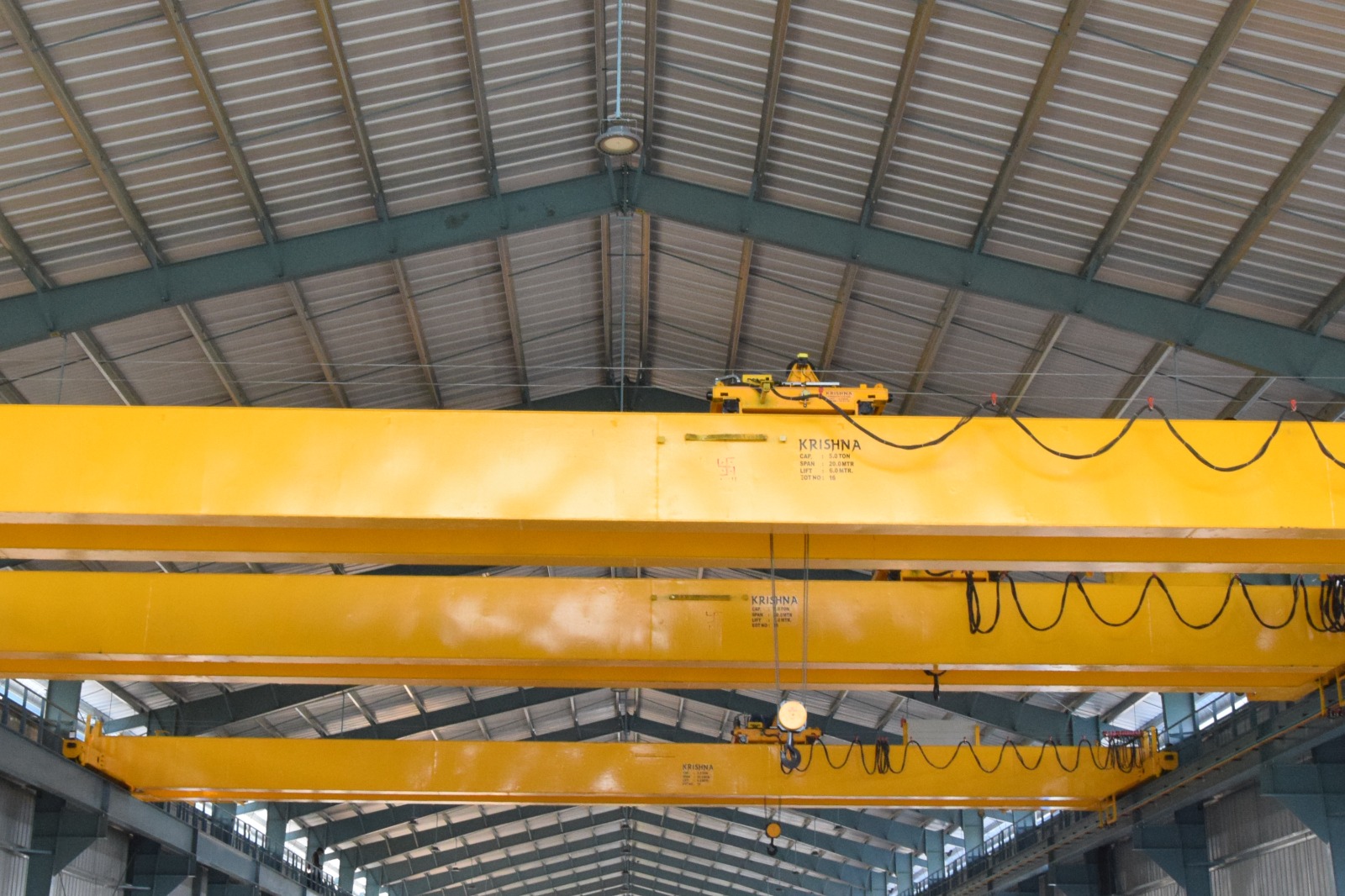
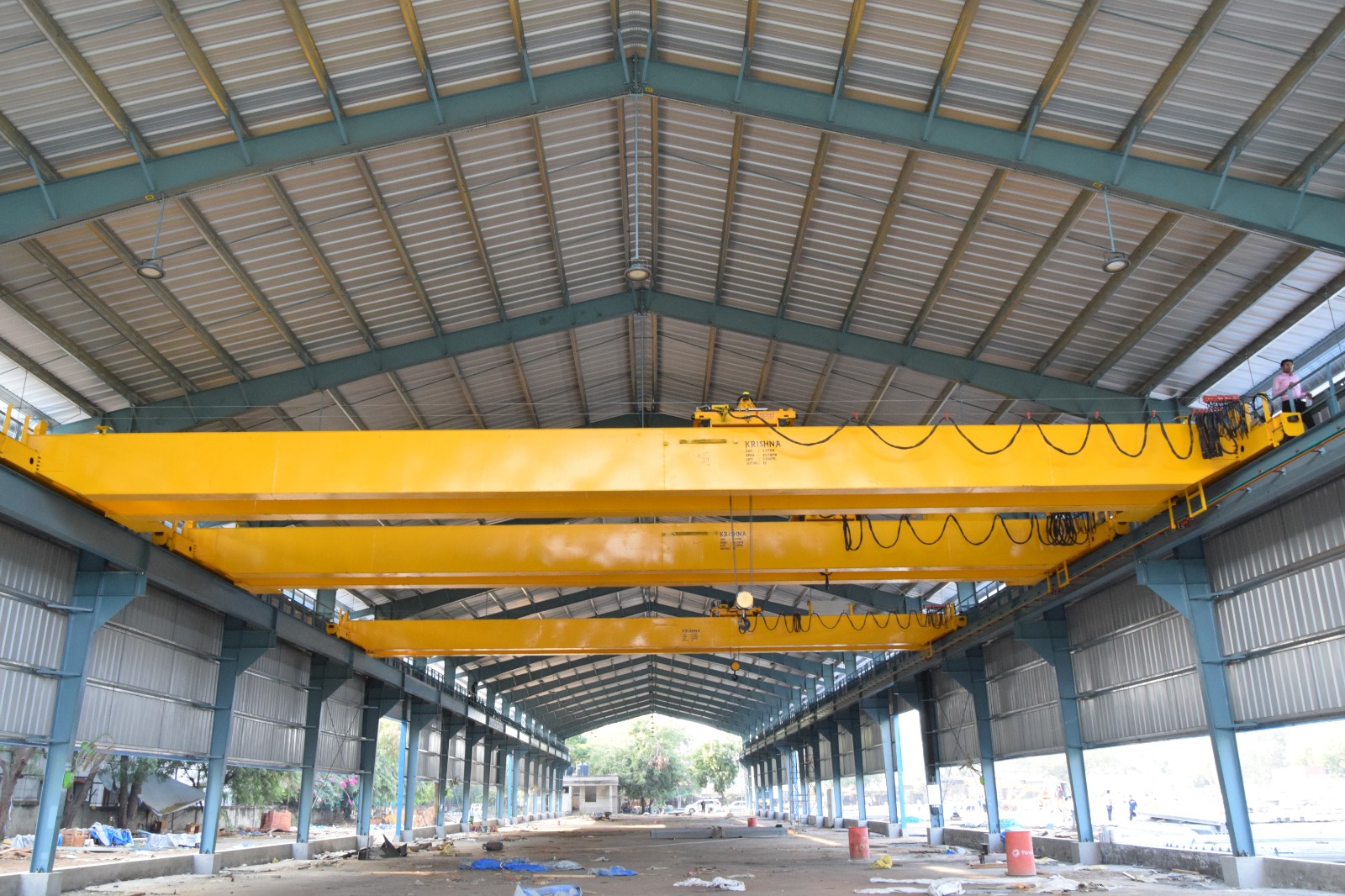
- The double girder cranes for heavy-duty industries
- The bridge cranes for large industrial plants
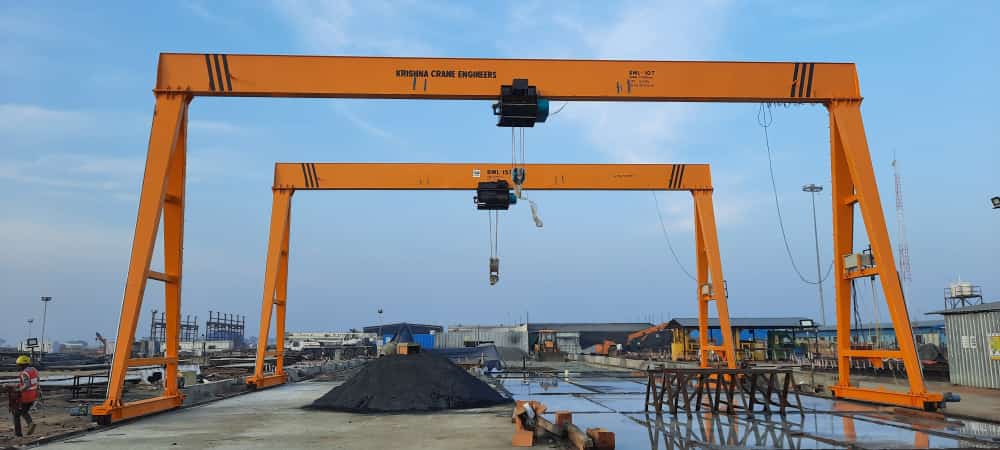
- The gantry cranes for outdoor work
A discussion with experienced overhead crane manufacturers will be beneficial in determining the ideal overhead crane for your business.
3. How Often Will the Crane Be Used?
A crane which is constantly working during the whole day is a different kind of machine compared to one that is rarely in use.
Ask yourself:
- Does it operate 24 hours?
- Is it needed to work in shifts?
- Is there going to be a constant production process?
Information about the duty cycle will help decide upon the proper motor, hoist, and frame.
4. Is the crane customized for your workspace?
There is always something special about every place where work is done.
Consider the following while purchasing one:
- Height of building
- Span requirements
- Runway length
- Space needed on the ground
- Restrictions for installation
A custom solution makes things more efficient and utilizes space better.
5. What Safety Features Are Included?
Safety must not be sacrificed while dealing with loads.
Some of the safety devices include:
- Overload safety device
- Emergency safety device
- Anti-collision safety device
- Limit safety device
- Anti-sway safety device
- Brake safety device
Safety at work is improved with the use of modern safety devices in cranes.
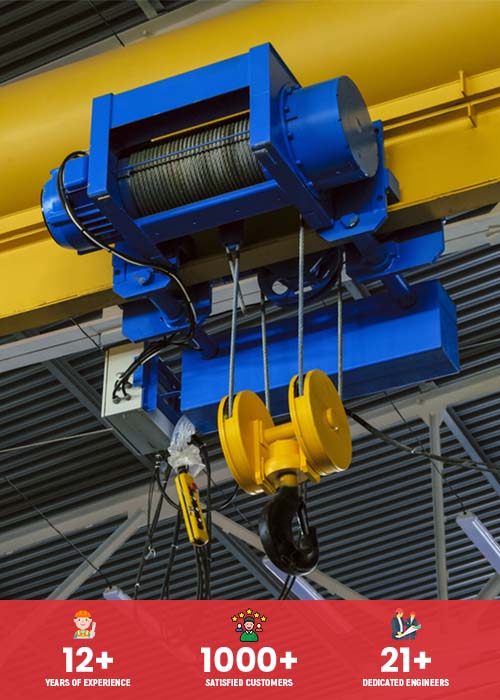
6. What Is the Quality of the Hoist and Components?
The efficiency of the overhead crane is greatly determined by the quality of the parts it is made of.
Asking yourself some questions before taking a decision will help:
- Hoist brand
- Motor efficiency
- Gearbox quality
- Electrical cabinets
- Steel cables
- Bearing and wheels
Quality parts save you from unnecessary downtime and costs in the long run.
7. Does the Supplier Provide Installation and After-Sales Support?
Purchasing a crane is just the first step. Installation and maintenance are equally important.
Look for a supplier who will offer:
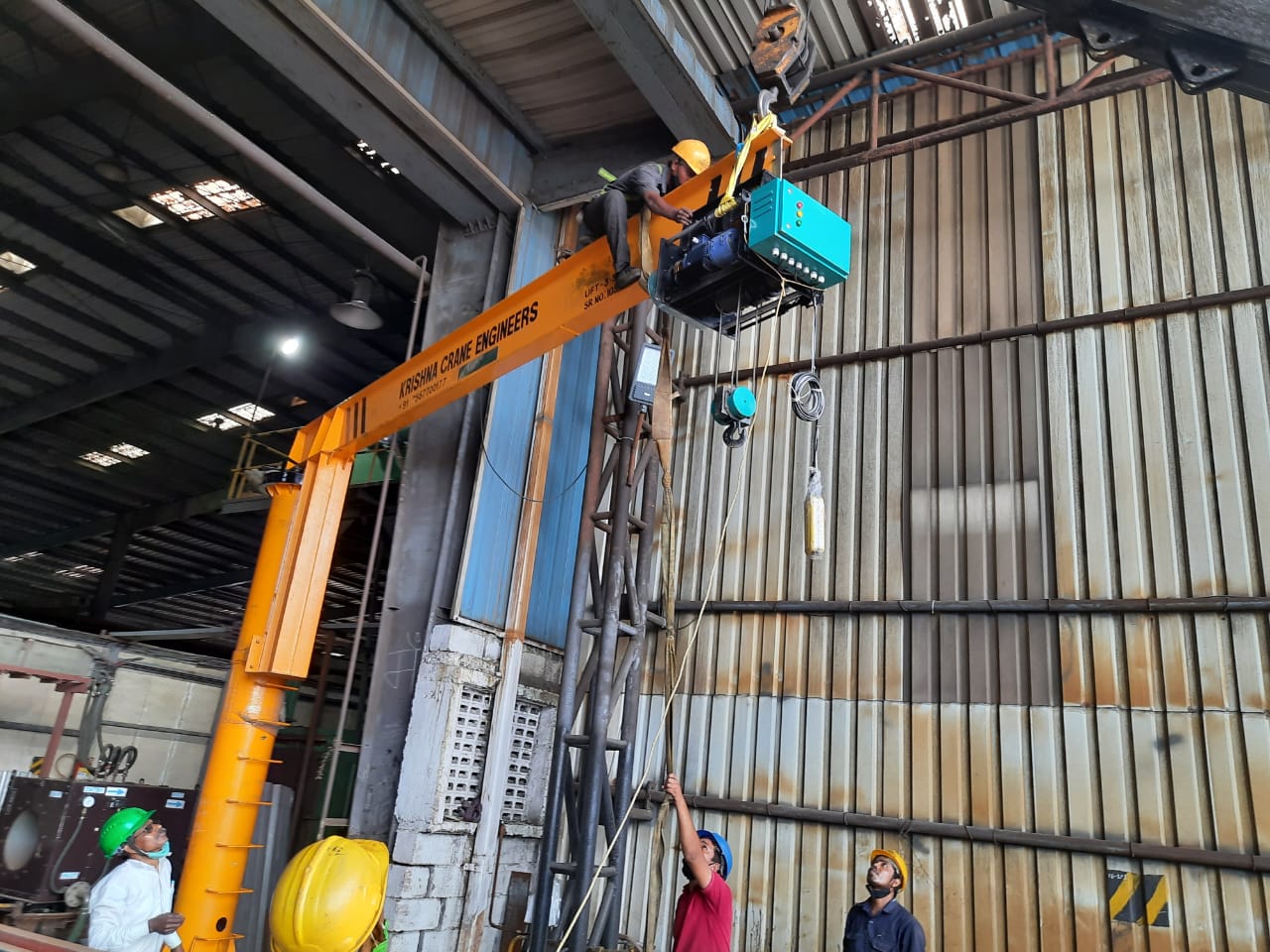
- Professional installation
- Operator training
- Maintenance
- Emergency repairs
- Availability of spare parts
- Annual maintenance agreement
The correct manufacturer will serve you well for years to come without any production stoppages.
8. Is the Crane Energy Efficient?
A crane that is energy-efficient helps in cutting down the cost of operation.
Features to look out for include:
- Variable Frequency Drive (VFD)
- Energy-saving motors
- Regenerative braking system
- Smart power management
Apart from reducing the use of electricity, these are sustainable methods of running industries.
9. Does the Crane Meet Industry Standards?
The quality and safety standards of industrial hoisting equipment are to be maintained.
Verify that the crane conforms to:
- IS standards
- ISO certificates
- The factory’s safety rules
- Load Testing Guidelines.
Equipment certified for use provide higher level of reliability and compliance with safety standards of the workplace.
10. What Is the Total Cost of Ownership?
The cost of acquisition is not the only aspect that many buyers consider, as the other costs associated with crane use should not be ignored.
Let us think:
- Installation Price
- Maintenance expense
- Fuel consumption
- Availability of spare parts
- Costs of repair
- The life span of the equipment
Sometimes a bigger expense for a better crane pays off in lower maintenance and more efficiency.
Bonus Tip: Think About Future Expansion
There are many industries that grow fast, and your lifting needs can also change. It is important to select the crane that will be able to cope with increased production capacity or automation to avoid the costs of upgrading at a later date.
Enterprises that spend on scalable material handling options are better equipped to change their operational requirements.
Conclusion
An overhead crane is a big investment in your business; hence, productivity, safety, and profit are all at stake. It is important to ask the right questions prior to the purchase in order to ensure that you choose the equipment that suits your specific needs instead of just going for the cheapest one.
Whether it is the lifting capacity of the crane, its safety features, energy efficiency, after-sales services, or many more things matters in the overall performance of the equipment. It is possible for businesses to make the right decision by consulting overhead crane professionals.