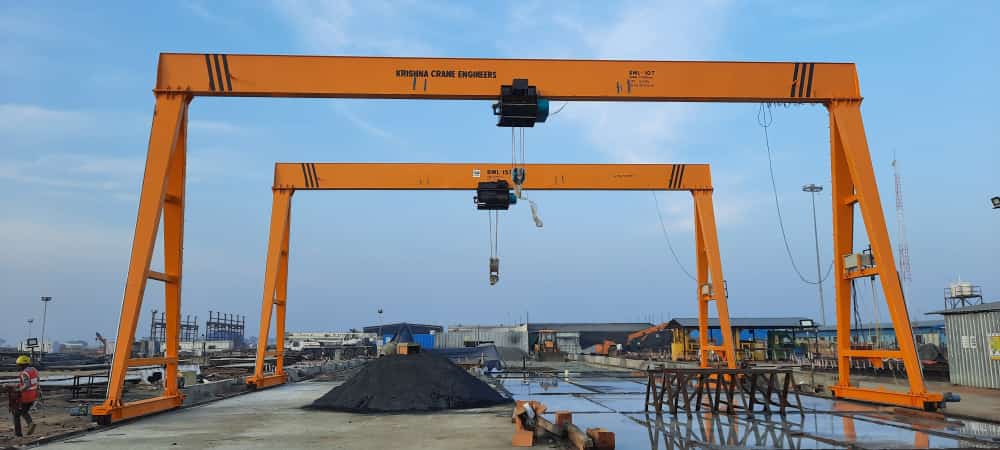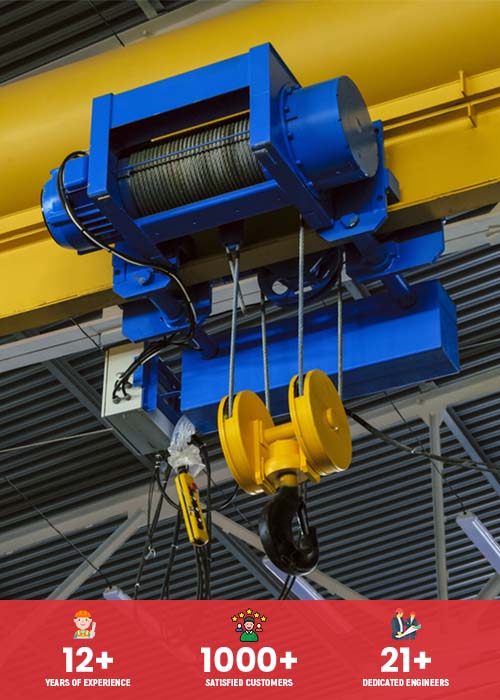

Avoiding Costly Errors While Purchasing Industrial Hoists and Cranes
Most companies do not buy cranes very often. It is not like ordering regular equipment. When the time comes, there is usually pressure to decide fast because production cannot wait. That is where small mistakes begin. People compare capacity, check price, maybe even speak to hoist manufacturers in Ahmedabad, and assume that is enough. But cranes affect daily work, safety, and long term costs. If something goes wrong, it shows up slowly through breakdowns or delays. That is why the buying stage matters more than it seems. A little extra thinking now can prevent bigger problems later.
Guessing the Load Instead of Calculating It
One of the most common issues starts with load estimation. Companies often calculate average load but forget peak load. That difference matters. A crane lifting slightly more than its safe limit every day will not fail immediately, but stress builds over time. On the other hand, some companies choose very high capacity equipment just to “be safe.” That sounds smart, but it increases cost and energy use without real need. The better approach is simple: measure actual maximum load, lifting frequency, and working conditions.
Thinking Price Is the Main Factor
Budget always matters. No company ignores cost. But choosing the lowest quotation without checking build quality can backfire. Some cranes look similar in catalog pictures. In daily operation, the difference becomes obvious. Cheap components wear out faster. Service support may be slow. Spare parts might not be easily available. Then production stops, and downtime costs more than the initial savings. It is wiser to compare warranty, service network, and long term durability. A crane is not like buying office furniture. It handles heavy loads every day.
Not Studying the Work Environment
Every factory has its own conditions. Some have high temperatures. Some deal with dust or moisture. Some have limited ceiling height. Yet many buyers do not study their own site carefully before choosing equipment. A crane that works perfectly in one location may struggle in another. Ignoring some of the important factors during purchase leads to modification costs later. It is always better to evaluate the work area properly before finalizing the order. The environment matters more than people assume.
Skipping Technical Advice
Cranes are mechanical systems with specific requirements. Span length, duty cycle, motor power, and control type are not small details. Some companies rely only on internal discussions and skip professional consultation. That is risky. Industry experts often mention that underestimating or overestimating the load is one of the biggest buying mistakes. Technical guidance helps prevent that. Engineers can review drawings and suggest correct specifications. Taking advice does not weaken authority. It strengthens decision making. When technical review is part of the buying process, long term performance improves.
Ignoring Safety Systems
Safety is sometimes treated like an optional upgrade. That mindset is dangerous. Modern cranes include overload protection, limit switches, and emergency stop functions for a reason. Workplace accidents bring serious consequences, both human and financial. Equipment damage, legal issues, and loss of trust can follow. Strong safety features protect workers and also protect the investment itself. It is not an area where savings should be prioritized. Reliable safety mechanisms create confidence across the workplace.
Choosing the Wrong Vendor
Selecting a crane is one decision while selecting the supplier is another. Some buyers finalize deals without checking past projects or customer feedback. A good vendor provides clear documentation, installation support, and after sales service. A weak vendor may disappear after delivery. That creates trouble when maintenance or spare parts are needed. Experience, transparency, and communication style all matter. A long term partnership with a dependable vendor makes future upgrades and servicing smoother.
Forgetting Maintenance Planning
Maintenance is rarely exciting, but it is essential. Some companies focus only on installation and forget to discuss servicing requirements. Every crane needs inspection, lubrication, and periodic part replacement. If spare parts are hard to find, downtime increases. Before purchase, companies should ask about service schedules and part availability. Preventive maintenance reduces breakdowns. It also extends equipment life. Ignoring maintenance planning is like buying a vehicle without thinking about servicing. It may run well at first, but problems build quietly over time.
Conclusion
In the end, buying a hoist or crane is not about placing an order and moving on. It is about understanding how that machine will fit into daily work. Small oversights, like weak planning or skipping training, slowly turn into bigger problems. Companies that pause, ask questions, and review details usually face fewer surprises later. A crane should make work smoother, not more complicated. When decisions are made carefully, the equipment becomes a steady support for operations. That balance between planning and practicality is what truly protects both investment and safety over time.