
Complete Guide to Industrial Goods Lifts: Types, Uses & Benefits
In today’s fast-paced industrial environment, efficient material handling is essential for maintaining productivity and workplace safety. Whether it’s a manufacturing unit, warehouse, retail store, or logistics centre, moving heavy goods manually can be time-consuming and risky. This is where industrial goods lifts provide a practical and cost-effective solution.
Designed to transport heavy materials between different floors, goods lifts improve operational efficiency while reducing labour costs and the risk of workplace injuries. In this guide, we’ll explore the different types of industrial goods lifts, their applications, and the benefits they offer to modern businesses.
What Is an Industrial Goods Lift?
An industrial goods lift is a vertical lifting system designed specifically for transporting materials, machinery, cartons, pallets, and other heavy loads between multiple levels of a building. Unlike passenger elevators, these lifts are engineered to handle substantial weight capacities and withstand continuous industrial use.
They are widely used in factories, warehouses, shopping centres, pharmaceutical plants, food processing units, and commercial buildings.
Types of Industrial Goods Lifts
Selecting the right goods lift depends on the type of industry, load capacity, and available installation space. Here are the most common types.
1. Hydraulic Goods Lift
Hydraulic goods lifts operate using hydraulic cylinders and fluid pressure to lift heavy loads smoothly.
Best suited for:
- Warehouses
- Manufacturing plants
- Automobile workshops
- Industrial facilities
Benefits
- High load capacity
- Smooth operation
- Low maintenance
- Cost-effective installation
2. Electric Goods Lift
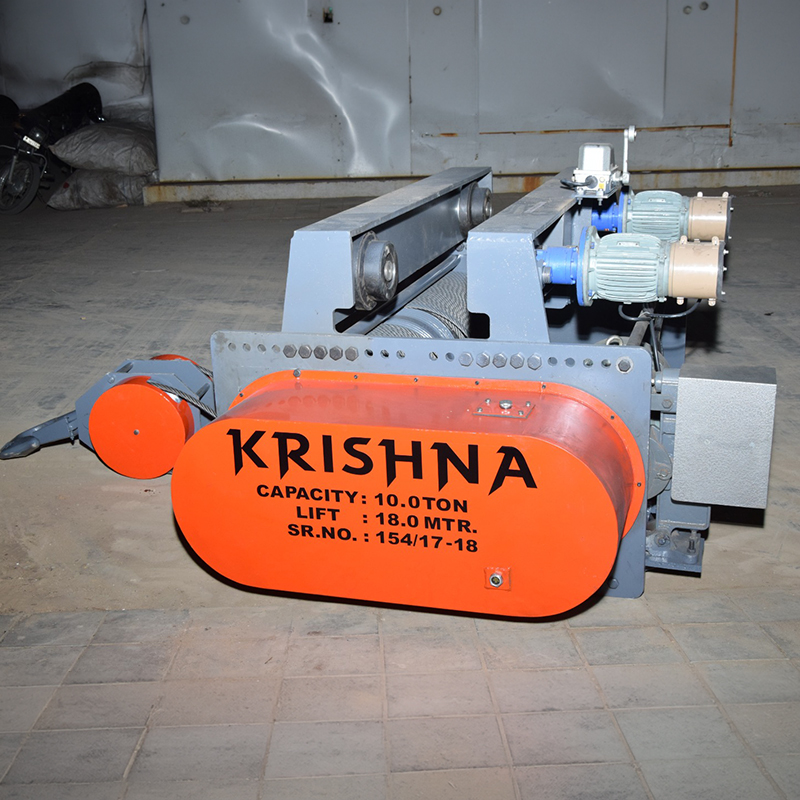
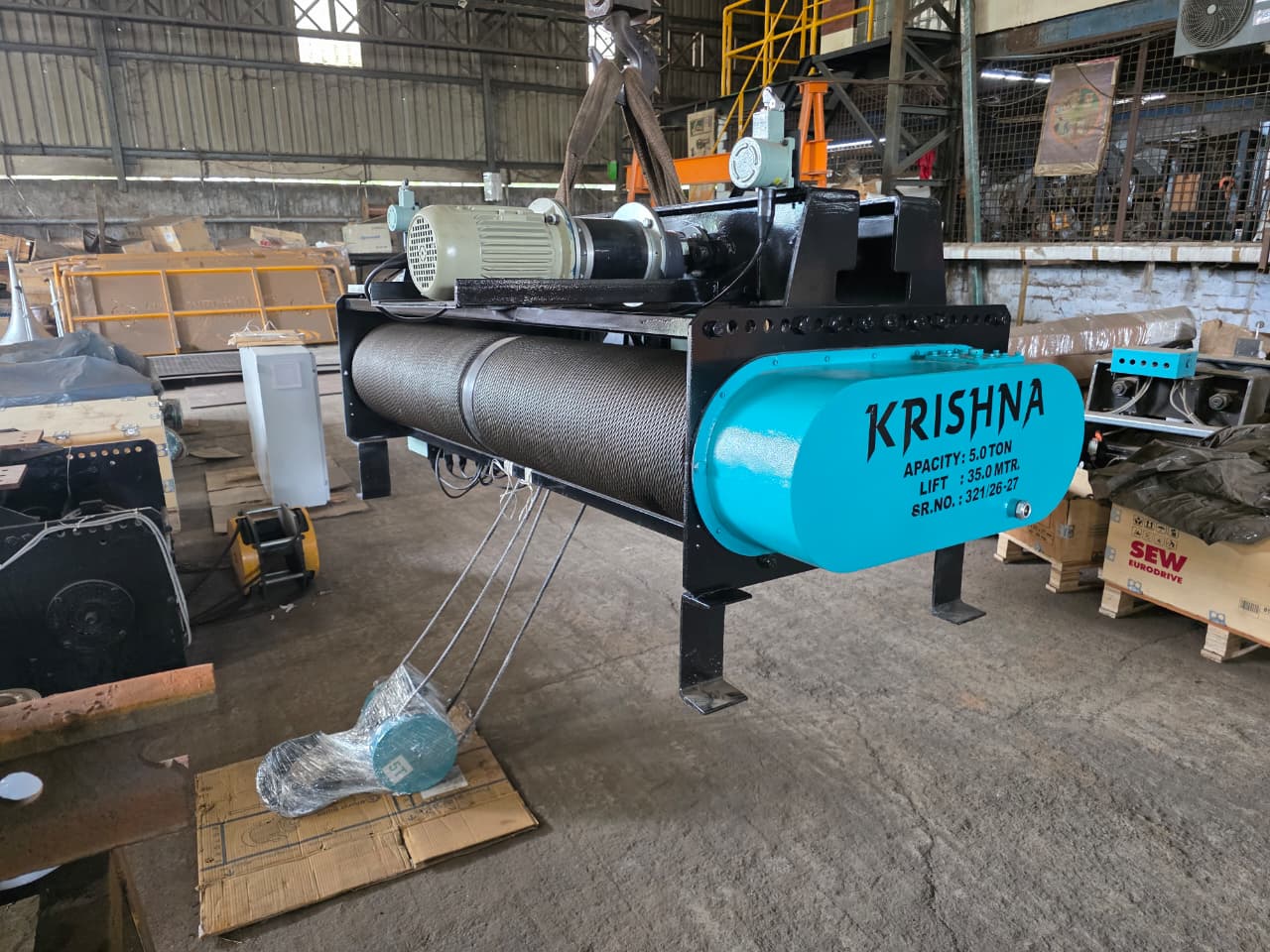
Electric goods lifts use motors and wire rope mechanisms to transport materials quickly and efficiently.
Best suited for:
- Commercial buildings
- Distribution centres
- Retail warehouses
- Multi-storey factories
Benefits
- Faster lifting speed
- Energy-efficient operation
- Suitable for frequent usage
- Reliable performance
3. Cage Goods Lift
These lifts feature enclosed platforms that provide additional protection for materials during transportation.
Common applications
- Textile industries
- Pharmaceutical companies
- Food processing plants
- Logistics warehouses
Benefits
- Enhanced safety
- Secure material transportation
- Reduced risk of product damage
4. Scissor Goods Lift
Scissor lifts use a folding support mechanism to lift loads vertically.
Ideal for
- Loading docks
- Assembly lines
- Vehicle maintenance facilities
- Packaging industries
Benefits
- Stable lifting platform
- Compact design
- Easy installation
Industries That Use Goods Lifts
Industrial goods lifts have become an essential part of material handling systems across various sectors.
Manufacturing Industry
Factories use goods lifts to transport raw materials, machine components, and finished products between production floors, ensuring uninterrupted workflow.
Warehousing and Logistics
Distribution centres rely on goods lifts to move inventory efficiently while maximising storage space and reducing manual handling.
Pharmaceutical Industry
Pharmaceutical companies use goods lifts to transport equipment, packaging materials, and products while maintaining organised production environments.
Textile Industry
Textile manufacturers use lifting systems to move fabric rolls, machinery parts, and finished garments safely across multiple levels.
Automobile Industry
Vehicle workshops and automobile manufacturing units depend on heavy-duty lifts for transporting engines, spare parts, and industrial equipment.
Key Benefits of Installing an Industrial Goods Lift
Improved Productivity
Goods lifts eliminate the need for manual transportation, allowing employees to focus on core operational tasks and increasing overall efficiency.
Enhanced Workplace Safety
Handling heavy materials manually increases the risk of accidents and injuries. Goods lifts minimise lifting-related hazards and create a safer working environment.
Better Space Utilisation
Vertical transportation systems make it easier to use multi-storey facilities effectively, reducing the need for large ground-level storage areas.
Cost Savings
Although installing a goods lift requires an initial investment, businesses benefit from lower labour costs, faster operations, and reduced product damage over time.
High Load Capacity
Industrial goods lifts are designed to handle loads ranging from a few hundred kilograms to several tonnes, making them suitable for demanding industrial applications.
Low Maintenance
Modern lifting systems are built with durable components and advanced technology, ensuring reliable performance with minimal maintenance requirements.
Factors to Consider Before Choosing a Goods Lift
Before investing in a lifting solution, businesses should evaluate several important factors:
- Required load capacity
- Platform size
- Lifting height
- Frequency of operation
- Available installation space
- Safety features
- Power consumption
- Future expansion requirements
Choosing the right lift improves operational efficiency while reducing long-term maintenance costs.
Why Quality Matters
Investing in a high-quality lifting system ensures smooth operation, durability, and compliance with industrial safety standards. Working with an experienced goods lift manufacturer allows businesses to receive customised solutions designed specifically for their operational requirements.
For companies located in Gujarat and nearby industrial regions, partnering with trusted goods lift manufacturers in Ahmedabad provides the advantage of faster installation, local technical support, and reliable after-sales service.
Conclusion
Industrial goods lifts have become an indispensable asset for businesses looking to improve material handling efficiency, workplace safety, and overall productivity. From manufacturing plants and warehouses to pharmaceutical facilities and retail distribution centres, these lifting systems streamline operations while reducing manual effort and operational costs.
By understanding the different types, applications, and benefits of goods lifts, businesses can make informed investment decisions that support long-term growth and operational excellence. Choosing a reliable lifting solution not only enhances daily operations but also creates a safer and more efficient workplace for years to come.