
Crane Technology Trends You Need to Know for 2026
Cranes have always been about strength, but the conversation around them is slowly changing. Today, buyers and operators talk less about raw lifting numbers and more about reliability, control, and long term usage. Anyone who has worked closely with an EOT crane company knows that expectations from clients and regulators are increasing every year. By 2026, crane technology will not feel revolutionary at first glance, yet the way cranes function, communicate, and support daily operations will be noticeably different.
Technology Is Becoming Practical, Not Flashy
Earlier discussions around crane upgrades often sounded futuristic and distant. Now, the focus has shifted to practical improvements that solve everyday problems. Cranes are being designed to give operators better feedback during lifts. Information like load behavior, movement consistency, and motor stress is available in real time. This does not mean operators stare at screens all day. Instead, the system quietly supports decision making in the background. These improvements are shaping what many in the industry already describe as crane technology trends 2026 because they improve consistency rather than just adding features.
Operators Are Still Central to Crane Operations
There is a common fear that automation will reduce the role of skilled operators. In reality, the opposite is happening. Technology is being built to support operator judgment, not replace it. This matters especially in facilities where cranes run for hours without interruption. When operators feel supported rather than rushed, error rates drop naturally. The machine becomes easier to trust, and trust plays a big role in safe lifting.
Safety Is Being Designed Into the System
Safety has always been part of crane work, but the way it is enforced is changing. Earlier, most responsibility rested on rules, checklists, and operator training. Newer cranes are beginning to react on their own when something moves outside safe limits. If a load behaves unpredictably or resistance increases suddenly, the system can slow or restrict movement.
Energy Use Is Now a Business Consideration
Energy efficiency used to be discussed mainly for large machines like furnaces or turbines. Cranes are now part of that discussion. Motors that waste power during braking or idle periods are being replaced with systems that recover and reuse energy. Over months and years, these savings become visible in operational costs. Companies that operate multiple cranes notice the difference first. Energy efficient systems also reduce heat generation, which indirectly improves component life and reliability.
Structural Design Is Quietly Improving
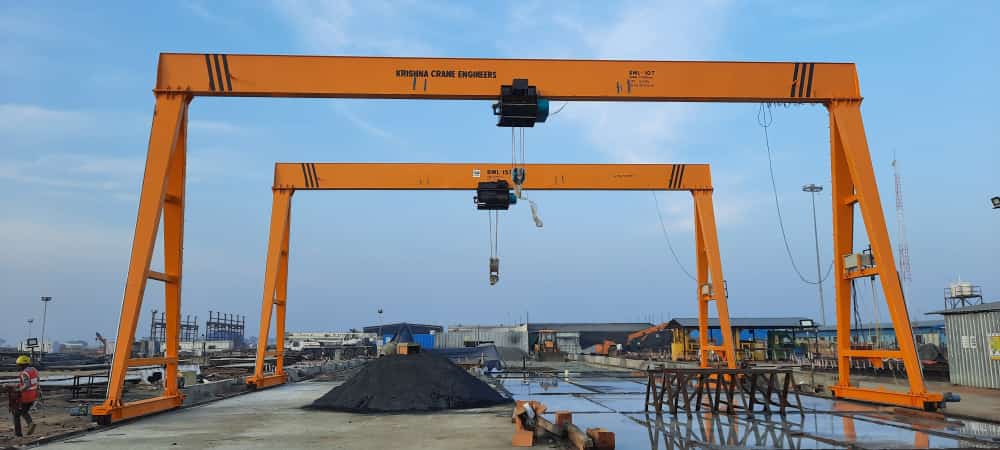
From the outside, many new cranes look similar to older ones. The changes are often internal. Better steel quality, improved fabrication techniques, and refined joint design allow cranes to handle stress more evenly. This reduces vibration and improves movement control. It also lowers stress on buildings and support structures. These improvements are not always highlighted in brochures, but they strongly influence long term performance and maintenance needs.
Remote Operation Is Gaining Acceptance
Remote crane operation is no longer seen as something meant only for extreme sites. Some facilities use it simply to reduce exposure to heat, dust, or constant noise. Training methods are evolving alongside this change. Simulated environments allow practice of uncommon or difficult lifts without real world consequences. These shifts point toward future crane innovations that consider human working conditions as carefully as machine performance. These developments reflect future crane innovations focused on people as much as machines.
Customization Is Becoming the Norm
Standard crane models still exist, but buyers increasingly ask for adjustments. Span length, control layout, lifting speed, and integration with existing systems are all discussed early in the buying process. Customization reduces friction during daily operations. When a crane matches how work actually happens, productivity improves naturally. Operators do not need to adapt constantly, and supervisors spend less time correcting workflow issues.
Maintenance Is Becoming More Realistic
Maintenance planning is moving away from fixed schedules alone. Usage based servicing allows companies to act based on actual wear rather than assumptions. Components are serviced when needed, not just because a date arrives. Over time, this approach improves budgeting accuracy and extends equipment life without increasing maintenance effort.
Conclusion
By the time 2026 settles in, cranes will not feel radically new, but they will feel easier to live with. Movements will be steadier, responses more predictable, and problems easier to spot early. That matters more on real sites than flashy features. Most progress here is quiet and practical, shaped by daily use rather than big announcements. Companies that observe how their equipment behaves over months usually avoid rushed decisions later. The focus is slowly moving toward reducing uncertainty instead of adding capability. Even choices around crane accessories are now tied to smoother operation, safer handling, and fewer interruptions during routine work.