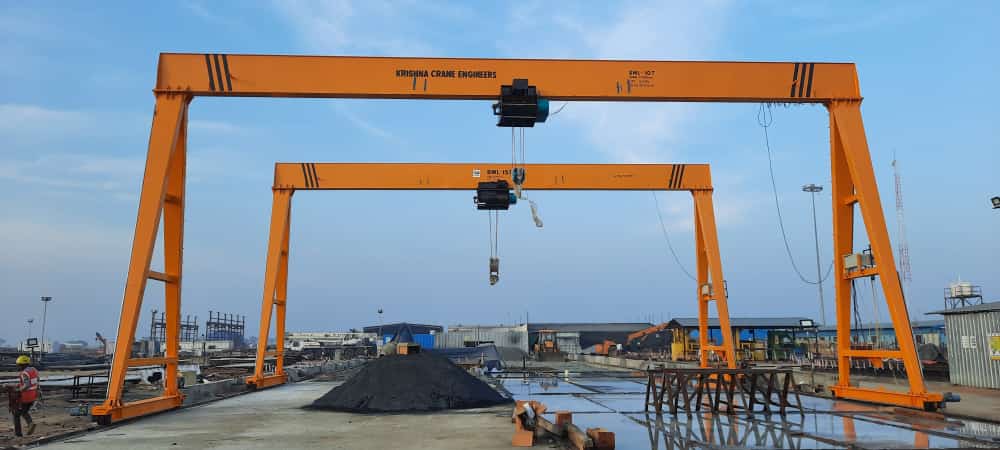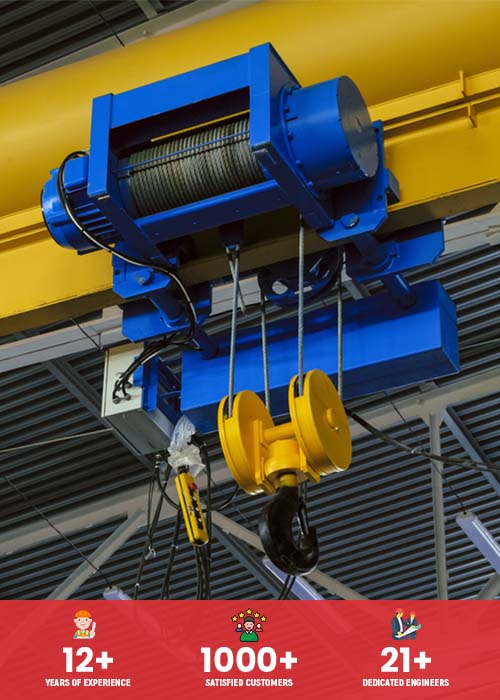

Why Sourcing from a Direct Crane Manufacturer in Ahmedabad Optimizes Supply Chain Logistics in 2026
Efficient material handling forms an important part of the supply chain management of Indian manufacturing and industrial enterprises. Whether it involves materials in factories or finished products in warehouses, cranes are vital in ensuring that there is efficiency in such operations.
In 2026, industries are looking at other parameters apart from the cost price in selecting industrial lifting equipment. The period taken to deliver the equipment, customize it, install it, ensure spare parts availability, provide after-sales service, and deal with the supplier can affect the whole process efficiency.
Sourcing directly from the crane manufacturing company would be easier because there will be no need for intermediaries and there will be a connection between the buyer and engineers.
What Is Direct Crane Sourcing?
Direct sourcing is where the purchase of equipment is made directly from the factory without going through any intermediary such as brokers, distributors, and dealers.
In contrast, under the direct sourcing approach, all the important functions like design, manufacturing, inspection, installation, and maintenance are done by the manufacturer.
For the industrial buyers, this simplifies the process of communication and improves visibility in the procurement process.
1. Faster Communication Between Buyer and Manufacturer
Technical specifications for industrial cranes are often beyond the reach of communication in a normal product brochure.
Factors such as load capacity, span, height of lift, duty cycle, working conditions, runway specifications, and control systems might have to be explained by the engineers themselves.
Working directly with a crane manufacturer in Ahmedabad allows businesses to give their requirements to the people involved in the design and manufacture of such machinery.
It can be useful for preventing any misunderstandings that may occur during communication between various parties involved.
2. Better Scope for Crane Customisation
Every manufacturing plant will need to meet certain requirements related to material handling. These may include such factors as floor space, manufacturing design, lifting characteristics, frequency of lifts, and workflow arrangement.
Direct manufacturers can typically assess these requirements and develop a suitable configuration.
Customisation may include:
- Lifting capacity
- Span and runway length
- Lifting height
- Hoisting and travelling speed
- Control systems
- Structural configuration
- Safety systems
- Special lifting attachments
A crane designed around the facility’s requirements can integrate more effectively into the existing production and logistics workflow.
3. Improved Procurement Visibility
Efficiency in the supply chain is also influenced by knowing when equipment will become available.
In case of direct sourcing, buyers will be able to have better communication with the manufacturer in respect of design clearance, manufacturing process, inspections, shipping, installation, and commissioning.
Visibility of these activities may also help the procurement department in coordinating other project activities such as civil works, electrical preparations, plant layout changes, and installations.
4. Fewer Intermediaries in the Procurement Process
The presence of multiple intermediaries can provide more points of communication and coordination.
There would be a direct link between the buyer and the manufacturer, which would make the supply process much easier. Technical negotiations, business negotiations, documents, and service needs could be directly handled.
This would be very helpful in cases where large-scale industrial projects require coordination among different departments such as purchasing, engineering, maintenance, safety, and manufacturing departments.
5. Better Understanding of Total Project Cost
The purchase price is only one part of crane procurement.
Industrial buyers should also consider:
- Transportation
- Installation
- Electrical work
- Commissioning
- Operator training
- Maintenance
- Spare parts
- Inspections
- Future repairs
Direct interaction with the manufacturer will aid in the understanding of the services offered through the quotation and those that are billed separately.
This will help the procurement team in preparing an accurate budget for the project.
6. Easier Access to Genuine Spare Parts
The crane has several important parts that might eventually need replacement because of wear and tear and other operating conditions.
If the company that manufactures the cranes is directly involved, buyers have a definite channel through which they can get compatible spare parts.
These components can consist of motors, gearboxes, brakes, bearings, ropes, electric components, limit switches, and control systems.
Proper access to the right replacement components can be helpful for minimizing any delays in maintenance.
7. Stronger After-Sales Coordination
After installation, however, the industrial crane requires regular inspections, preventive maintenance, and troubleshooting as well.
It will definitely help the customer to have a direct link with the manufacturer whenever problems arise. Rather than having to explain the difficulty through various channels, the customer can talk directly to the suppliers’ technical personnel.
This might help streamline the process of identifying and solving any problems with the equipment.
8. Better Support for Expansion Projects
Manufacturing firms have been known to increase their capacity, install more machines, and remodel their warehouses.
Upcoming requirements may involve installing more cranes, extending runways, upgrading lifting capacities, and changing material handling systems.
If the original manufacturer is aware of the crane arrangement and the needs of the facility, the discussion on upgrades will be much simpler.
Maintaining a direct supplier relationship may therefore prove valuable beyond the transaction itself.
9. Easier Quality and Documentation Verification
Technical documentation is usually needed in the industrial purchasing department for approval, audit, safety, and maintenance purposes.
Depending on the project, documentation may include:
- Technical drawings
- Load-test certificates
- Inspection reports
- Equipment specifications
- Operation manuals
- Maintenance guidelines
- Warranty documents
Having direct coordination with the manufacturer could make it simpler to determine documentation requirements prior to delivery of the equipment.
10. Supports More Efficient Supply Chain Planning
Cranes are frequently associated with larger industrial operations. Their delivery and installation might have to be coordinated with the building of the factory, installation of the assembly line, storage facilities, or machinery installation.
Direct sourcing facilitates better communication between procurement and engineering departments with the equipment supplier at various stages of the project.
It enables companies to plan logistics and installation processes, manpower needs, and commissioning more effectively.
Direct Manufacturer vs. Multiple Intermediaries
| Factor | Direct Manufacturer | Multiple Intermediaries |
| Technical Communication | Direct | May pass through multiple parties |
| Customisation | Discussed with engineering team | Depends on supplier arrangement |
| Project Visibility | Generally more direct | May involve additional coordination |
| Spare Parts | Direct sourcing route | May depend on distributor |
| After-Sales Support | Direct manufacturer contact | Can involve multiple parties |
| Documentation | Direct coordination | May require additional communication |
| Future Upgrades | Easier to discuss with original supplier | May require additional coordination |
Conclusion
In 2026, transporting goods from one place to another is not the only aspect of an efficient industrial supply chain. Project schedules, maintenance schedules, operational expenses, and production continuity can all be impacted by the equipment procurement procedure itself.
Direct purchasing from a crane manufacturing company will give businesses the opportunity for close technical communication, more flexibility when customizing, better coordination of projects, better availability of spare parts, and after-sales services.
In the case of manufacturing plants, warehouses, engineering firms, and other industrial companies, examining the entire procurement and logistics chain, not only the initial cost of machinery, may assist in creating a better material handling investment.