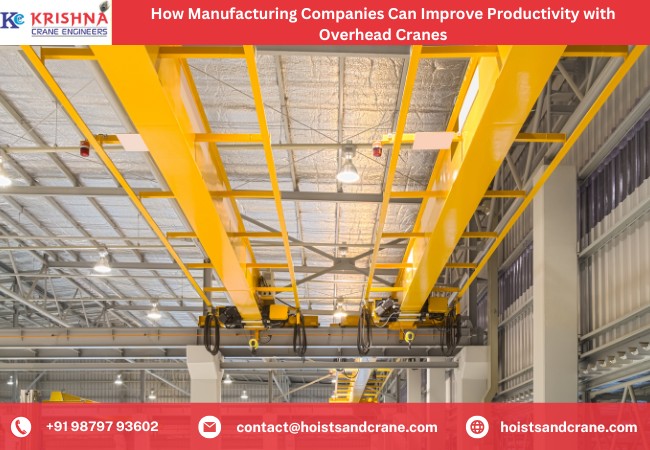
How Manufacturing Companies Can Improve Productivity with Overhead Cranes
In today’s competitive manufacturing landscape, productivity is one of the most important factors determining business success. Companies are constantly looking for ways to reduce downtime, improve operational efficiency, and ensure workplace safety without increasing labour costs. One of the most effective solutions is the implementation of overhead cranes.
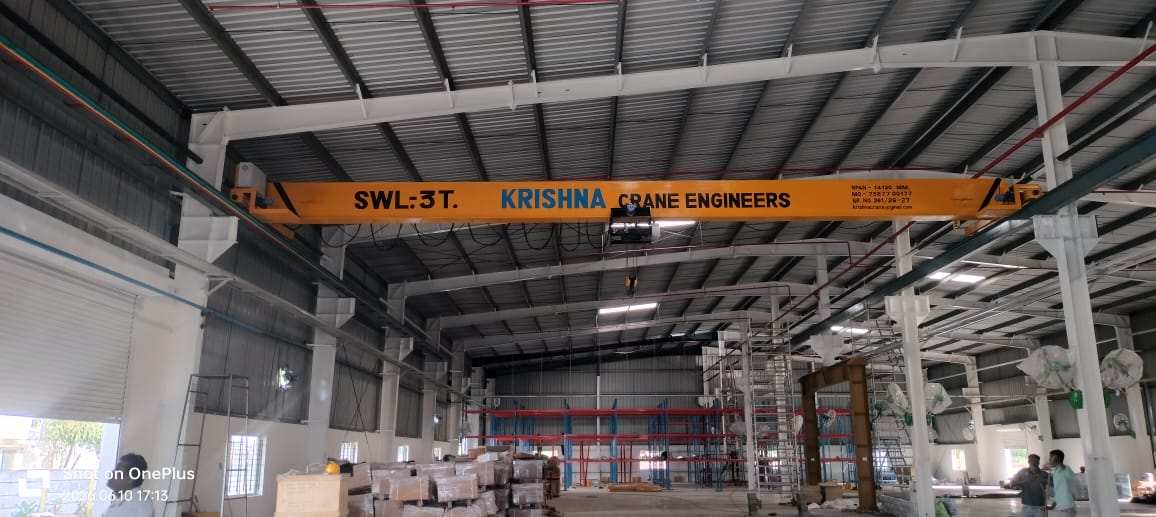
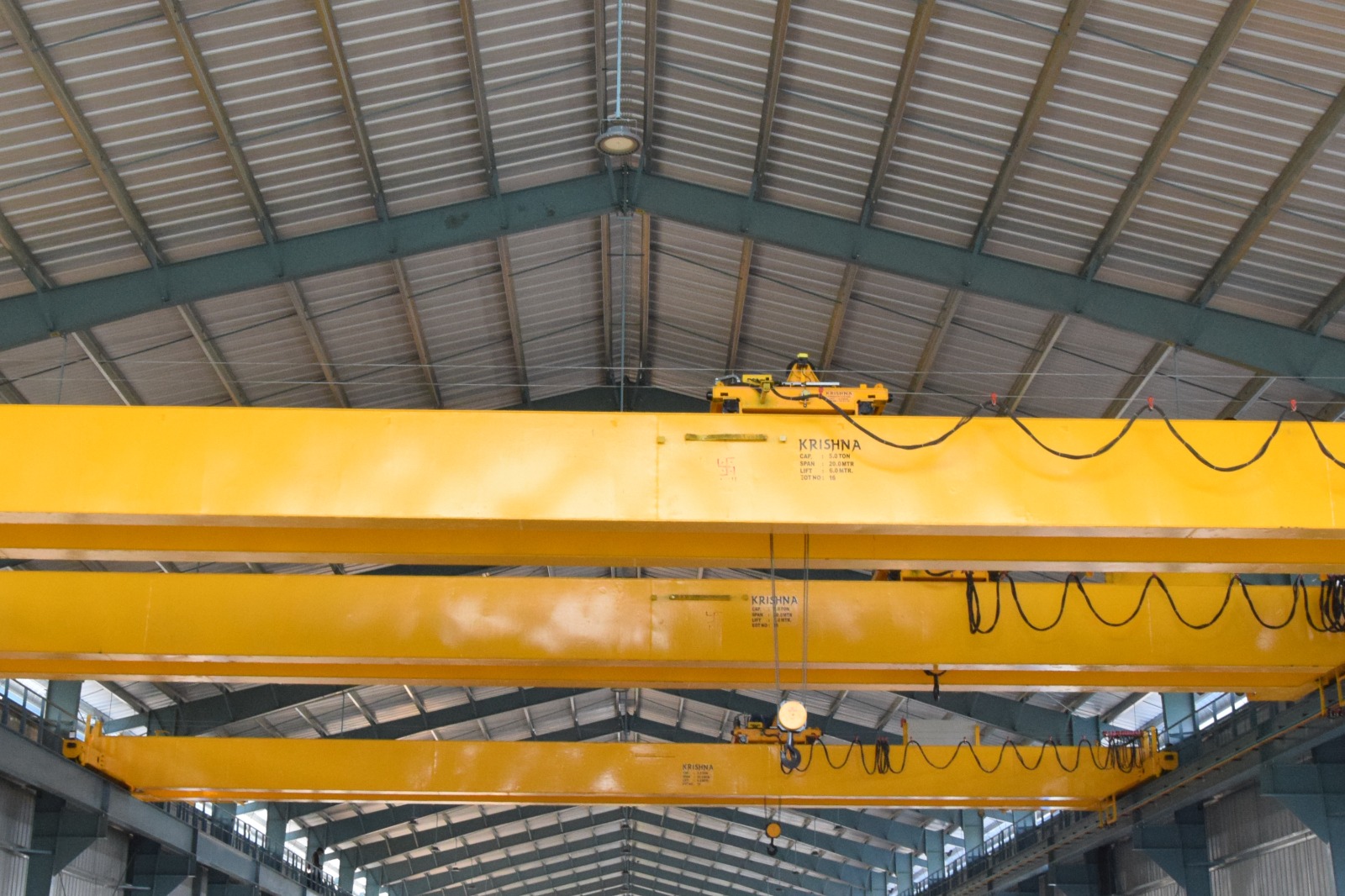
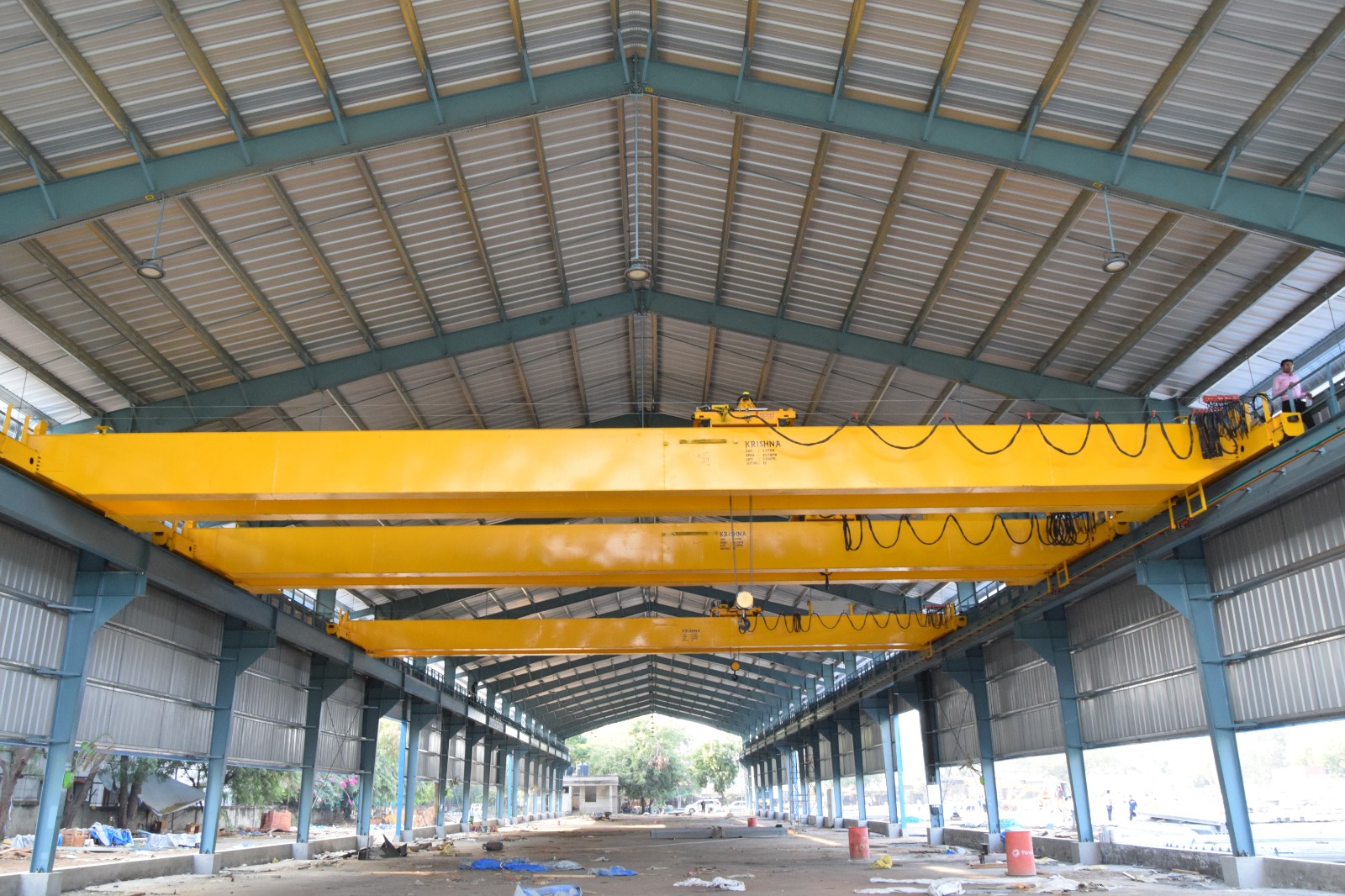
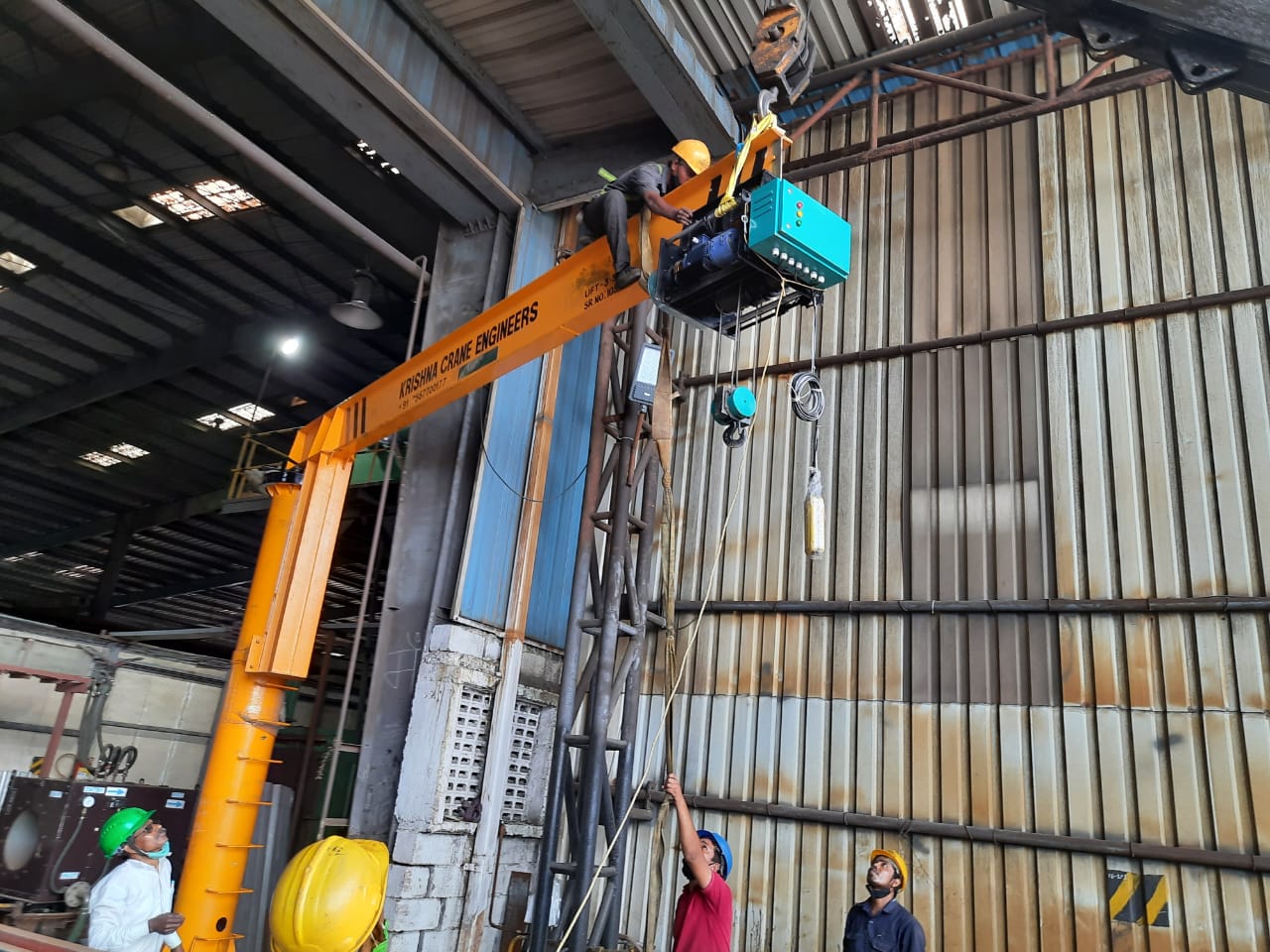
From moving heavy raw materials to handling finished products, overhead cranes streamline production processes and optimise material handling across manufacturing facilities. Whether it’s an automotive plant, steel factory, warehouse, or engineering unit, investing in advanced lifting systems can significantly improve productivity and overall business performance.
The Role of Overhead Cranes in Modern Manufacturing
Manufacturing involves the continuous movement of heavy materials, machinery, tools, and components. Manual handling or conventional transport methods often lead to delays, higher labour costs, and increased safety risks.
Overhead cranes eliminate these challenges by providing a fast, reliable, and efficient way to move loads across production areas without occupying valuable floor space.
1. Faster Material Handling
One of the biggest productivity advantages of overhead cranes is their ability to transport heavy loads quickly and accurately.
Instead of relying on forklifts or manual labour, operators can move raw materials, equipment, and finished products directly to the required location within minutes.
Benefits include:
- Reduced transportation time
- Faster production cycles
- Improved workflow efficiency
- Better coordination between departments
This allows manufacturing units to increase output without expanding their workforce.
2. Minimise Production Downtime
Every minute of downtime impacts production targets and profitability. Delays caused by inefficient material movement can slow down assembly lines and create bottlenecks.
Overhead cranes enable continuous operations by ensuring that:
- Raw materials reach production lines on time
- Heavy machinery can be serviced quickly
- Finished products are transported efficiently
- Maintenance activities are completed with minimal disruption
As a result, businesses experience higher equipment availability and smoother operations.
3. Improve Workplace Safety
Manual lifting of heavy materials increases the risk of workplace injuries and accidents. A safer working environment not only protects employees but also reduces lost working hours and compensation costs.
Modern overhead lifting systems include advanced safety features such as:
- Overload protection
- Emergency stop functions
- Limit switches
- Anti-sway technology
- Precision load control
These features create a safer and more controlled material handling process.
4. Maximise Factory Floor Space
Unlike forklifts and other ground-based equipment, overhead cranes operate above the production floor.
This offers several advantages:
- More space for machinery
- Better movement of workers
- Improved storage capacity
- Organised production layouts
Efficient use of vertical space helps manufacturers optimise facility design while maintaining smooth operations.
5. Handle Heavy Loads with Precision
Manufacturing industries often deal with large machinery parts, steel structures, moulds, and industrial components that require precise positioning.
Overhead cranes provide controlled lifting and movement, reducing the chances of:
- Product damage
- Equipment collisions
- Material wastage
- Costly handling errors
Accurate load positioning improves both product quality and operational efficiency.
6. Reduce Labour Costs
Transporting heavy materials manually requires multiple workers and significant physical effort. Overhead cranes automate much of this process, allowing businesses to complete the same tasks with fewer resources.
Key cost-saving benefits include:
- Lower manpower requirements
- Reduced overtime expenses
- Faster loading and unloading
- Increased employee productivity
Employees can focus on value-added production activities instead of repetitive material handling tasks.
7. Support Lean Manufacturing Practices
Lean manufacturing focuses on eliminating waste and improving operational efficiency. Overhead cranes contribute directly to these objectives by reducing unnecessary movement and delays.
They help businesses achieve:
- Faster production flow
- Reduced idle time
- Better inventory management
- Improved resource utilisation
This results in a more streamlined and cost-effective manufacturing process.
8. Increase Equipment Lifespan
Frequent manual handling and improper lifting methods can damage expensive machinery and production equipment.
Overhead cranes provide smooth and controlled lifting operations that minimise impact and wear, helping businesses:
- Protect valuable assets
- Reduce repair costs
- Extend equipment life
- Lower maintenance expenses
Reliable handling systems contribute to long-term operational stability.
9. Adapt to Multiple Industrial Applications
One of the biggest advantages of overhead cranes is their versatility. They can be customised to suit different industries and production requirements.
They are widely used in:
- Steel manufacturing
- Automobile production
- Engineering workshops
- Warehousing and logistics
- Textile industries
- Pharmaceutical manufacturing
- Cement plants
- Heavy fabrication units
Their flexibility makes them a valuable investment for businesses of all sizes.
10. Prepare for Smart Manufacturing
As Industry 4.0 continues to transform manufacturing, modern overhead cranes are becoming smarter and more efficient.
Advanced systems now include:
- IoT-enabled monitoring
- Remote diagnostics
- Predictive maintenance
- Energy-efficient drives
- Automated controls
- Real-time performance tracking
These innovations help manufacturers improve productivity while reducing operational costs and unexpected downtime.
Tips for Choosing the Right Overhead Crane
To maximise productivity, manufacturers should consider:
- Load capacity requirements
- Span and lifting height
- Duty cycle
- Safety features
- Energy efficiency
- Maintenance support
- Future production expansion
Selecting the right lifting solution ensures long-term reliability and better return on investment.
Conclusion
Overhead cranes have become an essential component of modern manufacturing facilities, offering a practical solution for improving productivity, safety, and operational efficiency. By reducing manual handling, minimising downtime, optimising floor space, and supporting continuous production, these lifting systems help businesses achieve higher output with lower operational costs.
Overhead crane manufacturers in India continue to embrace automation and smart technologies, investing in advanced overhead crane systems is no longer just an option—it’s a strategic decision that enables companies to stay competitive, improve profitability, and support sustainable industrial growth.