
How to Choose Between Single Girder and Double Girder EOT Cranes for Your Factory
Choosing an EOT crane is a big call. It affects how fast your team works, how safe the shop floor feels, and how much you spend on running costs.
Most factory owners get stuck between a single girder EOT crane and a double girder EOT crane. Both lift and move loads, but they suit very different jobs. Here is how to match the crane to your load, height, working hours, and budget.
What Is the Difference Between Single and Double Girder EOT Cranes?
The major difference is the number of girders that support the crane.
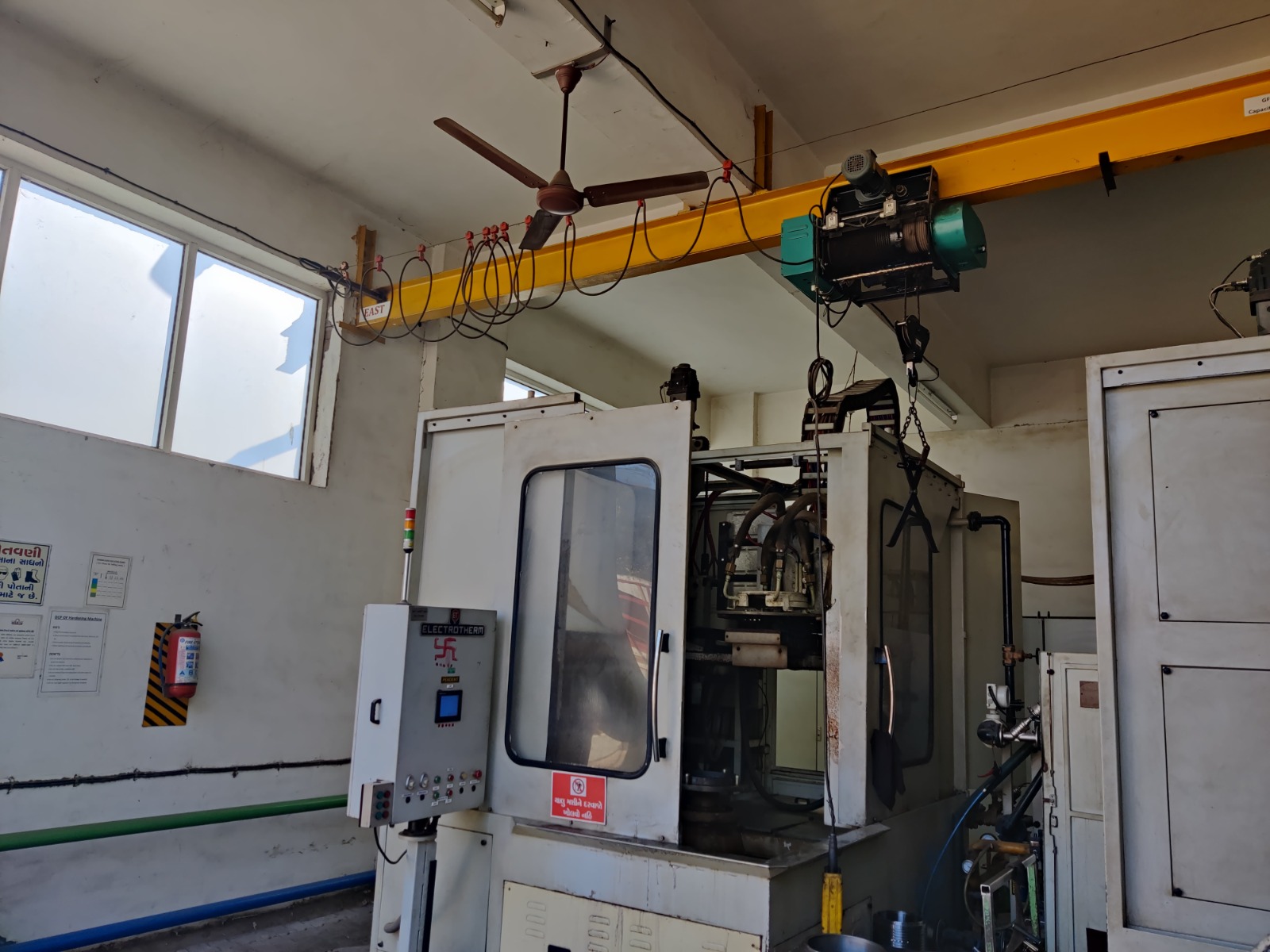
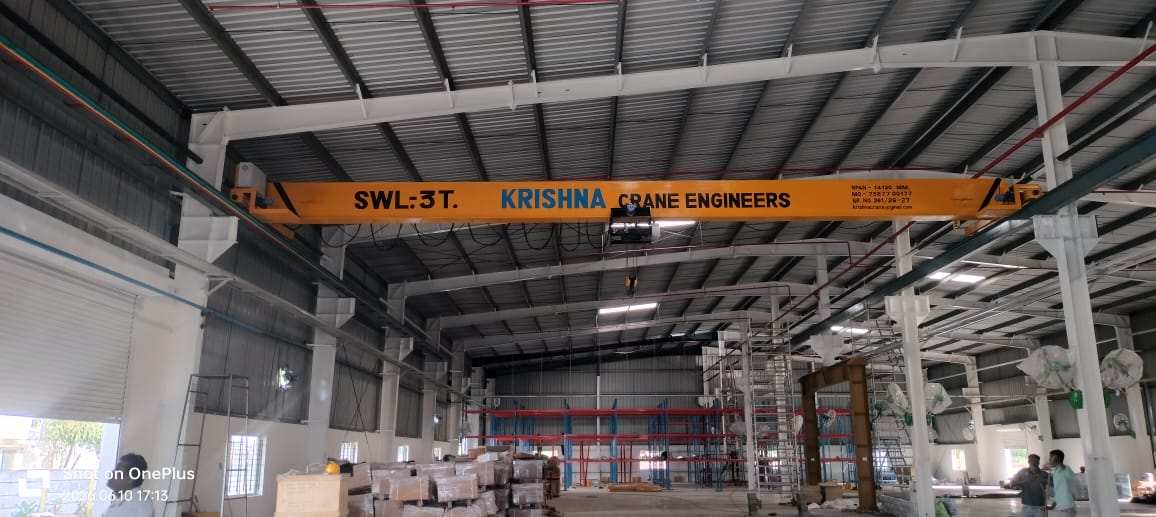
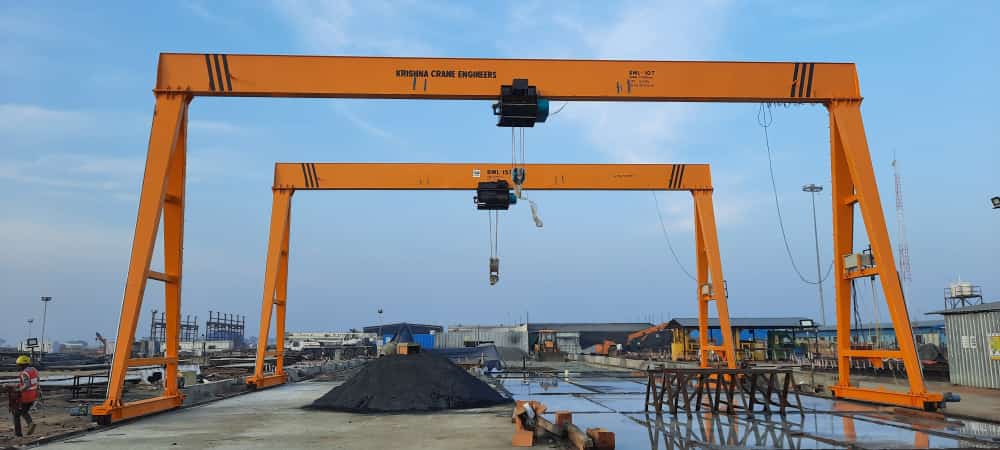
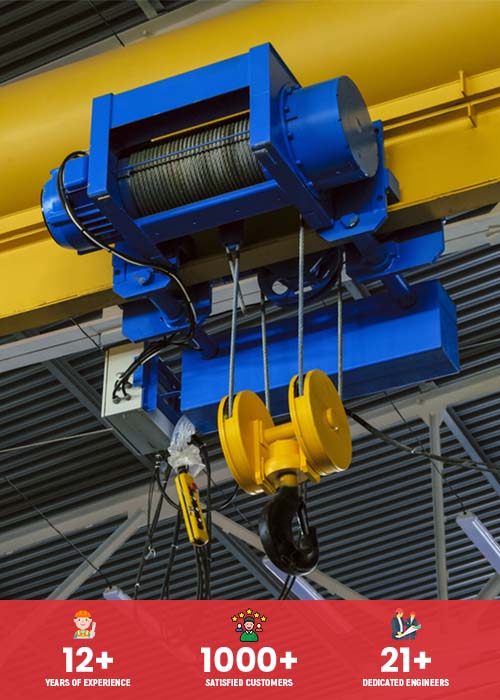
In single-girder cranes, there is one beam that supports the hoist, which moves beneath the beam. This type of crane is suitable for light to medium duties.
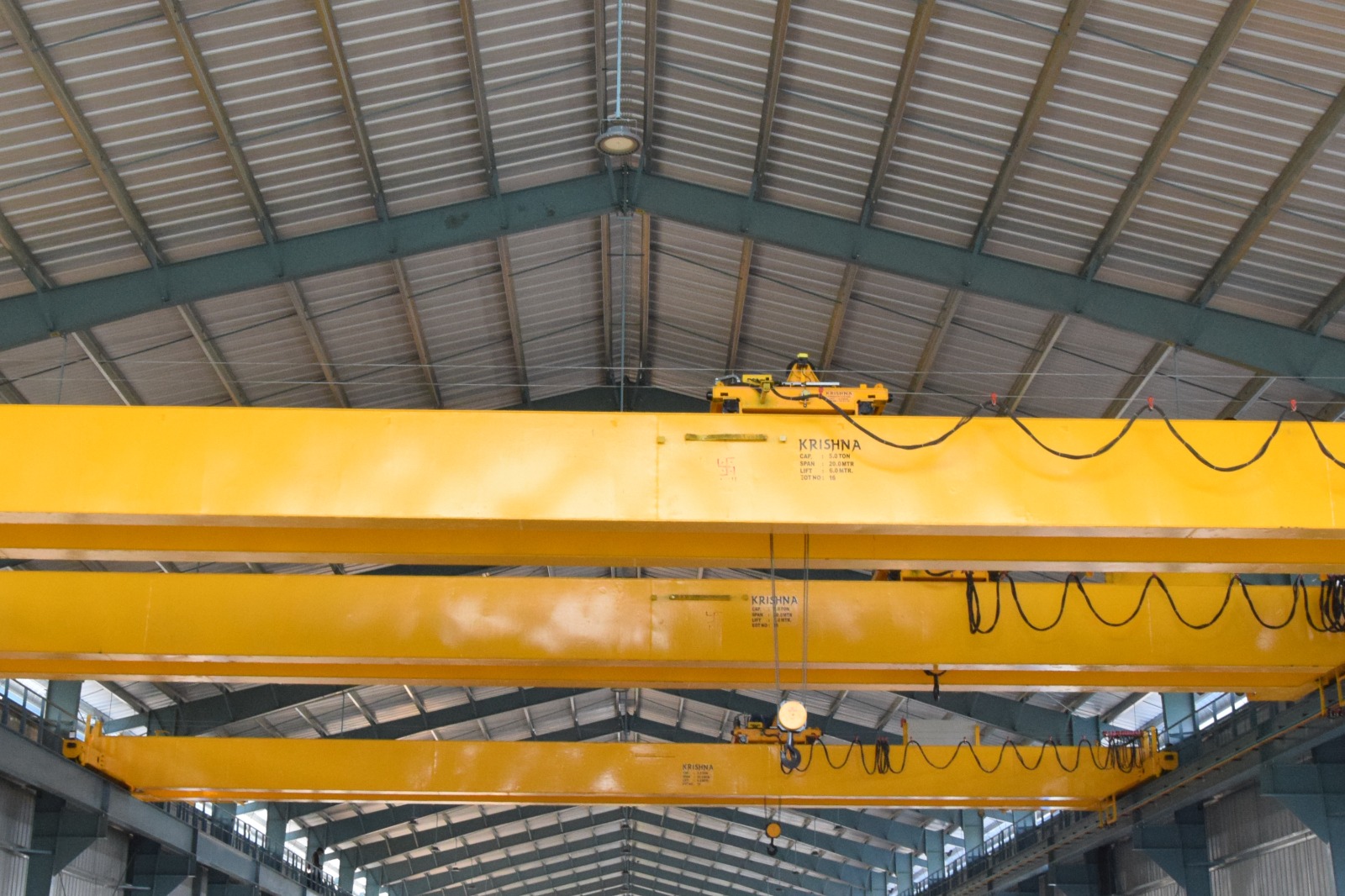
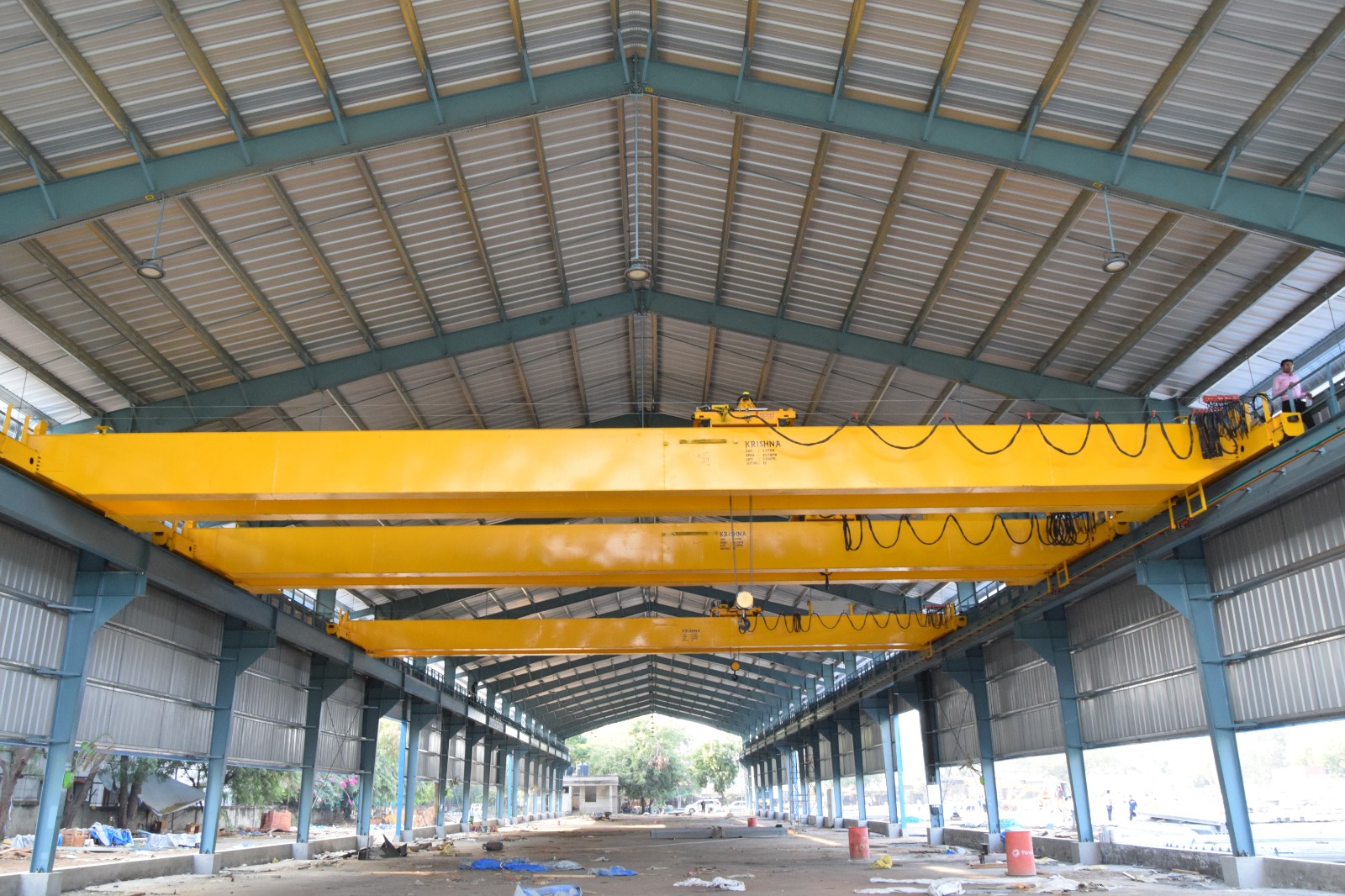
In double-girder cranes, there are two girders supporting the crane. The hoist trolley sits on top or between them, which gives more lifting power and better use of vertical space.
So the real question is not which crane is better. It is which one fits how your factory actually runs.
Single Girder EOT Crane Manufacturers: When Should You Choose One?
If your loads are moderate and you want to keep the first investment in check, a single girder crane is usually a smart pick.
You will find them in fabrication units in Rajkot, pump workshops in Coimbatore, auto component plants near Pune, and warehouses across Gujarat.
Key advantages of single girder cranes
- Lower purchase cost
- Lighter bridge structure
- Quicker installation
- Less load on columns
- Easy maintenance
- Best with ample headroom
Say a fabrication workshop lifts 5–10 tonne steel parts a few times an hour. A well-designed single girder crane handles that easily, and a heavier crane would just waste money.
Still, confirm your span, lifting height, and duty class first. Speak to single girder EOT crane manufacturers with real numbers, not guesses.
Double Girder EOT Crane Manufacturers: When Do You Need One?
Double girder cranes are designed to do hard jobs, including heavy lifting, long spans, high lifts, and minimal downtime.
Such types of cranes are common in steel mills, foundry plants, heavy engineering plants, and power plants at sites like Jamshedpur, Chakan, and Vadodara.
Why should you prefer a double-girder crane?
- Higher lift capacities
- Higher lift heights
- Span lifting
- Sturdier design
- Capable of non-stop working
- Enables easy maintenance of walkways
Think of a plant lifting 25-tonne machine parts every day. The loads are heavy, and the lifts keep repeating, so a double girder crane makes sense.
But bigger is not always better. Oversizing pushes up your cost and building requirements for no real gain. Ask double girder EOT crane manufacturers to size the crane for your actual duty.
Single Girder vs Double Girder EOT Crane: Quick Comparison
| Feature | Single Girder | Double Girder |
| Typical capacity | Under 15–20 tonnes | Over 20 tonnes |
| Cost | Budget-friendly | Higher investment |
| Hook height | Usually lower | Usually higher |
| Structure | Lighter | Heavier |
| Best use | Light to moderate work | Heavy, continuous work |
| Maintenance | Generally simpler | More components |
| Ideal for | Workshops, warehouses | Heavy manufacturing plants |
Treat these ranges as general guidance. Limits vary depending on the manufacturing process as well as your needs.
5 Factors to Consider Before Selecting an EOT Crane
1. Load capacity
Start with the heaviest load the crane will lift, not the average. Also think about heavier parts you may handle later.
2. Lifting height
Measure the gap between the floor and the roof truss. If headroom is tight, a double girder layout can give better hook height.
3. Span and factory layout
Check the distance between runway rails, your columns, and the working area. A wide bay needs a different setup than a compact workshop.
4. Duty cycle
How often will it run? A crane used a few times a day is very different from one running three shifts. Choose the right duty class.
5. Future expansion
Factories grow. Share your two-to-five-year plan with single girder EOT crane manufacturers or double girder EOT crane manufacturers before you finalise.
Common Mistakes to Avoid
Buying on price alone often backfires. Watch out for these:
- Using average loads
- Ignoring headroom
- Skipping structure checks
- Forgetting duty cycle
- No expansion plan
- Comparing only prices
- Ignoring after-sales support
A cheap crane is not cheap if it does not suit your work. Also remember that a single girder crane cannot simply be upgraded later. You may have to replace the crane and sometimes the runway.
Ask for test certificates too. Under the Factories Act, 1948, lifting machines need periodic examination by a competent person.
Which Crane Is Right for Your Factory?
Light to moderate loads and a tight budget? A single girder crane is likely enough.
Heavier loads, wider spans, higher lifts, or non-stop use? A double-girder crane deserves a serious look.
Decide on capacity, span, lifting height, duty cycle, building strength, and future plans. Price comes last. If you are unsure, a site visit from an experienced supplier can save you from a costly wrong choice.
FAQs
What are the applications of an EOT crane with a single girder?
These cranes are used in situations where heavy-duty applications are not needed.
When is an EOT crane with a double girder used?
This EOT crane is used when there is a requirement for heavy lifting operations.
Is single girder EOT crane cheaper?
Usually, yes. Since the bridge is lighter in weight, it makes it cheaper but ultimately depends on capacity, span, and erection.
Does single girder crane handle heavyweight loads?
Yes, but until a certain limit. This totally depends on capacity, span, lift cycle, and height of lift.
How to choose single girder EOT cranes from among double girder EOT cranes?
Compare engineering skill, safety features, component quality, installation support, warranty, and service. Their understanding of your application matters as much as the quote.
Conclusion
Your choice should start with what your factory actually lifts. The single-girder EOT crane manufacturers concentrate on moderate capacity and cost, while double-girder EOT crane manufacturers are concerned with heavy capacity, height, and tough duty cycles.
Check your load capacity, span, hook height, duty cycle, structure of your building and future plans before you place an order. To know what crane suits your factory better, contact the Hoistsandcrane team about your application, capacity, and duty cycle.