How to Find a Certified Hoist Crane Manufacturer in India
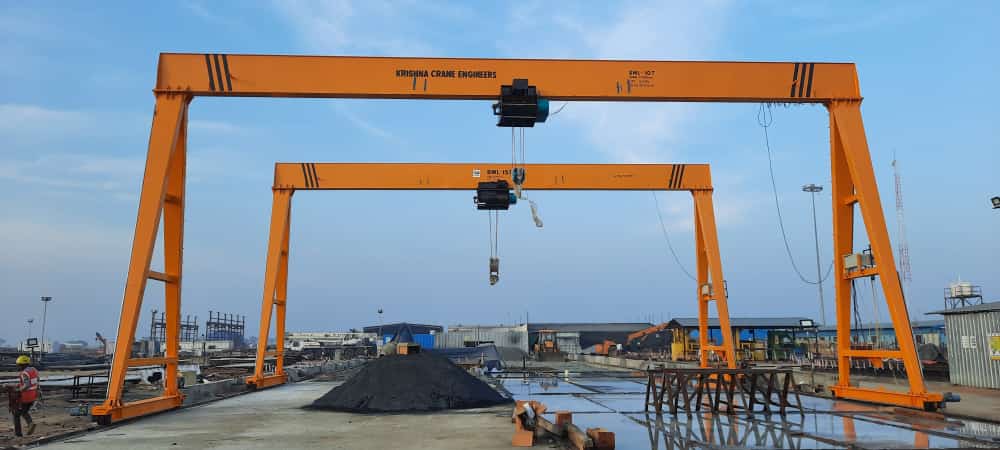
Hoist cranes are widely used across Indian manufacturing plants, warehouses, fabrication units, construction projects, engineering facilities, and material-handling operations. They help businesses lift, move, position, and lower heavy materials safely and efficiently.
However, choosing the right manufacturer is an important procurement decision. A hoist is a load-bearing system, and its performance depends on proper engineering, component quality, manufacturing standards, installation, maintenance, and after-sales support.
With many hoist manufacturers in india available in the market, businesses should evaluate manufacturers systematically instead of selecting a supplier based only on price. This guide explains the key factors to consider when looking for a certified and reliable hoist crane manufacturer in India.
1. Check the Manufacturer’s Certifications
The first step is to verify the manufacturer’s relevant certifications and quality-management credentials.
Ask the manufacturer to provide copies or details of applicable certifications rather than relying only on certification logos displayed on a website or brochure.
Depending on the manufacturer and application, buyers may look for:
- ISO quality-management certification
- Applicable product or manufacturing certifications
- Quality inspection records
- Testing documentation
- Material certificates where applicable
- Load-test documentation
Certifications should be relevant to the manufacturer’s actual operations and current products.
2. Evaluate Manufacturing Capability
A manufacturer should have suitable infrastructure for designing and producing industrial hoists and crane systems.
During supplier evaluation, ask about:
- Manufacturing facility
- Fabrication capabilities
- Welding and machining facilities
- Assembly processes
- Electrical integration
- Testing facilities
- Quality-control procedures
A manufacturer with an established production process can provide better visibility into how the equipment is designed, manufactured, inspected, and tested.
3. Match the Hoist to Your Application
There is no single hoist configuration suitable for every industrial application.
Before requesting quotations, determine:
- Maximum load capacity
- Lifting height
- Lifting frequency
- Required lifting speed
- Operating environment
- Available installation space
- Power supply
- Indoor or outdoor operation
- Required control system
For example, a hoist used for occasional warehouse lifting may have different requirements from one operating continuously in a heavy engineering plant.
Providing accurate application details allows the manufacturer to recommend a suitable configuration.
4. Check Load Capacity and Duty Requirements
Load capacity is one of the most important factors when selecting lifting equipment.
The rated capacity should be appropriate for the maximum intended load, including the operating conditions under which the equipment will be used.
Buyers should also discuss the expected duty cycle with the manufacturer. Factors such as operating frequency, load spectrum, lifting height, and working hours can affect equipment selection.
Avoid choosing a hoist simply because it has the lowest price. Selecting equipment that does not match the actual duty requirements can increase wear and maintenance requirements.
5. Examine Component Quality
The reliability of a hoist depends on the quality and compatibility of its major components.
Ask for technical specifications for components such as:
- Motors
- Gearboxes
- Brakes
- Wire ropes or chains
- Hooks
- Bearings
- Electrical panels
- Limit switches
- Control systems
Where branded components are specified, verify the exact make and model. Also ask about spare-part availability and replacement procedures.
6. Review Safety Features
Safety should be evaluated before finalising the purchase.
Depending on the design and application, relevant safety features may include overload protection, upper and lower limit switches, emergency stop systems, brakes, suitable control systems, and warning mechanisms.
Ask the manufacturer how safety features are tested before dispatch.
The manufacturer should also provide operating and maintenance instructions so that the equipment can be used correctly after installation.
7. Ask About Testing and Inspection
A professional manufacturer should have a defined testing process before equipment leaves the facility.
Ask whether the hoist undergoes relevant functional checks, load testing, electrical testing, brake testing, and inspection of critical components.
Request appropriate test reports and documentation as part of the procurement process.
Clear documentation can also help maintenance teams during future inspections and servicing.
8. Evaluate Installation and Commissioning Support
A hoist can perform properly only when it is installed and commissioned correctly.
Before signing the purchase order, clarify whether the supplier provides:
- Installation
- Alignment
- Electrical connection
- Testing
- Commissioning
- Operator training
- Handover documentation
Also confirm whether installation costs are included in the quotation or billed separately.
9. Check After-Sales Service
After-sales support is an important part of industrial equipment procurement.
Ask the manufacturer about warranty coverage, service response time, preventive maintenance, breakdown support, and availability of technicians.
It is also useful to understand how spare parts are supplied and how quickly commonly required components can be obtained.
Good service planning can help reduce downtime when maintenance or repairs are required.
10. Review Previous Projects
Before selecting a supplier, examine its experience with similar industrial applications.
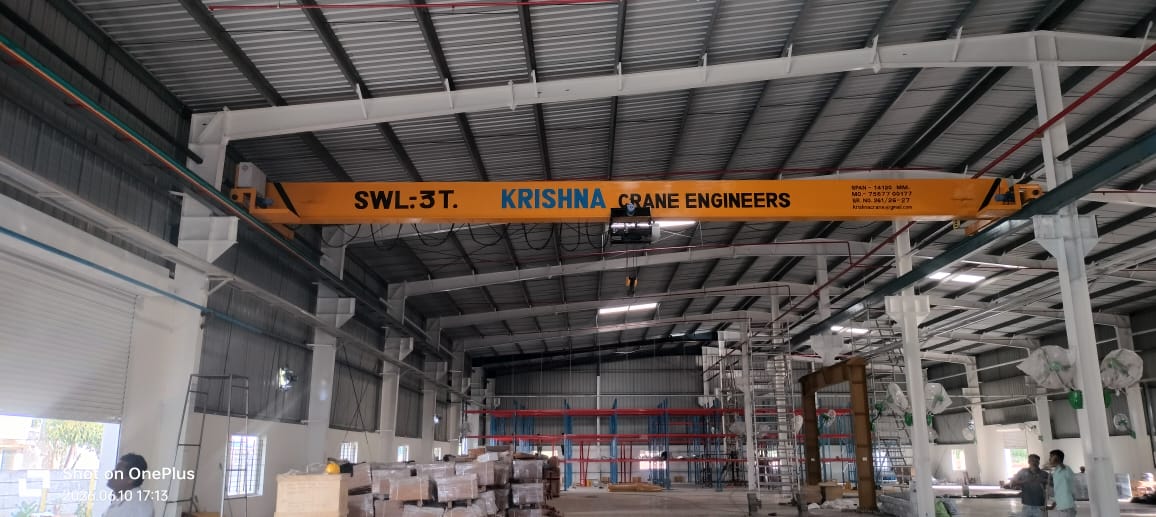
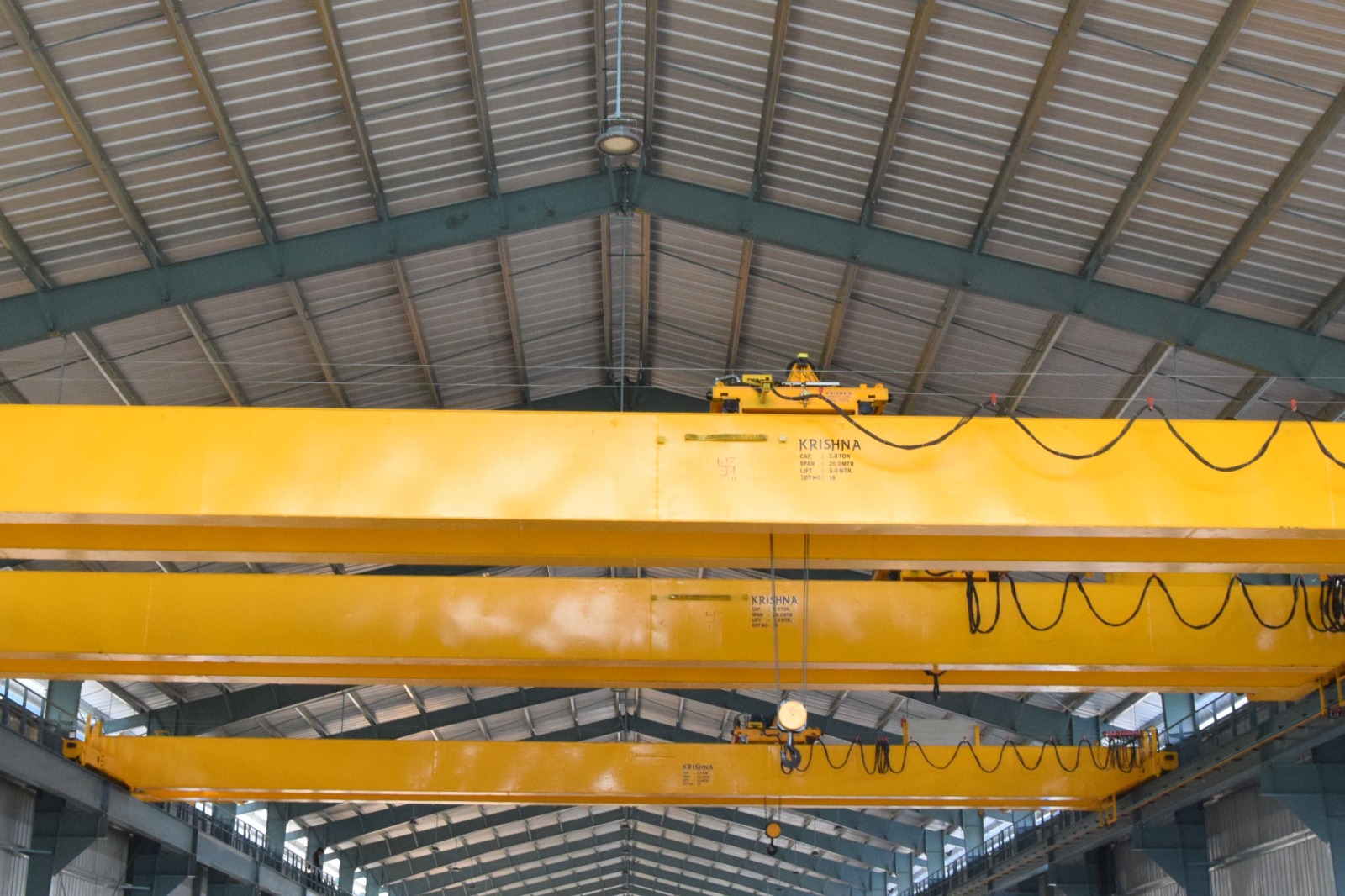
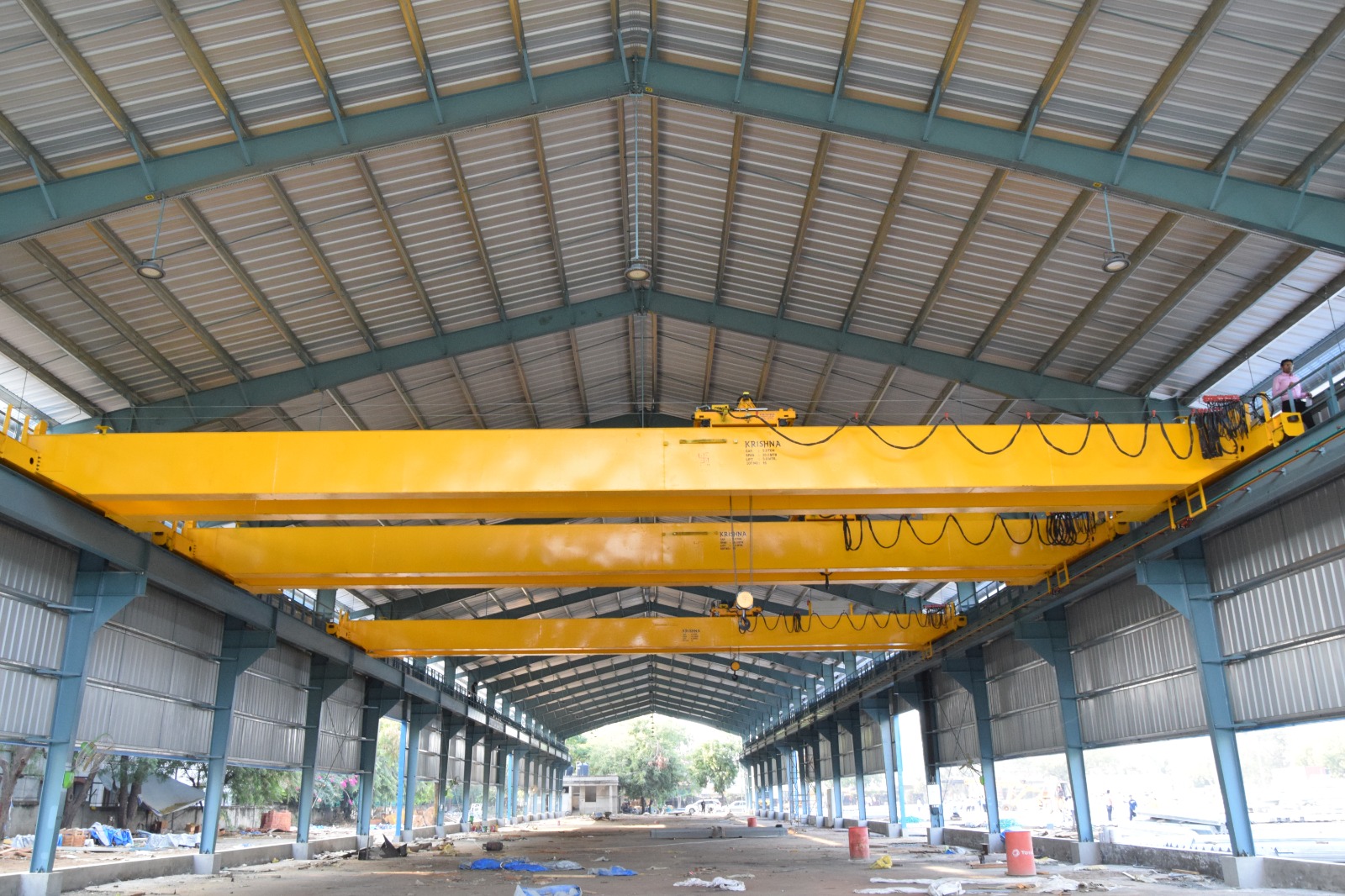
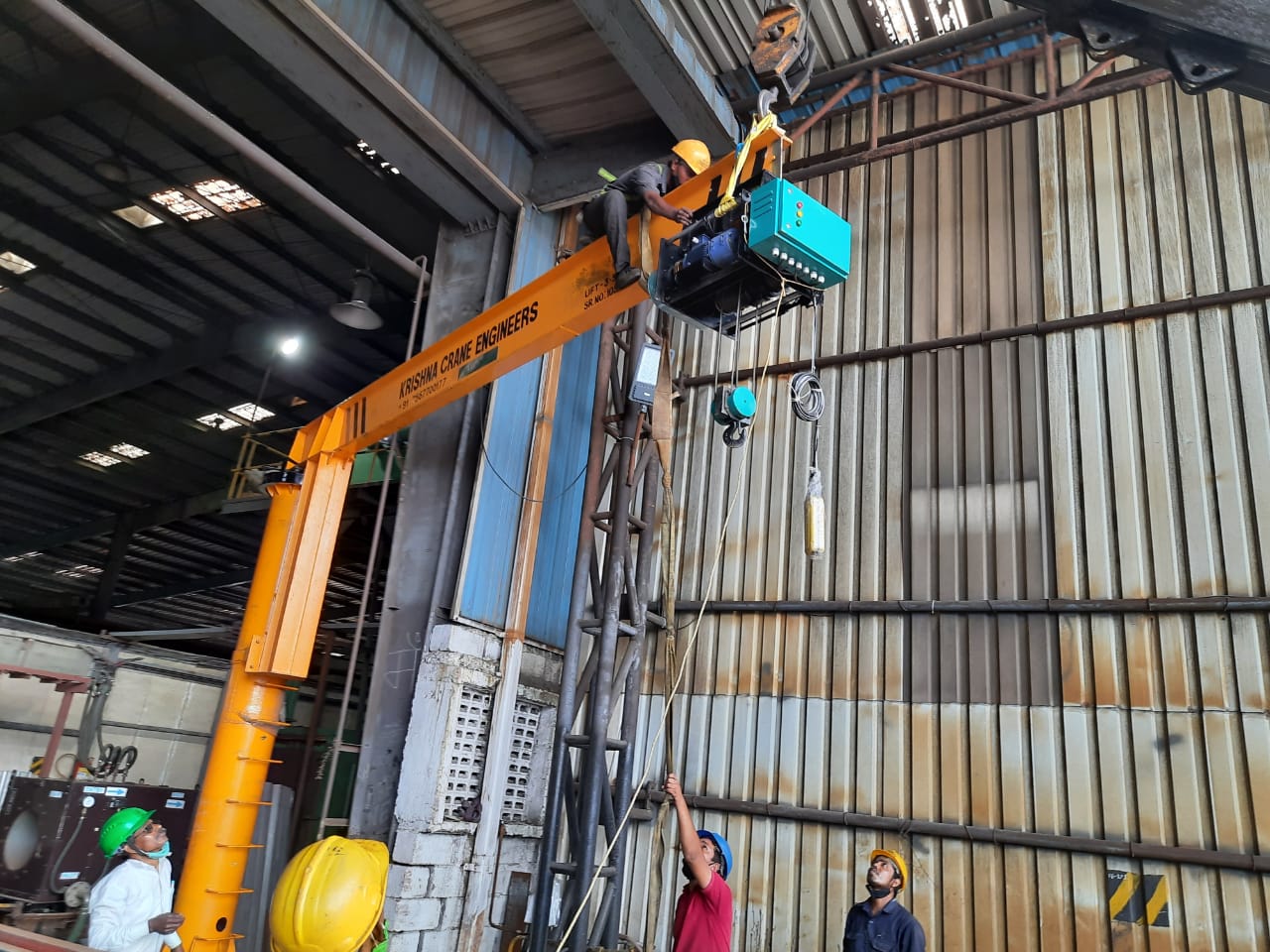
Ask for relevant project references, installation details, photographs, case studies, or customer references where available.
For example, a manufacturer with experience supplying hoists for engineering plants may be more familiar with the operating requirements of heavy manufacturing environments than a supplier focused primarily on light-duty applications.
The objective is not simply to find the oldest supplier, but to verify relevant technical and application experience.
11. Compare Complete Quotations
When comparing multiple suppliers, ensure that all quotations are based on the same technical specifications.
Compare:
| Factor | What to Verify |
| Capacity | Maximum safe working load |
| Lift | Required lifting height |
| Duty | Operating frequency and application |
| Speed | Hoisting and travelling requirements |
| Components | Motor, brake, gearbox and controls |
| Safety | Protection and limit systems |
| Testing | Inspection and test documentation |
| Installation | Included services |
| Warranty | Coverage and conditions |
| Service | Maintenance and breakdown support |
| Spare Parts | Availability and supply |
| Cost | Complete project cost |
This prevents a low quotation from appearing cheaper simply because important services or components have been excluded.
12. Consider Long-Term Operating Cost
The initial purchase price should not be the only financial consideration.
Businesses should also evaluate energy consumption, maintenance requirements, spare-parts costs, inspection requirements, expected downtime, and equipment durability.
A slightly higher initial investment may provide better long-term value if the equipment is properly matched to the application and supported by reliable maintenance services.
Why Choose Krishna Crane Engineers?
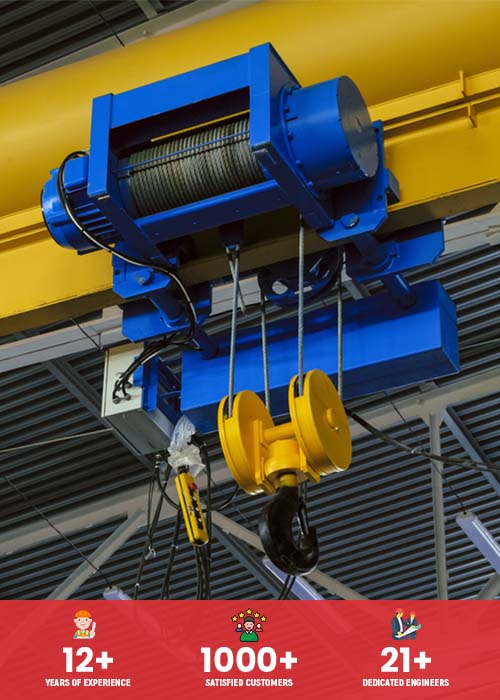
Krishna Crane Engineers provides hoist and crane solutions for industrial material-handling applications. With 20+ years of experience, 1,000+ satisfied customers, and 21+ dedicated engineers, the company focuses on reliable and application-specific lifting solutions.
Key reasons to consider Krishna Crane Engineers include:
- Customised Solutions: Hoists and cranes designed according to load capacity, lifting height, workspace, and application requirements.
- Experienced Engineering Team: Technical support for selecting and configuring suitable lifting equipment.
- Quality & Safety: Equipment designed with applicable industry standards and safety requirements in mind.
- Complete Support: Installation, testing, commissioning, maintenance, repairs, and spare-parts support.
- Industrial Experience: Experience serving manufacturing and material-handling requirements across different industries in India.
For businesses evaluating a hoist manufacturer, Krishna Crane Engineers can be considered based on its technical capabilities, product suitability, service support, and project requirements.
Frequently Asked Questions
What should I check before selecting a hoist crane manufacturer?
Check the manufacturer’s certifications, engineering capability, manufacturing infrastructure, product specifications, safety features, testing procedures, installation support, warranty, spare-parts availability, and after-sales service.
How do I know if a hoist is suitable for my application?
Consider the maximum load, lifting height, operating frequency, lifting speed, environment, available space, and power requirements. Share these details with the manufacturer before selecting the equipment.
Why is manufacturer certification important?
Relevant certifications can provide evidence that the manufacturer follows defined quality-management or manufacturing processes. Buyers should verify that certifications are genuine, current, and relevant to the supplier’s operations.
Should I choose a hoist based only on price?
No. The lowest quotation may not include all required components, installation, testing, or after-sales services. Compare the complete technical and commercial scope before making a procurement decision.
What documents should I request from the manufacturer?
Depending on the equipment and project, request technical specifications, drawings, test reports, warranty documentation, operation manuals, maintenance guidelines, and relevant certification documents.
How important is after-sales service?
After-sales service can directly affect equipment uptime. Check the manufacturer’s maintenance support, technician availability, spare-parts supply, warranty process, and response arrangements before purchasing.
Conclusion
Finding a certified hoist crane manufacturer in India requires more than comparing product prices. Industrial buyers should evaluate certification, manufacturing capability, application suitability, component quality, safety systems, testing, installation, after-sales support, and long-term operating costs.
A structured supplier-evaluation process helps businesses select lifting equipment that matches their operational requirements while supporting safe and reliable material handling. By considering both technical performance and lifecycle costs, procurement teams can make a more informed investment for their industrial facility.