
How to Prevent HOT Crane Accidents: Everything You Need to Know
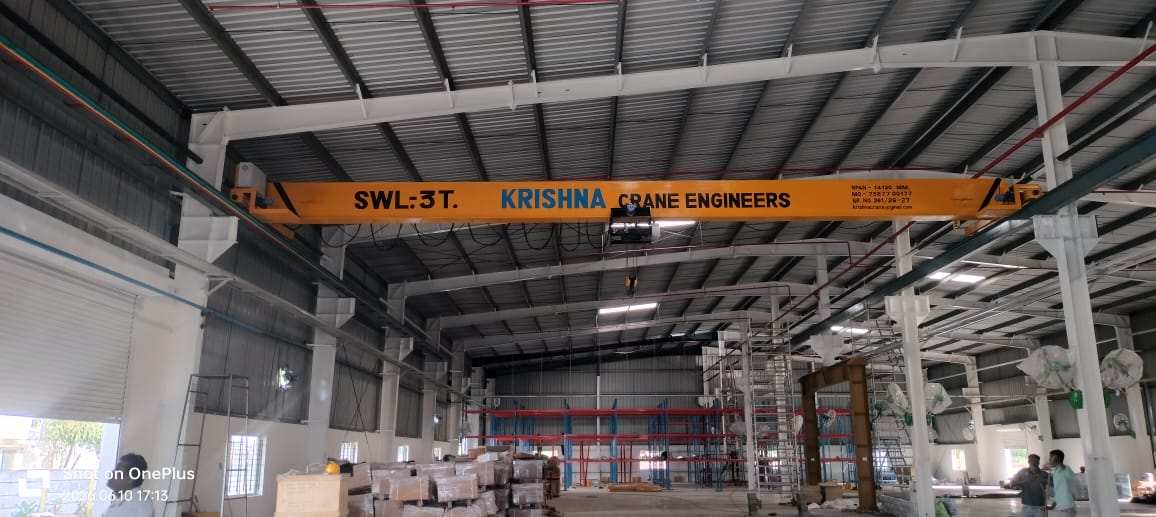
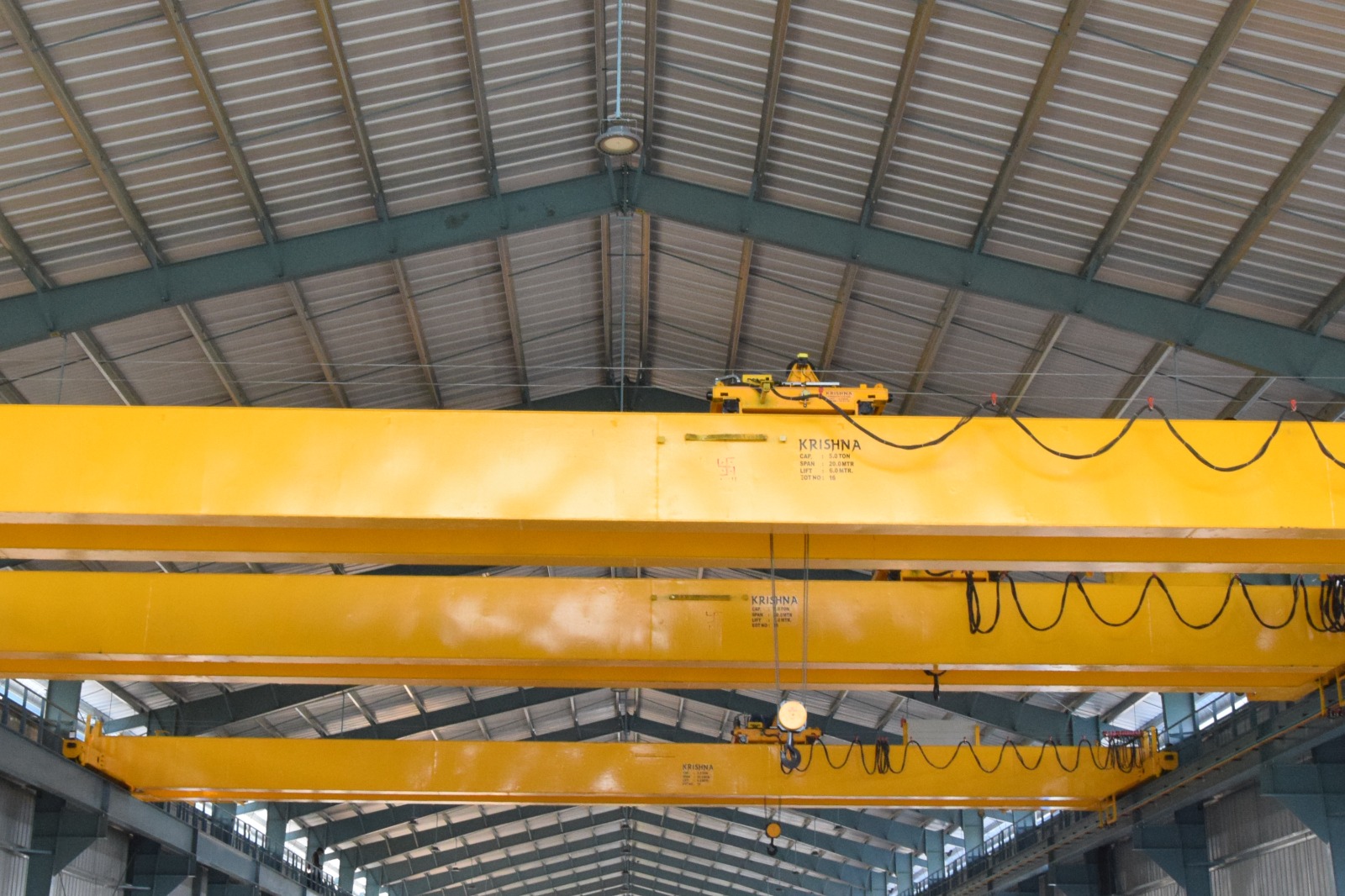
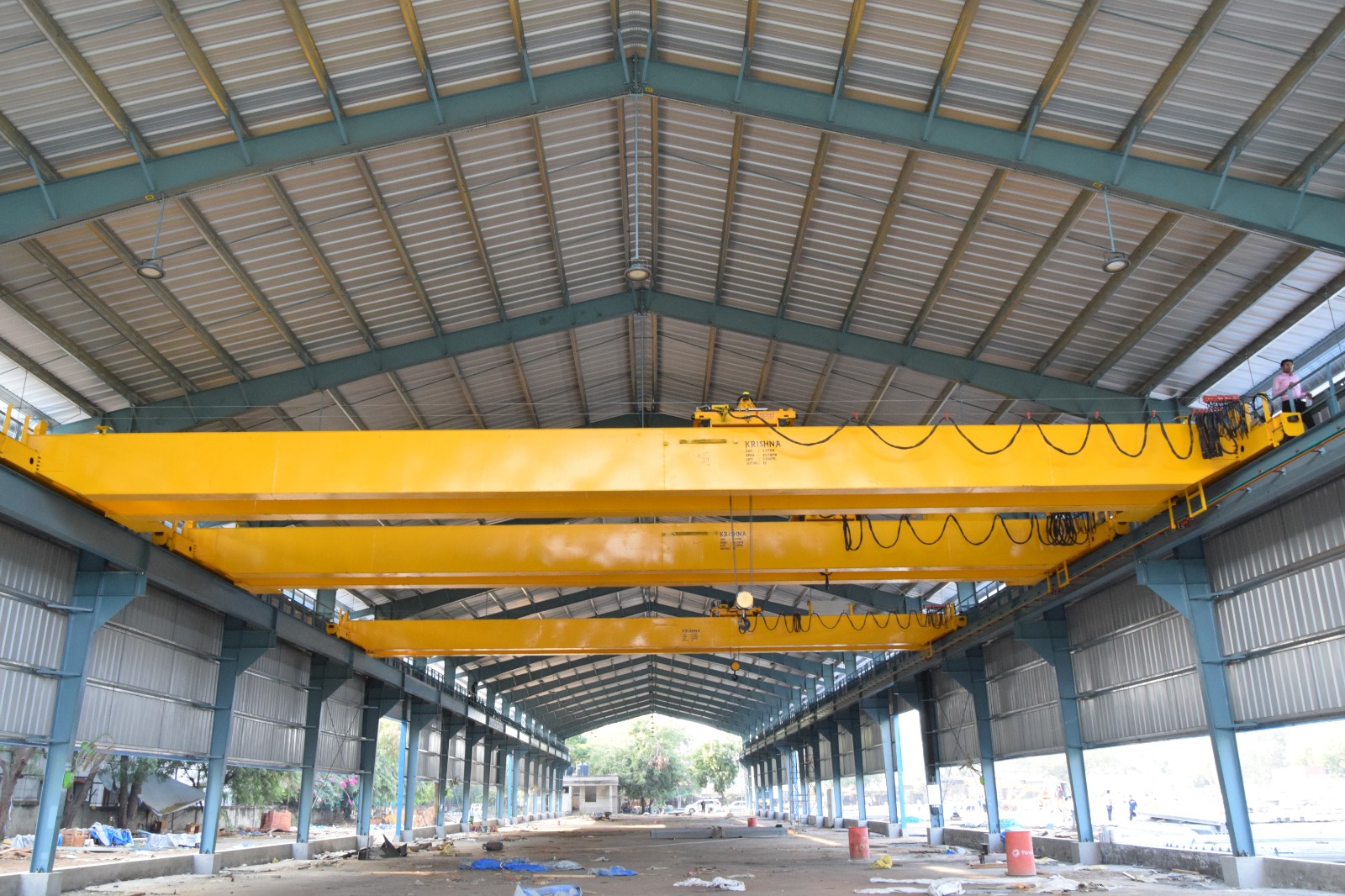
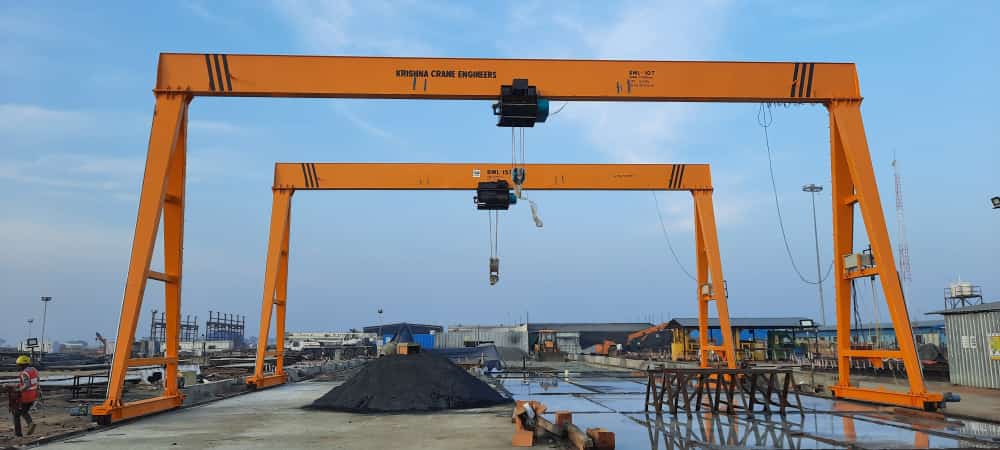
Safety is one of the most important aspects of any industrial workplace. HOT Hand Operated Travelling cranes are commonly used in various industries like factories, workshops and manufacturing units to move goods from one place to another. These cranes make the job easier but at the same time can result in injuries if not used properly.
Any problem that occurs during the use of cranes can lead to injuries, damage to the equipment, loss of time or even major accident. But what is good is that the majority of HOT crane accidents can be prevented by taking appropriate safety steps.
Here, we will see how to prevent HOT crane accidents and create a safer working environment.
Start Every Shift With a Full Inspection
Before the first lift of the day, the crane needs to be checked. This takes a few minutes and it’s the single most effective thing an operator can do to prevent an accident before it starts.
Go through the essentials every time:
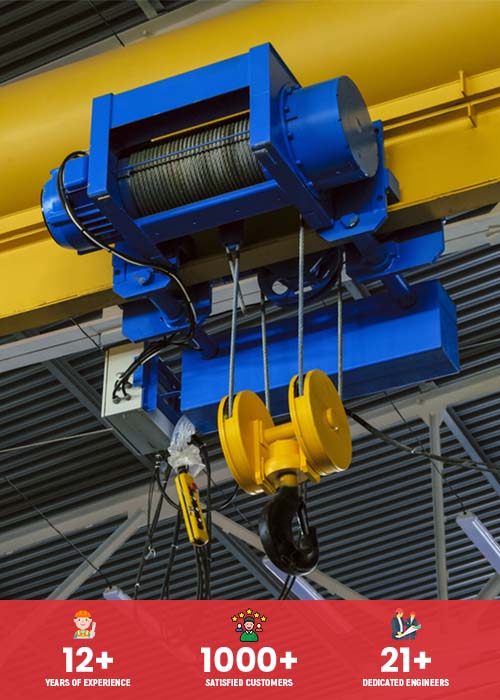
- Wire ropes — look for broken strands, kinks, or uneven wear along the length
- Hook and latch — check for cracks, bends, or a latch that doesn’t close firmly
- Brakes — test them on a no-load run before anything gets lifted
- Hoist mechanism — listen carefully for grinding, hesitation, or unusual sounds
- Pendant controls — every button and switch should respond immediately and correctly
If anything seems even slightly off, take the crane out of service. Tag it. Report it. The instinct to “see how it goes” is how minor issues become major accidents.
Never Overload the Crane
Every HOT crane has a rated load capacity. That number is not a rough estimate, it’s an engineering limit based on testing, materials, and mechanical tolerance. The moment that limit is crossed, the crane enters territory it was never designed for.
Structural components experience loads that they can’t handle. Ropes stretch beyond safety limits. Brakes struggle to hold what they weren’t built to hold. And under enough pressure, something gives.
The fix is simple: weigh the load before lifting it. Compare it against the load chart. If it’s over — stop. Find a different approach, a different crane, or a different plan. No job is important enough to risk a structural failure mid-air.
Proper Rigging and Load Balancing
The crane does the lifting, but rigging determines whether the load arrives safely or ends up on the floor. Poor rigging is one of the most common reasons loads drop — and a dropped load causes serious injuries fast.
Before any lift leaves the ground:
- Use the correct slings, chains, and hooks for the specific load being lifted
- Position the rigging so the load balances at its center of gravity
- Confirm the hook latch clicks fully shut before lifting
- Clear all loose items, debris, or unsecured parts from the load
- Take up slack slowly, pause a few inches off the ground, and confirm the load hangs level and stable
If the load tilts or shifts when it comes up, bring it back down and re-rig. Trying to correct a badly rigged load while it’s suspended is dangerous and rarely works. Only trained, authorized riggers should handle the attachment of loads — this is not a task for anyone who happens to be nearby.
Safe Operation
Jerky crane operation is more dangerous than most operators realize. A sharp start throws the load forward. A sudden stop sends it swinging. Once a heavy load is in motion sideways, it’s extremely difficult to bring back under control — and anything in its path takes the impact.
Move controls gradually. Accelerate slowly, decelerate slowly. Keep the load travelling as close to the ground as the job allows. Always have a clear, unobstructed view of the load and the path it’s travelling. And the rule that should never, ever be broken: no load travels over people. Not for a second, not for any reason.
Keep the Operating Zone Clear and Controlled
Before every lift, do a full sweep of the area. Check the travel path. Ensure that there are no workers positioned under or around the area through which the load will travel. Check for any machine or object that may collide with the crane while moving.
Restrict access to the crane’s operating area when possible.Use cones, barriers, or tape to mark the zone and keep unauthorized personnel out. In busy facilities where people are constantly moving through shared spaces, this step is what stands between a normal shift and a tragedy.
Maintain Clear Communication During Lifting
A large number of crane incidents come down to some version of miscommunication. One person thought the operator saw them. Two people gave instructions simultaneously. A signal was misread.
Before the lift starts, agree on signals. Assign one person to communicate with the operator — not multiple voices at once. Every person involved understands what each signal means before the load goes up. And if at any point communication breaks down or a signal is unclear, the load comes down. No exceptions.
Stay On Top of Maintenance
Crane components wear gradually and quietly. Wire ropes don’t announce fatigue. Brake pads don’t warn you before they thin out. Hooks don’t visibly crack until they’re close to failure. By the time something breaks, the time to act has already passed.
Follow a regular maintenance schedule. Lubricate moving parts consistently. Replace components based on wear — not based on waiting for something to break. Keep clear maintenance records so nothing gets overlooked across shifts or months.
A crane that receives consistent care is predictable. A crane that gets attention only when something goes wrong is a hazard waiting to happen.
Train Operators Properly
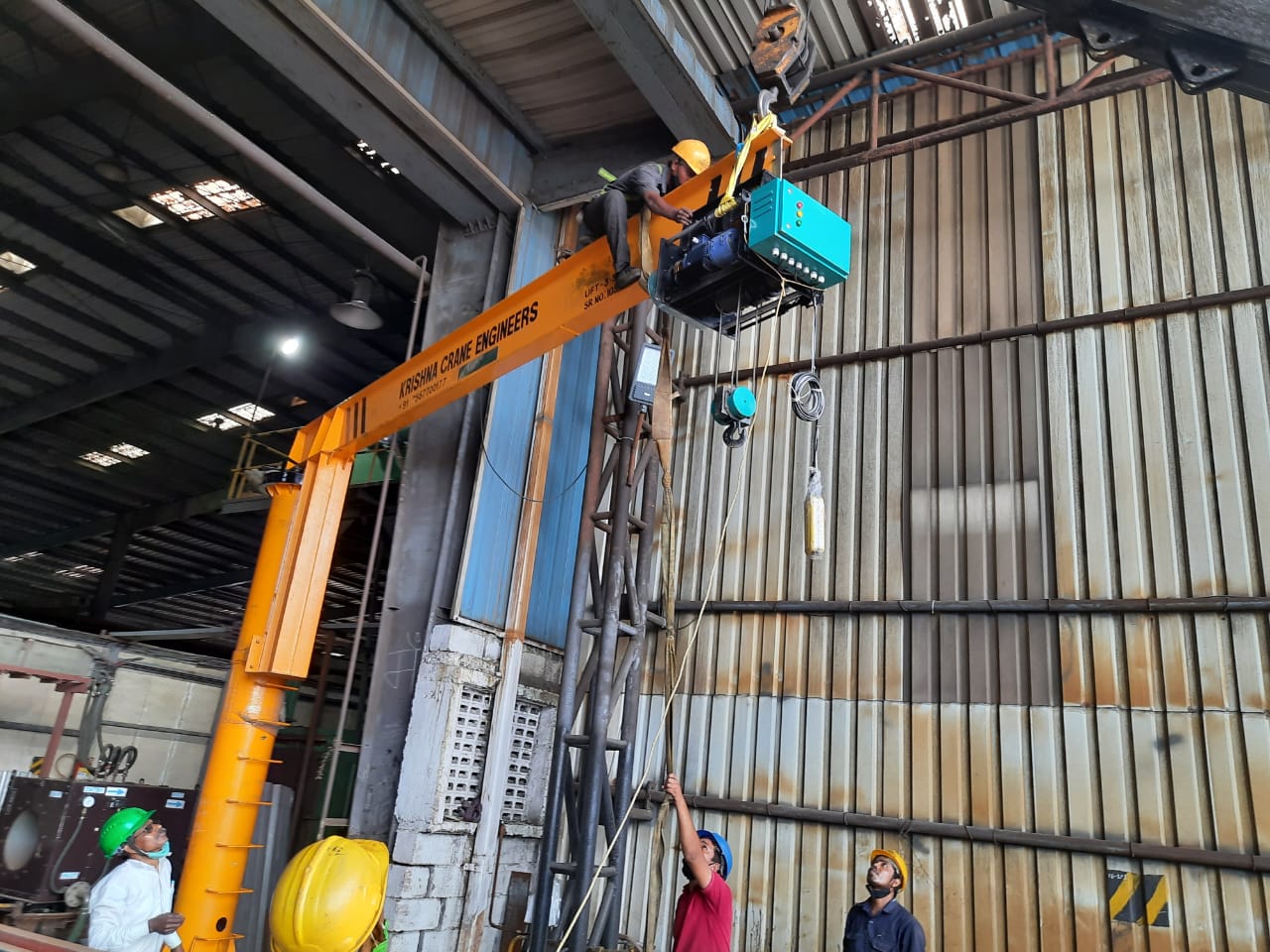
Operator certification is essential, but it’s only part of the picture. The floor workers, riggers, and anyone regularly in the crane’s operating area need proper safety training too. They need to understand danger zones, what signals mean, how to recognize when something looks wrong, and what to do if it does.
A certified operator working with an untrained floor crew is still a high-risk situation. Safety awareness has to exist across the entire team, not just in the cab.
Conclusion
To Avoid HOT crane accidents, it requires proper training, regular inspections, safe lifting procedures, preventive maintenance and a high level of awareness in the workplace.
Simple habits like checking wire ropes everyday, balancing loads correctly and moving cranes smoothly can prevent major accidents and damage to equipment.
Companies that focus on crane safety will protect workers and improve productivity. A safe workplace begins with responsible crane operation.
Looking for reliable hoists and cranes built for safe, consistent performance? Visit HoistsandCrane.com
Frequently Asked Questions (FAQs)
What does HOT crane stand for?
HOT stands for Hand Operated Travelling, a crane controlled manually by an operator using a remote.
Who is allowed to operate a HOT crane?
Only trained, certified, and formally authorised person can operate HOT cranes.
How often should a HOT crane be inspected?
Every single shift, before the first lift of the day.