
Industrial Procurement Checklist: Sourcing from Top Crane Manufacturers in Ahmedabad for Maximum ROI in 2026
Cranes in industrial applications are among the largest investments made by manufacturing industries, warehouses, engineering companies, construction sites, and material handling firms. The selection of a suitable crane leads to better productivity, lower labour input, lower downtime, and increased efficiency in the workplace. However, the selection of a suitable crane is not merely a matter of cost analysis.
In 2026, business buyers have to assess the crane producers according to their engineering abilities, safety, customisation, post-purchase service, maintenance, and cost-effectiveness. An effective checklist may assist the companies in making more competent purchases and increase the rate of return on investment (ROI).
1. Define Your Material Handling Requirements
Before contacting the manufacturer, you should make detailed notes on the specifications of your application. For instance, first list the different kinds of materials that your crane will need to lift.
Important factors include:
- Maximum lifting capacity
- Required lifting height
- Span and runway length
- Working environment
- Indoor or outdoor installation
- Operating frequency
- Required travelling and hoisting speeds
- Available floor and headroom space
For example, a crane that is under continuous usage in a heavy engineering factory requires a totally different design from a crane that is not under continuous usage in a warehouse. This specific design will help the manufacturers advise on the design of the cranes.
2. Select the Right Crane Type
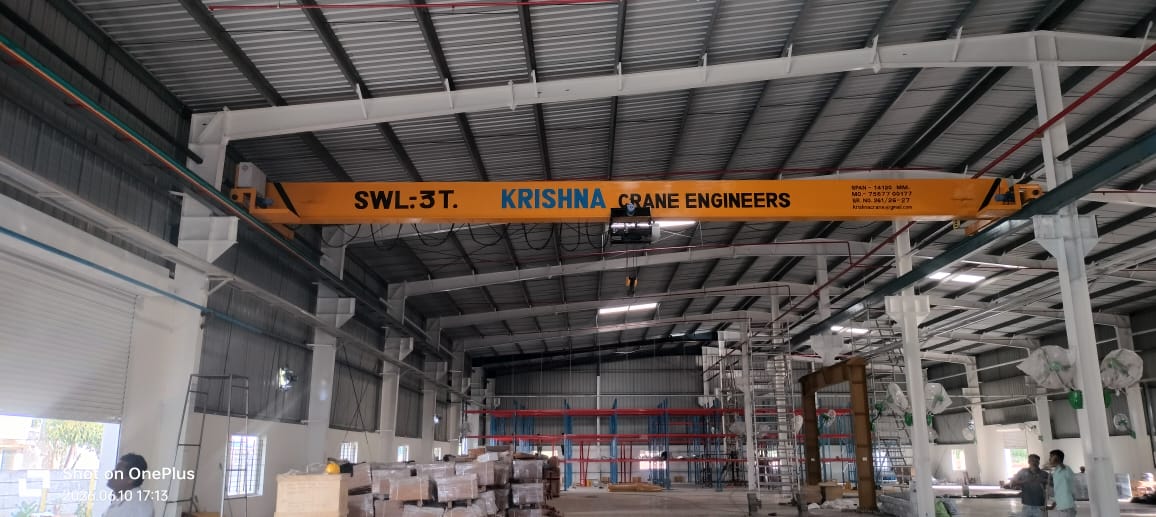
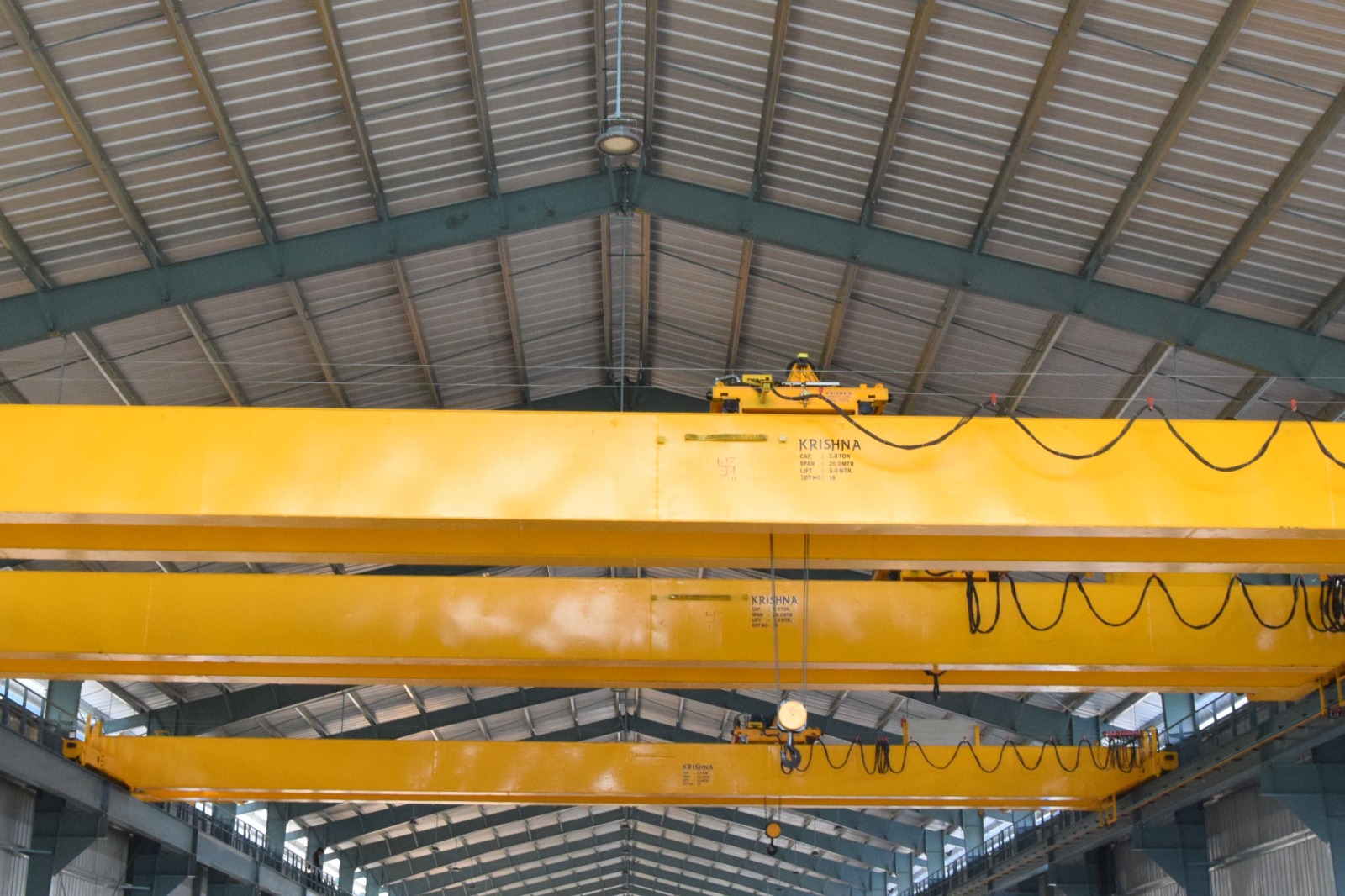
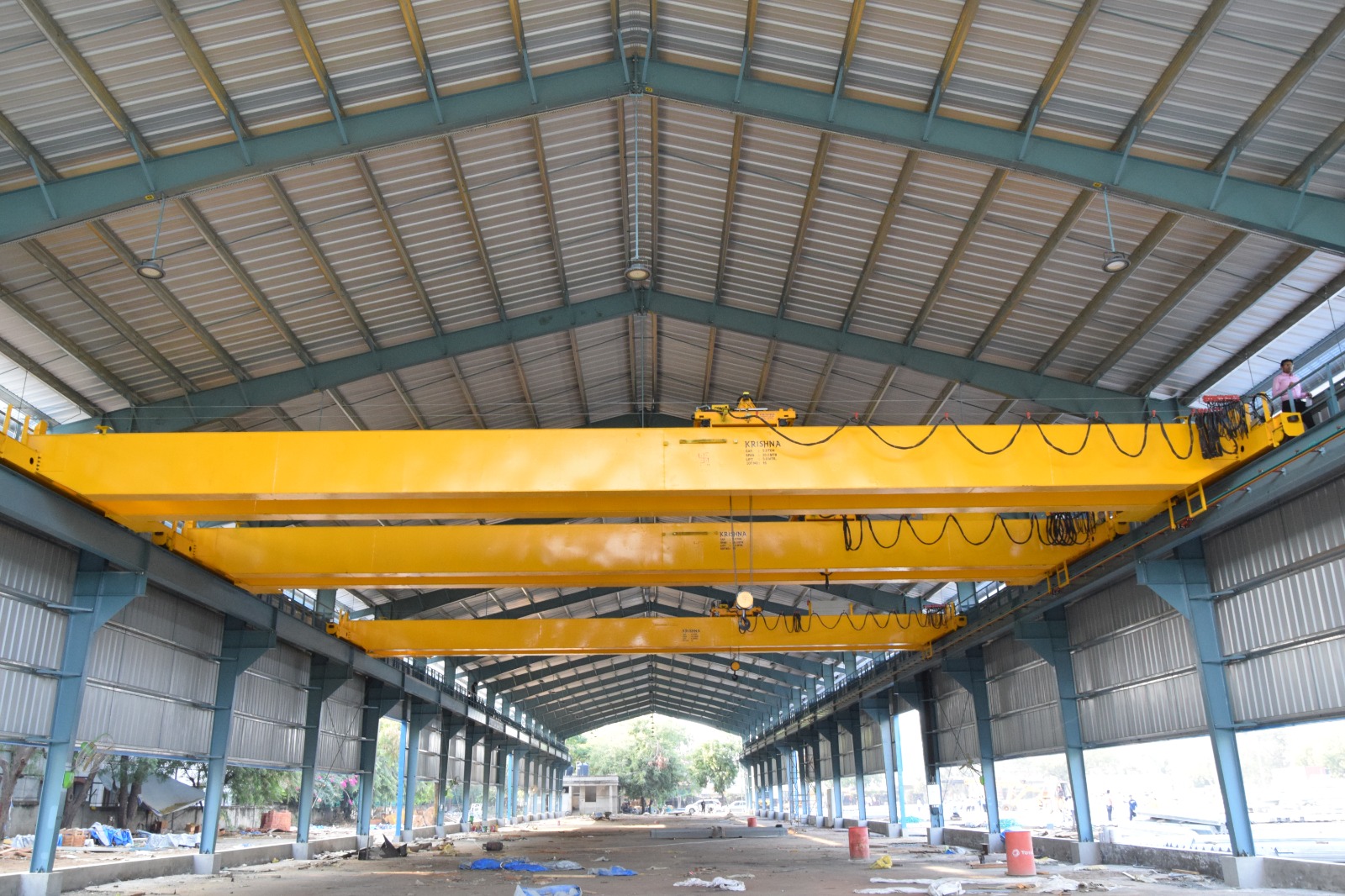
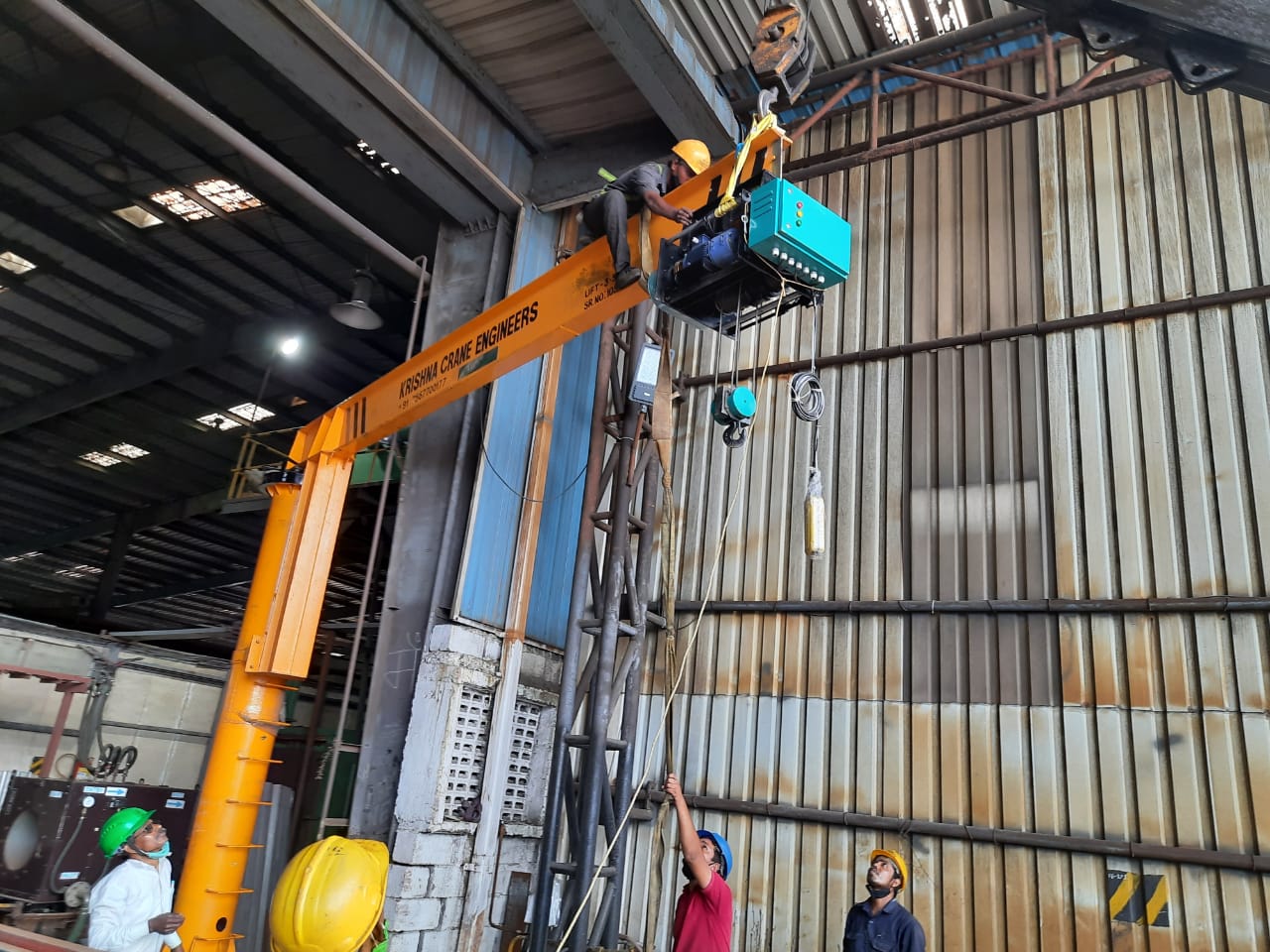
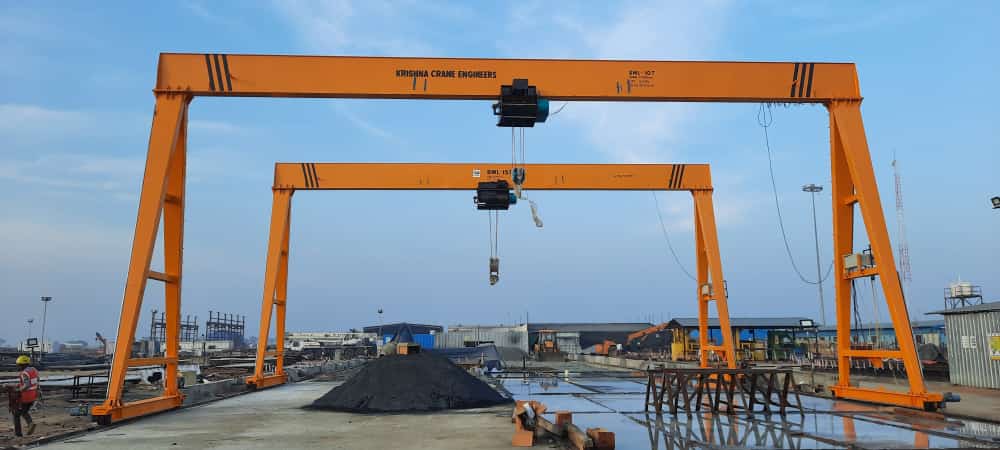
There is a variety of different cranes that are designed to work according to the industrial application they are used for. Overhead crane, EOT crane, double girder crane, single girder crane, gantry crane, and jib crane are some of the examples of such cranes.
Your procurement team should compare the available options based on:
- Load capacity
- Span
- Duty classification
- Installation requirements
- Available space
- Operating cycle
- Maintenance requirements
- Future expansion plans
A choice of crane solely on the basis of its cost may result in higher expenses in its future operation. It is important to choose such a design that will have enough capacity without being over-designed.
3. Evaluate the Manufacturer’s Engineering Capability
The crane is a customised industrial system rather than an out-of-the-box product. The engineering capability of the manufacturer thus becomes an important consideration in the procurement process.
For a crane manufacturer in Ahmedabad, it should be checked whether the manufacturer offers engineering that is application-specific, structural, electrical, control systems, and customisation.
Ask for information about:
- Design and engineering process
- Manufacturing facilities
- Quality control procedures
- Testing process
- Customisation capabilities
- Technical documentation
- Previous industrial installations
An organisation with good engineering expertise will be able to detect problems that may occur in the use of the product.
4. Check Safety Features and Compliance
Safety should be an important part of the crane procurement process. The buyers should not consider the safety aspects only after the installation but during the design and selection phase.
Depending on the design of the crane, some of the necessary safety precautions include overloading protection, emergency stop, limiters, braking systems, anti-collision system, alarm bells, and proper controls.
Contact the manufacturer for information on Indian standards, testing procedures, loading tests, inspection certificates, and safety certifications.
The other important consideration to make is whether the chosen crane is environmentally appropriate.
5. Compare Total Cost of Ownership
The lowest purchase quotation does not always represent the lowest overall cost.
For a better ROI calculation, consider the total cost of ownership, including:
Cost of Purchase + Installation + Energy Consumption + Maintenance + Spare Parts + Down-time + Repairs
Even a highly priced crane can turn out to be economically viable due to its better durability, efficiency, maintenance, and reliability.
Get the quotations for maintenance, replacement, spare parts, and operational expenses from the vendors.
6. Assess Component Quality
The working and efficiency of the industrial crane depend on the quality of the various parts used in its construction.
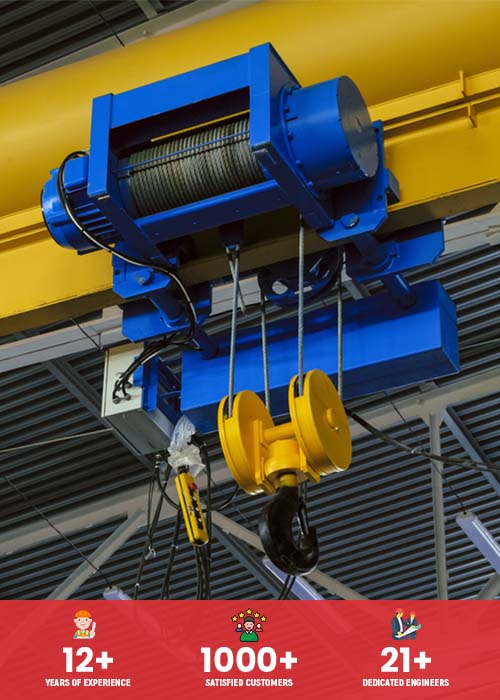
When purchasing the crane, you should ask questions about the specifications and brands of the main parts such as motors, gearboxes, brakes, bearings, cables, electrical control panels, and lifting devices.
You should ensure that the parts which will be needed during the process of replacement are readily available in India. This will help avoid maintenance problems.
7. Review Customisation Options
Industrial facilities may differ in many ways, including their layout, load needs, and manufacturing process, among others. As such, a typical crane may not offer adequate performance levels.
Ask whether the manufacturer can customise:
- Crane capacity
- Span and lifting height
- Travel speed
- Hoisting speed
- Control systems
- Structural dimensions
- Pendant or remote controls
- Safety systems
- Special lifting attachments
A properly customised crane can improve workflow and make better use of available plant space.
8. Evaluate Installation and Commissioning Support
Procurement does not end at delivery of the crane. The installation and commissioning process may have a direct effect on the performance of the equipment from its very first use.
It is important to establish in advance of making a decision which supplier to choose if the quotation covers transport, installation, wiring up, commissioning, training, etc.
A good installation plan will also help you avoid unnecessary expenses and disruptions to your production process.
9. Check After-Sales Service and Maintenance Support
After-sale service support is very important when it comes to industrial machinery. In spite of designing the machine properly, the machine might need regular maintenance, checking, problem solving, and parts replacement during its service period.
Ask the manufacturer about:
- Service response time
- Preventive maintenance packages
- Spare-parts availability
- Breakdown support
- Inspection services
- Warranty terms
- Technician availability
- Operator training
A supplier with an organised service network can assist in reducing unplanned downtime.
10. Verify Previous Industrial Experience
It is advisable to review the experience of the manufacturer in similar applications prior to placing your order.
Review history cases, installations, applications, and the kinds of customers they have dealt with. Experience with sectors such as engineering, steel, automotive, fabrication, construction, warehousing and manufacturing may imply familiarity with different material handling requirements.
Experience in applications should be compared rather than claims of the general nature.
11. Compare Quotations on the Same Specifications
When requesting multiple quotations, make sure that all suppliers are supplied with similar technical specifications to increase the relevance of price comparisons.
Your comparison sheet can include:
| Procurement Factor | What to Check |
| Crane Type | Suitable for application |
| Capacity | Maximum working load |
| Span | Required operating area |
| Lift Height | Required vertical movement |
| Duty Class | Suitable for operating frequency |
| Motor & Controls | Specifications and efficiency |
| Safety | Protection and limit systems |
| Installation | Included or additional |
| Warranty | Coverage and duration |
| Service | Response and maintenance support |
| Spare Parts | Availability and cost |
| Total Cost | Purchase + operating expenses |
This method assists procurement departments in evaluating the overall worth of each offer as opposed to making a decision on the basis of the price alone.
Conclusion
When purchasing industrial cranes in 2026, the areas to be evaluated will include performance, safety, reliability, servicing, and operating cost. It is important for business entities to begin by identifying their requirements regarding handling before they evaluate different elements that make a crane suitable in terms of design and quality.
With an appropriate procurement checklist, it will guarantee that firms avoid unnecessary costs in addition to purchasing the necessary equipment that will boost efficiency for a lifetime. While firms focus on the cost of acquiring the equipment, they should think about the overall cost of ownership of the crane and the efficiencies created by the process.
With an appropriate specification of the technical aspect and proper evaluation of the supplier, firms will make the right returns on investment.