
Maximizing EOT Crane Lifespan in Harsh Environments: 2026 Guide for Foundry and Chemical Plants
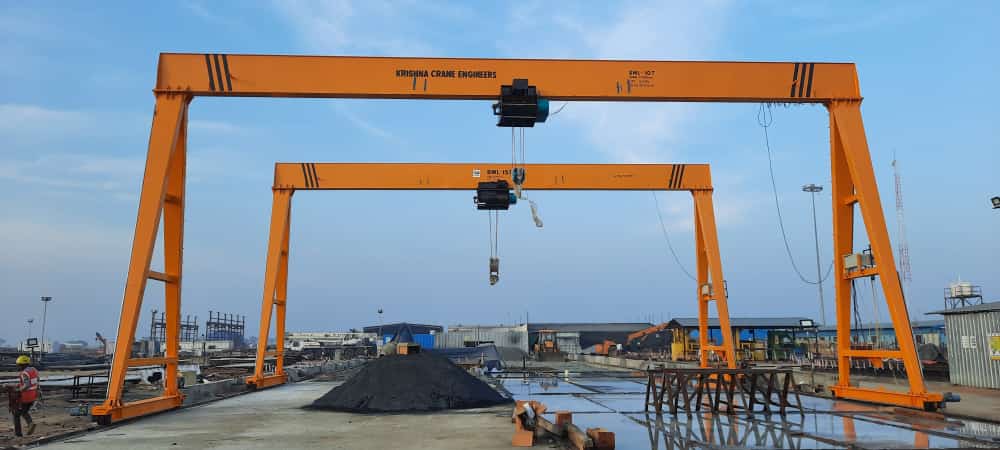
EOT cranes are essential material-handling equipment in foundries, chemical plants, steel facilities, fabrication units, and heavy manufacturing industries. They are used for lifting raw materials, components, moulds, machinery, finished products, and other heavy loads.
However, cranes operating in harsh industrial environments face conditions that can accelerate wear and affect equipment performance. High temperatures, dust, corrosive chemicals, moisture, continuous operation, and heavy loads can place additional stress on mechanical and electrical components.
For industrial facilities in 2026, extending EOT crane lifespan requires more than periodic repairs. A combination of appropriate crane selection, preventive maintenance, regular inspections, proper operation, and environmental protection can help improve reliability and reduce unexpected downtime.
Understanding Harsh Operating Conditions
Before selecting or maintaining an EOT crane, it is important to identify the environmental conditions in which the equipment will operate.
Foundries may expose cranes to:
- High ambient temperatures
- Molten metal heat
- Metal dust and particles
- Heavy and continuous lifting cycles
- Vibrations
- Heat radiation
Chemical plants may present different challenges, including:
- Corrosive vapours
- Chemical exposure
- High humidity
- Moisture
- Potentially hazardous operating zones
- Contamination of electrical components
Understanding these conditions allows plant operators to select suitable equipment and maintenance practices.
1. Select a Crane Suitable for the Duty Cycle
One of the first steps in maximising crane lifespan is choosing equipment that matches the actual operating requirements.
The duty cycle should be evaluated based on lifting frequency, load characteristics, operating hours, load spectrum, and expected travel movements.
A crane used continuously in a foundry may require a different configuration from one used for occasional material handling.
During procurement, discuss the expected duty cycle and working conditions with experienced EOT crane manufacturers in Ahmedabad to ensure that the selected crane configuration is suitable for the intended application.
2. Protect the Crane From Excessive Heat
High temperatures can affect motors, brakes, electrical components, lubricants, cables, and control systems.
Foundry cranes operating near furnaces or molten metal require particular attention to heat exposure.
Depending on the application, manufacturers may recommend suitable heat-resistant components, protective arrangements, specialised cables, and appropriate motor or electrical configurations.
Plant operators should also monitor areas where excessive radiant heat could affect crane components.
Regular inspection can identify heat-related deterioration before it develops into a major failure.
3. Control Dust and Contamination
Foundries often generate dust, metal particles, and other contaminants that can accumulate on crane components.
Dust accumulation around motors, brakes, electrical panels, and moving mechanisms can contribute to overheating, wear, or reduced performance.
Regular cleaning should therefore be part of the preventive maintenance schedule.
However, cleaning methods should be selected according to the component and manufacturer’s recommendations. Improper cleaning techniques can introduce moisture or damage sensitive electrical equipment.
4. Use Corrosion Protection in Chemical Plants
Corrosive environments can significantly affect crane structures and components.
Regular inspection should focus on structural members, fasteners, wire ropes, electrical enclosures, control panels, and other exposed parts.
Where appropriate, corrosion-resistant materials, protective coatings, suitable enclosures, and environmental protection measures can help reduce deterioration.
Any visible corrosion should be assessed promptly rather than being ignored until structural integrity becomes a concern.
5. Follow a Preventive Maintenance Schedule
Preventive maintenance is one of the most effective ways to identify developing problems before they result in unexpected downtime.
A maintenance programme should cover critical crane components such as:
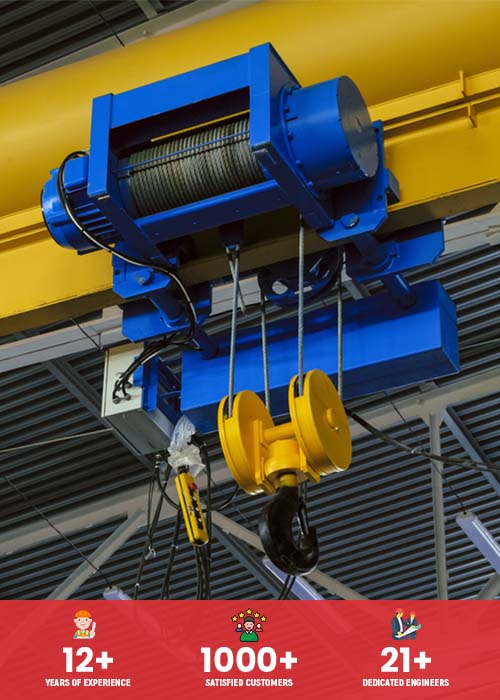
- Hoist mechanisms
- Wire ropes
- Hooks
- Brakes
- Gearboxes
- Bearings
- Motors
- Wheels
- Electrical panels
- Limit switches
- Control systems
- Structural components
Inspection frequency should reflect the crane’s operating conditions, usage, and manufacturer’s recommendations.
6. Inspect Wire Ropes and Hooks Regularly
Wire ropes and hooks are critical load-bearing components and should receive particular attention.
Inspect wire ropes for signs such as broken wires, deformation, corrosion, kinking, or abnormal wear.
Hooks should also be checked for cracks, deformation, excessive wear, and other visible abnormalities.
If a component reaches the manufacturer’s specified inspection or replacement criteria, it should not continue operating simply to avoid maintenance costs.
Replacing a worn component at the appropriate time can help prevent more serious equipment problems.
7. Monitor Brakes and Limit Switches
Brakes are essential for controlled lifting and load positioning. Excessive wear or incorrect adjustment can affect crane operation.
Limit switches also play an important role by helping prevent movement beyond specified operating limits.
During maintenance inspections, these components should be tested according to the manufacturer’s procedures.
Any abnormal noise, delayed stopping, excessive movement, or inconsistent operation should be investigated promptly.
8. Maintain Electrical Systems Properly
Harsh environments can be particularly challenging for electrical components.
Moisture, dust, heat, and corrosive vapours can affect electrical panels, cables, connections, sensors, and control systems.
Electrical enclosures should be inspected for damage, contamination, moisture ingress, and loose connections.
Where the operating environment requires additional protection, suitable enclosure ratings and component specifications should be considered during crane design and installation.
9. Train Crane Operators
Equipment maintenance alone cannot maximise crane lifespan. Operating practices also have a direct effect on wear and reliability.
Operators should be trained to:
- Avoid overloading
- Use appropriate lifting procedures
- Avoid sudden starts and stops
- Keep loads properly balanced
- Follow designated travel paths
- Report unusual sounds or movements
- Follow site safety procedures
Avoiding unnecessary shock loading and incorrect operation can reduce stress on mechanical components.
10. Maintain Proper Lubrication
Lubrication reduces friction and helps protect moving components from excessive wear.
Depending on the crane design, lubrication may be required for gears, bearings, wheels, ropes, and other moving parts.
The correct lubricant, quantity, and maintenance interval should follow the equipment manufacturer’s recommendations.
Both under-lubrication and over-lubrication can create problems, so lubrication should be treated as a controlled maintenance activity rather than an occasional task.
11. Keep Detailed Maintenance Records
Maintenance records provide valuable information about the condition and operating history of an EOT crane.
Records should ideally include:
- Inspection dates
- Components inspected
- Defects identified
- Repairs completed
- Parts replaced
- Lubrication activities
- Load testing
- Safety checks
- Maintenance observations
Tracking recurring issues can help maintenance teams identify patterns and plan corrective action before failures occur.
12. Plan Periodic Professional Inspections
Daily operator checks and routine maintenance are important, but periodic professional inspections provide another layer of equipment assurance.
A qualified inspection team can evaluate mechanical, electrical, structural, and safety-related components and identify problems that may not be obvious during routine operation.
The inspection frequency should be determined according to the crane’s application, operating environment, usage, applicable requirements, and manufacturer’s recommendations.
Conclusion
EOT cranes operating in foundries and chemical plants face demanding conditions that can accelerate component wear and reduce equipment life if they are not properly managed.
In 2026, extending crane lifespan requires a complete approach that begins with selecting equipment suitable for the operating environment and continues with preventive maintenance, component inspection, operator training, corrosion and heat protection, electrical-system care, and professional inspections.
For harsh industrial environments, the goal should not simply be to keep a crane running. A structured maintenance and operating programme can help improve reliability, reduce unexpected downtime, protect critical components, and maximise the useful service life of the equipment.