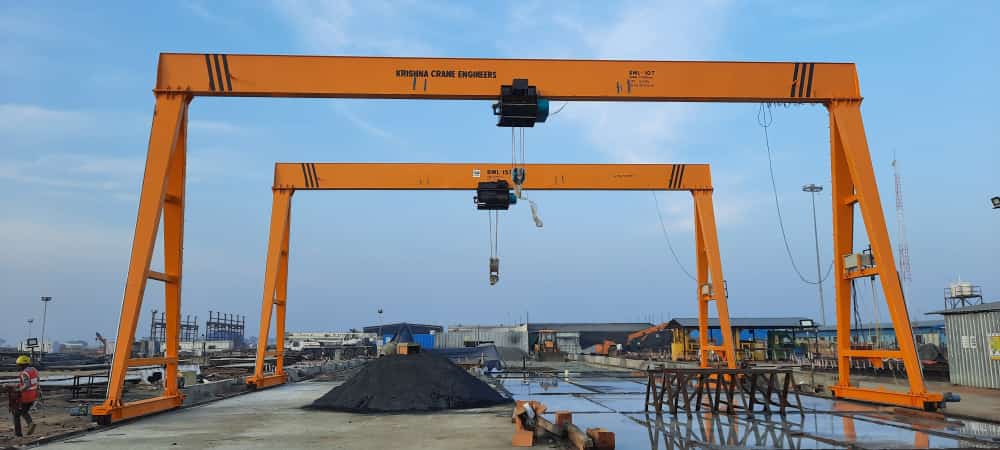

Monsoon Maintenance and Safety Checklist for Industrial EOT Cranes
While the monsoon provides a break from the summer heat, there is an added strain on the factory equipment due to the same reason. The most significant challenge for an EOT crane in monsoon would be the moisture, humidity, water leaks, slippery floors, and sudden power outages.
The factories based out of Ahmedabad, Vadodara, Pune, and Mumbai face similar challenges during the monsoons. A monsoon checklist is sufficient to help you avoid any equipment breakdowns and surprises.
Using the services of reputed EOT crane manufacturers in Ahmedabad can assist you in this regard.
Why Monsoon Maintenance Matters for EOT Cranes
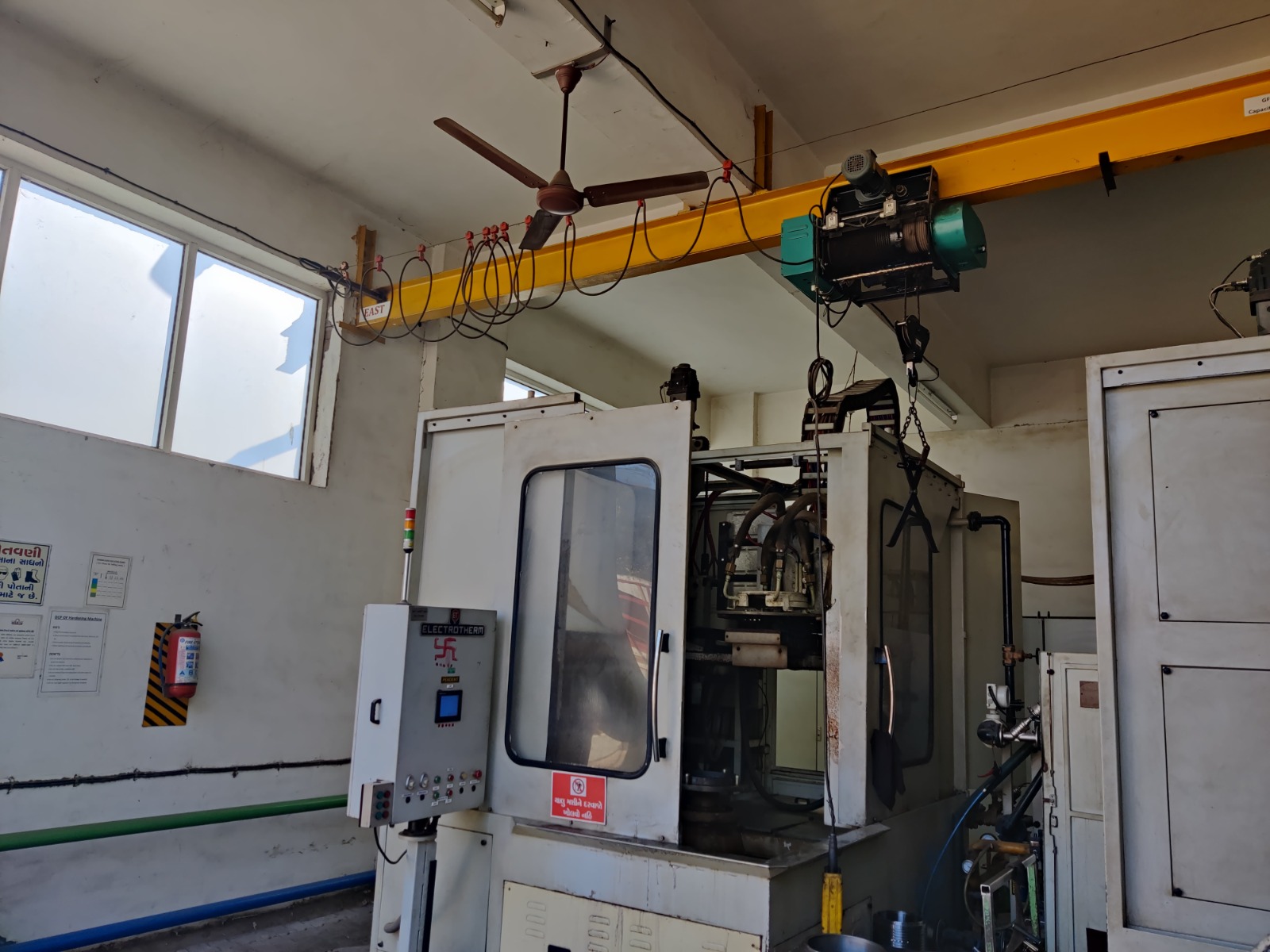
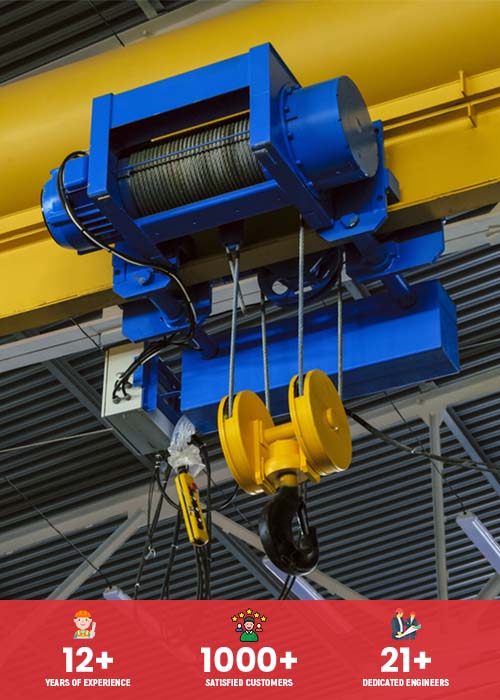
An EOT crane isn’t just one machine. It’s a mix of electrical wiring, mechanical parts, and structural steel, all working together under one roof.
Moisture doesn’t spare any of these. Water in control panels leads to short circuits and corrosion. Damp air speeds up rust on ropes, hooks, gears, and rails.
Wet factory floors add another risk altogether: slips and falls among your maintenance staff.
A little planning now saves a lot of trouble later.
Monsoon EOT Crane Maintenance Checklist
1. Inspect Wire Ropes and Hooks
The wire ropes rust very fast in a humid environment once lubrication wears out.
Examine:
- Damage to wires
- Rusting areas
- Kinking and flattening of ropes
- Damaged hooks
- Failure of safety catch
Use new water-resistant lubricant immediately when you find any signs of rusting. In case there is any damage to any part, replace it rather than repairing it.
2. Check Gearbox Oil and Bearings
Gearbox oil and breathers deserve a proper look before the rains intensify.
- Milky or cloudy oil
- Blocked breathers
- Solidified LT/CT grease
- Unusual bearing noise
Discoloured or milky oil almost always means water contamination, so replace it rather than topping it up. Long-travel and cross-travel wheel bearings also need fresh grease, since solidified grease stops doing its job in humid conditions.
3. Examine Brakes and Hoisting Mechanisms
Brakes control every lift and every stop, so they can’t be an afterthought.
During monsoon checks, watch for:
- Slipping brakes
- Unusual noise
- Excess wear
- Humidity-related slip risk
- Accidental water spray
High humidity or a stray splash near the brake drum can quietly affect grip. If you notice slipping or delayed stopping, get it inspected before the crane goes back to work.
4. Inspect Crane Rails and Runway
Standing water near the runway causes long-term corrosion that’s easy to miss until it’s serious.
Check for:
- Rusted rails
- Damaged wheels
- Slick algae growth
- Poor drainage
- Water pooling
Algae on outdoor rails often gets overlooked, but it hurts wheel traction just as much as rust. Keep the runway free from standing water, mud, algae, and debris, especially near electrical fittings and structural joints.
Electrical Safety Checks Before Monsoon
Electrical parts need the most attention once rain sets in, since water and electricity are a dangerous combination.
- Panel gaskets and seals
- Insulation resistance (IR) values
- Festoon and pendant cables
- Earthing continuity check
- Dust inside contactor panels
Start with control panel gaskets and door seals. A cracked seal that seems harmless in dry weather can let rainwater flood a panel during a heavy spell.
Insulation resistance testing matters just as much. Moisture weakens motor and cable insulation gradually, and a qualified technician measuring IR values can catch trouble before it becomes a short circuit.
Structural and Safety Device Checks
Repair Roof and Shed Leakage
Roof leaks, damaged shed sheets, or open sidewalls near the crane bay should be fixed before the downpours get heavy. Water dripping onto panels or motors causes damage far costlier than a roof repair.
Test Limit Switches
Upper and lower hoisting limits, along with long-travel limit switches, can malfunction once they get wet. Test each one per the manufacturer’s procedure, and never bypass a switch just to keep production running.
Operator Safety Tips for the Monsoon
Maintenance alone isn’t enough. Operators also need to stay sharper during the rainy months.
Before every shift, check:
- Pendant control
- Standing water nearby
- Emergency stop button
- Hook condition
- Rated load limit
And one basic rule that’s easy to forget: never stand under a suspended load, rain or shine.
During a power interruption, operators should follow the site’s shutdown procedure and avoid attempting to move a suspended load unless the crane’s emergency operating procedure specifically permits it.
Practical Monsoon Maintenance Schedule
Daily: Pendant controls, hook, wire rope, brakes, unusual sounds, visible water accumulation.
Weekly: cables, wheels, rails, lubrication points, and electrical enclosures.
Periodic: Insulation resistance, earthing continuity, limit switches, gearbox oil and detailed structural inspection according to the manufacturer’s maintenance schedule.
Always follow your crane manufacturer’s recommended schedule, since operating conditions vary from plant to plant.
Common Monsoon Maintenance Mistakes to Avoid
Ignoring small rust spots — A tiny patch today can spread across the whole component within weeks of humid weather.
Skipping insulation testing — Assuming panels are fine without an IR check is a common, costly mistake.
Using damaged cables — Taping over a worn festoon cable isn’t a fix. It’s a hazard waiting to happen.
Bypassing limit switches — Ignoring the faulted switch in order to save time jeopardizes the entire lifting procedure.
Overlooking the workplace — Bad lighting, dirty floors, and blocked drains are just as risky as a malfunctioning component of the crane.
How to Choose the Right Maintenance Support
While choosing EOT crane manufacturers in Ahmedabad, one should consider their expertise, availability of genuine components, after-sale service, and awareness about the norms of industrial safety.
A maintenance company is not merely a company that repairs defects. They will be able to diagnose repeated faults and recommend improvement.
Conclusion
Maintenance of the EOT crane during monsoon is not simply about cleaning off the rust spots; there is also attention to the electric systems of the crane, including insulation and earthing testing and limit switch testing, as well as taking care of the lifting mechanisms and structures.
Regular inspection will help to spot smaller issues that might result in bigger problems and danger. Take all manufacturer’s recommendations into account and always deal with issues as soon as you spot them.
If you need any professional assistance with the maintenance and inspection of your EOT crane, contact the team at Hoistsandcrane. EOT crane manufacturers in Ahmedabad are ready to offer you reliable products in all situations.
FAQ
- Why is monsoon maintenance necessary for EOT cranes?
Rain and moisture make it difficult to have electrical issues, corrosion, and slippery environments. Routine maintenance helps in identifying such issues well ahead of time and making the required repairs. - How often should an EOT crane be inspected during monsoons?
The frequency of inspection is daily, weekly, and periodic, according to usage and instructions from the manufacturer. - Why is an insulation resistance test necessary in monsoon?
Insulation of motors and cables gets affected by moisture which leads to leakage current. Therefore, insulation resistance tests become very necessary. - Are limit switches given any special importance in monsoon?
Yes, limit switches used for hoisting and travel get affected by moisture during monsoon; therefore, they have to be tested regularly. - How can the EOT crane manufacturers in Ahmedabad help you in monsoon season?
It can provide maintenance services, safety checks, genuine spares, and expert advice to make your crane functional during monsoon.