
Planning an Overhead Crane Before You Build Your Factory
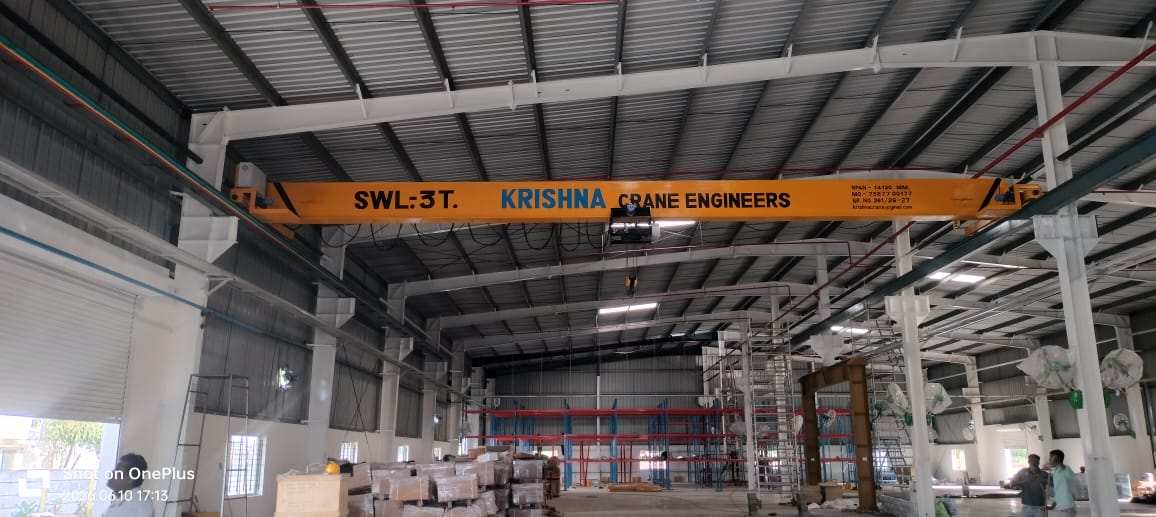
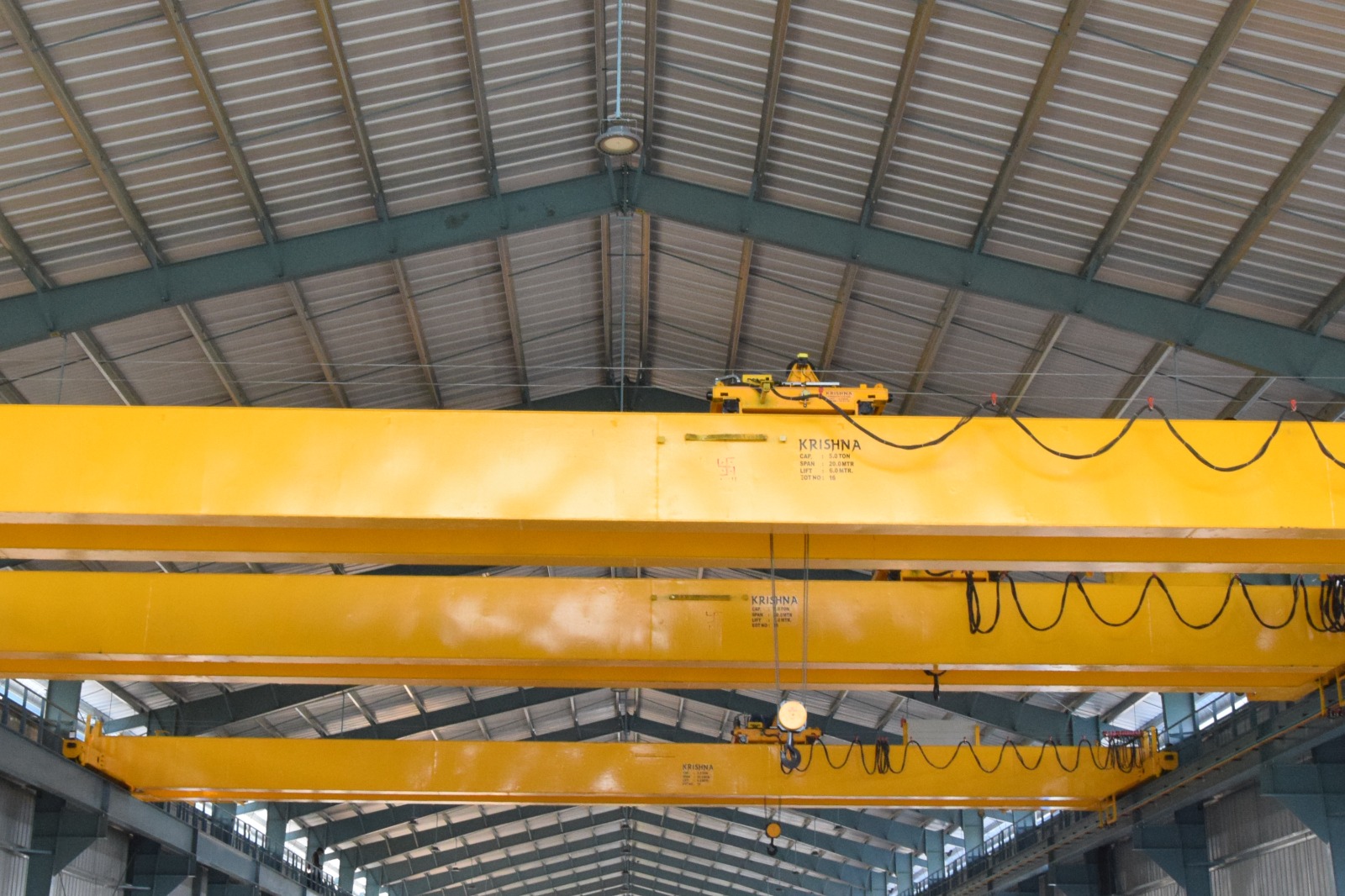
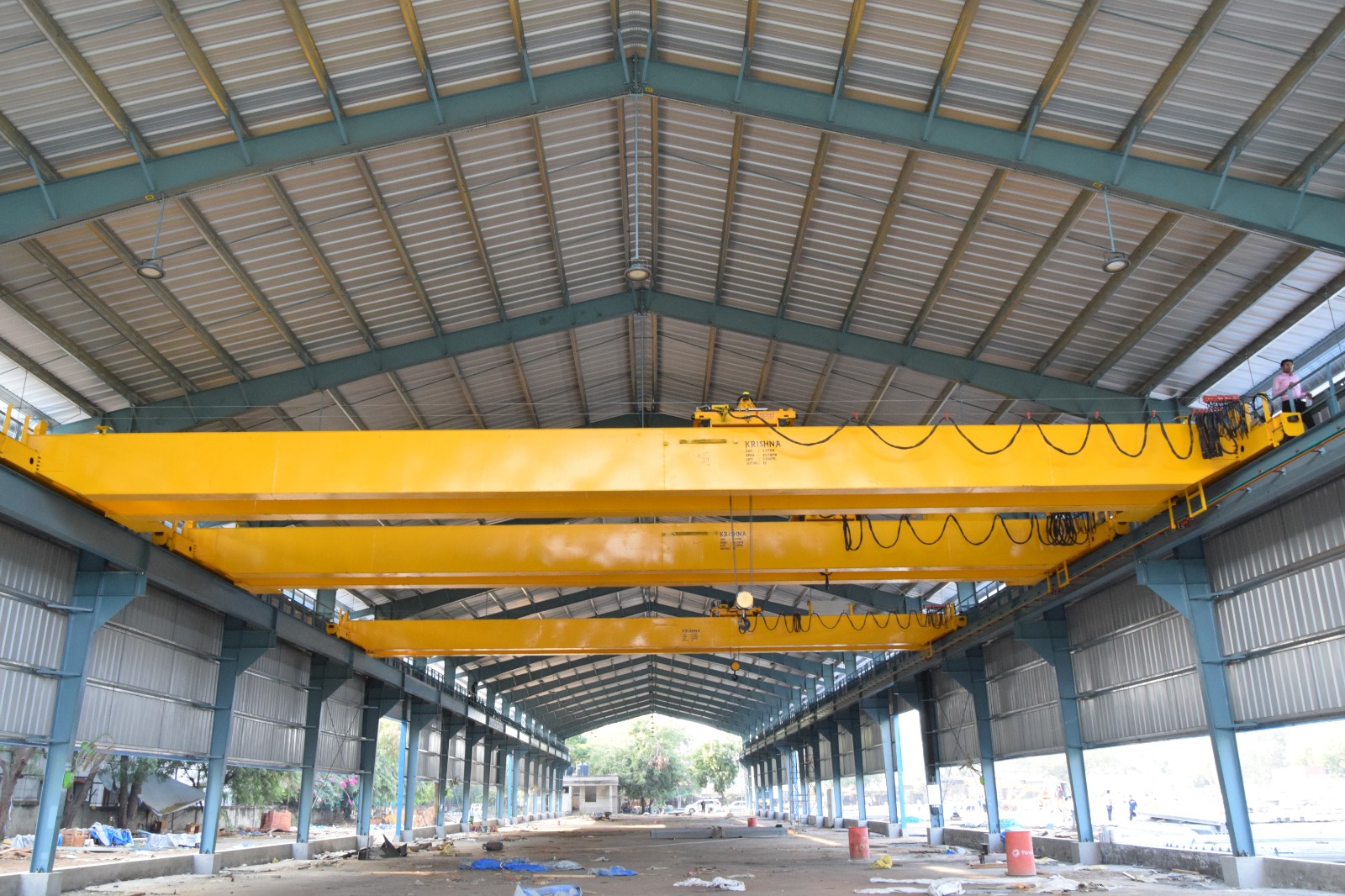
When someone plans a new factory building, most attention goes to land, machines, and layout. Very few people think deeply about the crane until the structure is already rising. That is where many costly mistakes begin. An overhead crane is not something you simply install later without planning. It affects the height of the shed, the strength of columns, and even the foundation design. If you are working with an EOT crane manufacturer in India, these discussions must start before civil work begins. Early planning saves money, avoids redesign, and prevents delays that can frustrate everyone involved.
Understanding the Exact Load Requirement
Before drawing the first column on paper, you need to decide the lifting capacity. Many factory owners either oversize or undersize their crane. Both are problems. If the capacity is too low, future expansion becomes difficult. If it is too high, the structure cost increases without reason. Think clearly about the heaviest load you will lift, how often it will move, and whether two loads may be handled together. Also consider dynamic load, not just static weight. Lifting creates impact forces. Civil engineers need this data to design beams and foundations strong enough to handle real working conditions safely.
Deciding the Span and Bay Length
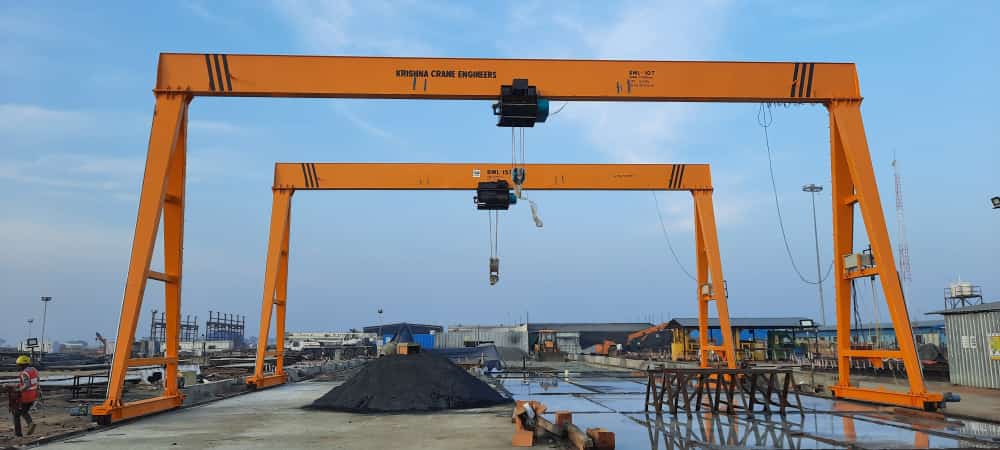
Span means the distance between the runway beams where the crane travels. This decision depends on your factory width and machine layout. If span is wrong, material flow becomes inefficient. You may struggle to move loads from one side to another. Bay length also matters because it affects how many columns will support the crane runway. Fewer columns may reduce obstruction but increase beam size and cost. More columns may reduce beam cost but affect internal space usage. This balance must be finalized before foundation casting begins. Once columns are built, changing span becomes expensive and messy.
Fixing the Hook Height and Building Height
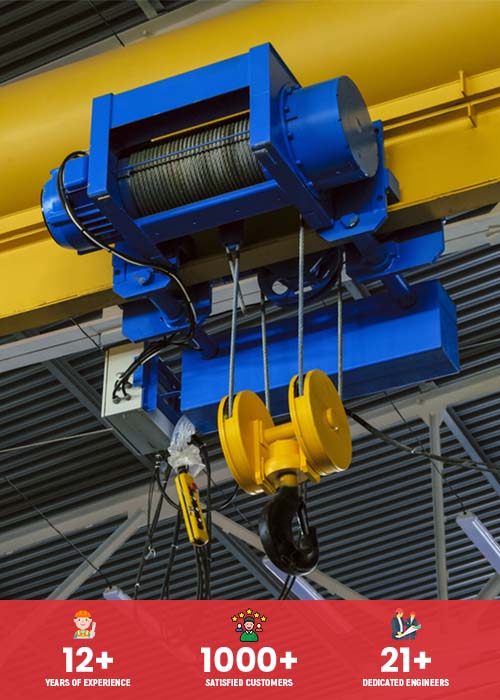
Hook height is one of the most ignored points during early planning. It is the maximum height the hook can reach. If the building is too low, you may not be able to lift tall machines or stack materials properly. You must calculate load height, lifting sling space, hook block height, and safety clearance. All these add up. The total building height should be planned accordingly. Increasing roof height later is nearly impossible without major rework. Proper headroom planning also ensures smooth crane movement without collision with roof trusses or lighting fixtures.
Selecting Crane Duty and Working Class
Not all cranes work in the same way. Some lift occasionally, while others operate continuously throughout the shift. Duty classification defines how heavy and how frequent the lifting will be. A workshop crane has different duties compared to a steel plant crane. Civil structure design changes based on this. Higher duty cranes create more vibration and fatigue in beams. If duty is underestimated, structural wear can happen early. It is better to discuss the expected daily operating hours, number of lifts per hour, and load cycles. These details help engineers choose correct beam size and material grade.
Planning Runway Beam and Column Strength
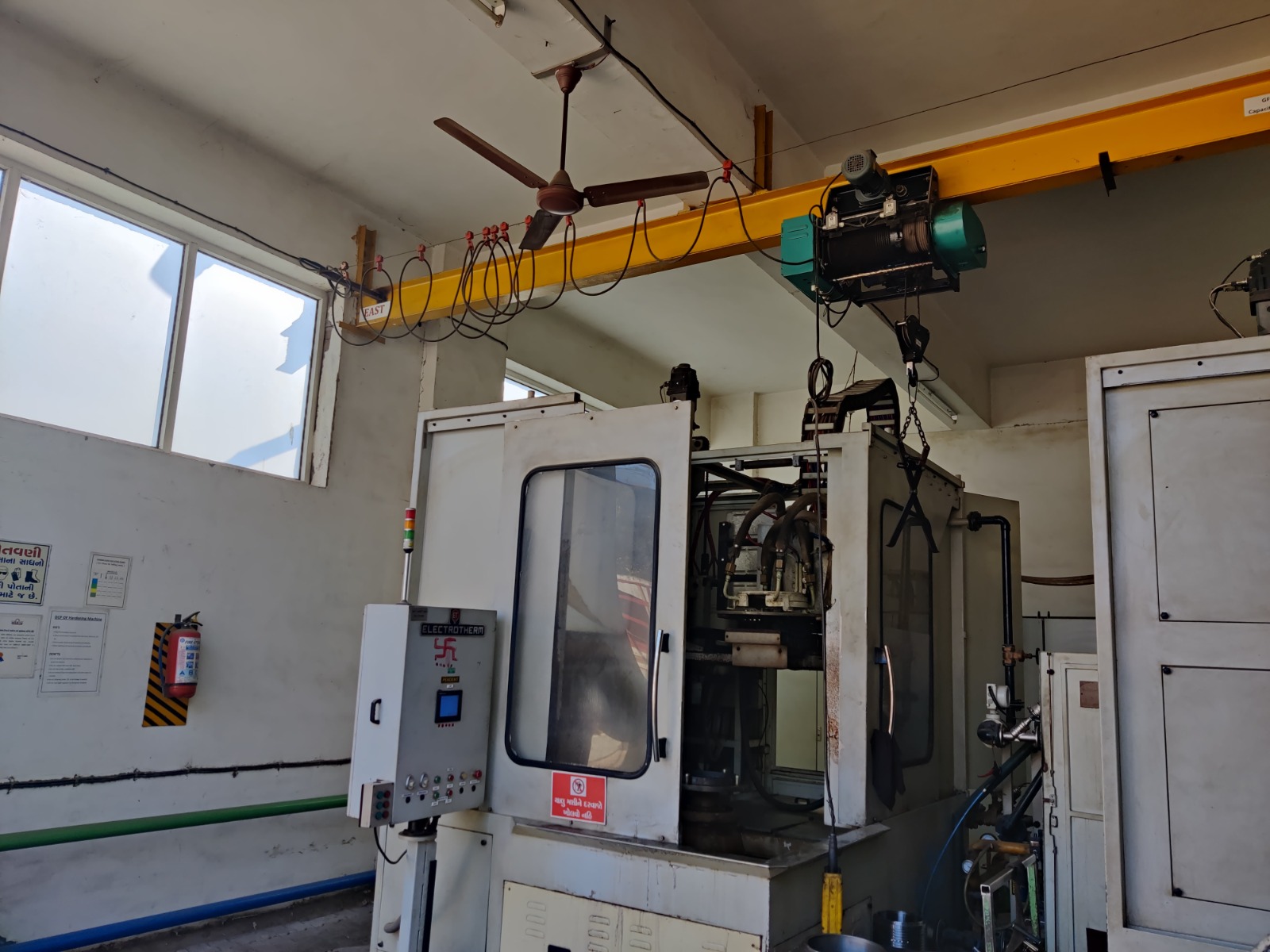
The runway beam carries the moving crane load. It must handle vertical load, lateral load, and braking forces. When the crane moves and stops, horizontal force acts on the structure. Columns must resist these forces safely. If civil design ignores these factors, cracks may develop over time. Proper anchor bolts and base plates should be considered in foundation drawings. Alignment tolerance must also be maintained because crane rails need proper leveling. Once concrete is poured, correcting misalignment becomes difficult. So coordination between crane supplier and civil engineer is not optional. It is essential from day one.
Electrical and Power Supply Arrangements
An overhead crane needs proper power supply. If space is not reserved, electrical routing becomes complicated. Also think about power rating, isolation switches, and emergency stop location. The panel room should not be too far from the crane line. Proper earthing arrangement must be included in the foundation stage itself. Ignoring electrical layout early often results in exposed wiring or unsafe adjustments later. Clean planning keeps the system safe and easy to maintain.
Conclusion
Planning an overhead crane is not a last minute activity. It is a structural decision that shapes the entire factory building. From load capacity to hook height, from duty cycle to runway beam strength, every detail affects civil design. If you fix these points before construction starts, your project moves smoothly without costly redesign. Careful coordination, simple calculations, and early discussion make a big difference. A well planned crane system improves safety, efficiency, and long term growth. So before you pour concrete, sit down with your team and finalize every crane detail properly.