
ROI of Installing an EOT Crane in a Manufacturing Plant
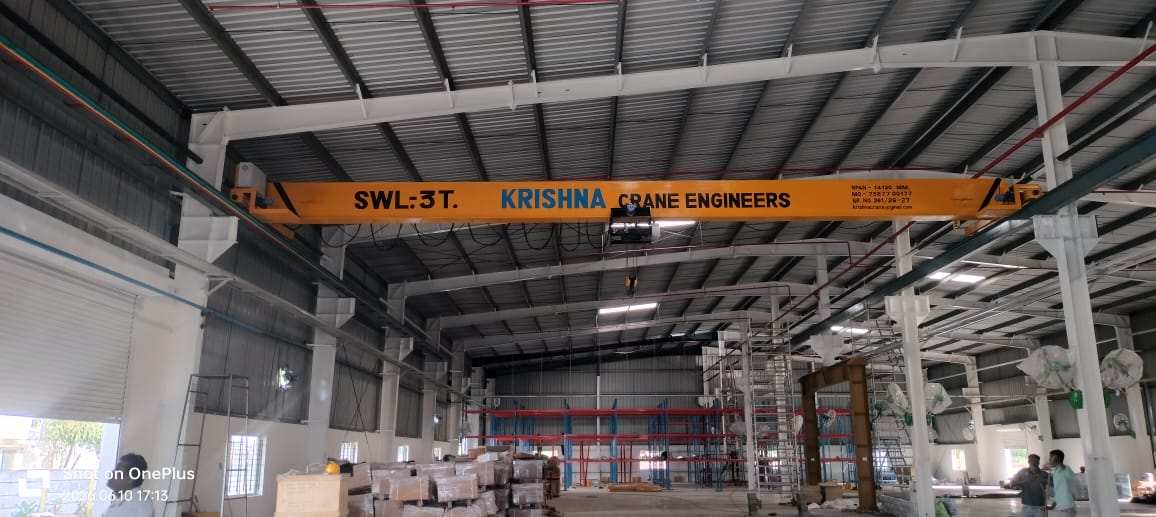
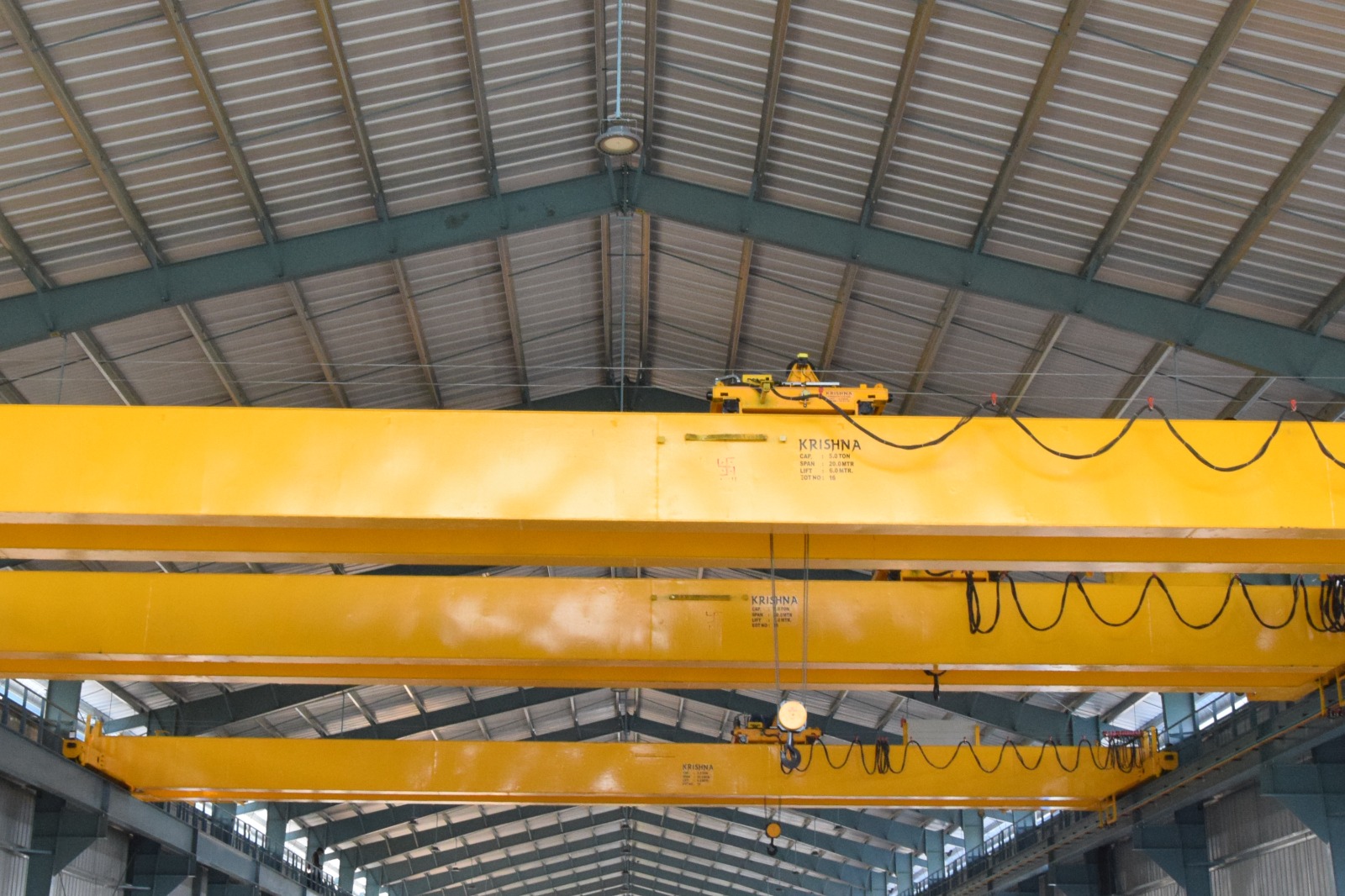
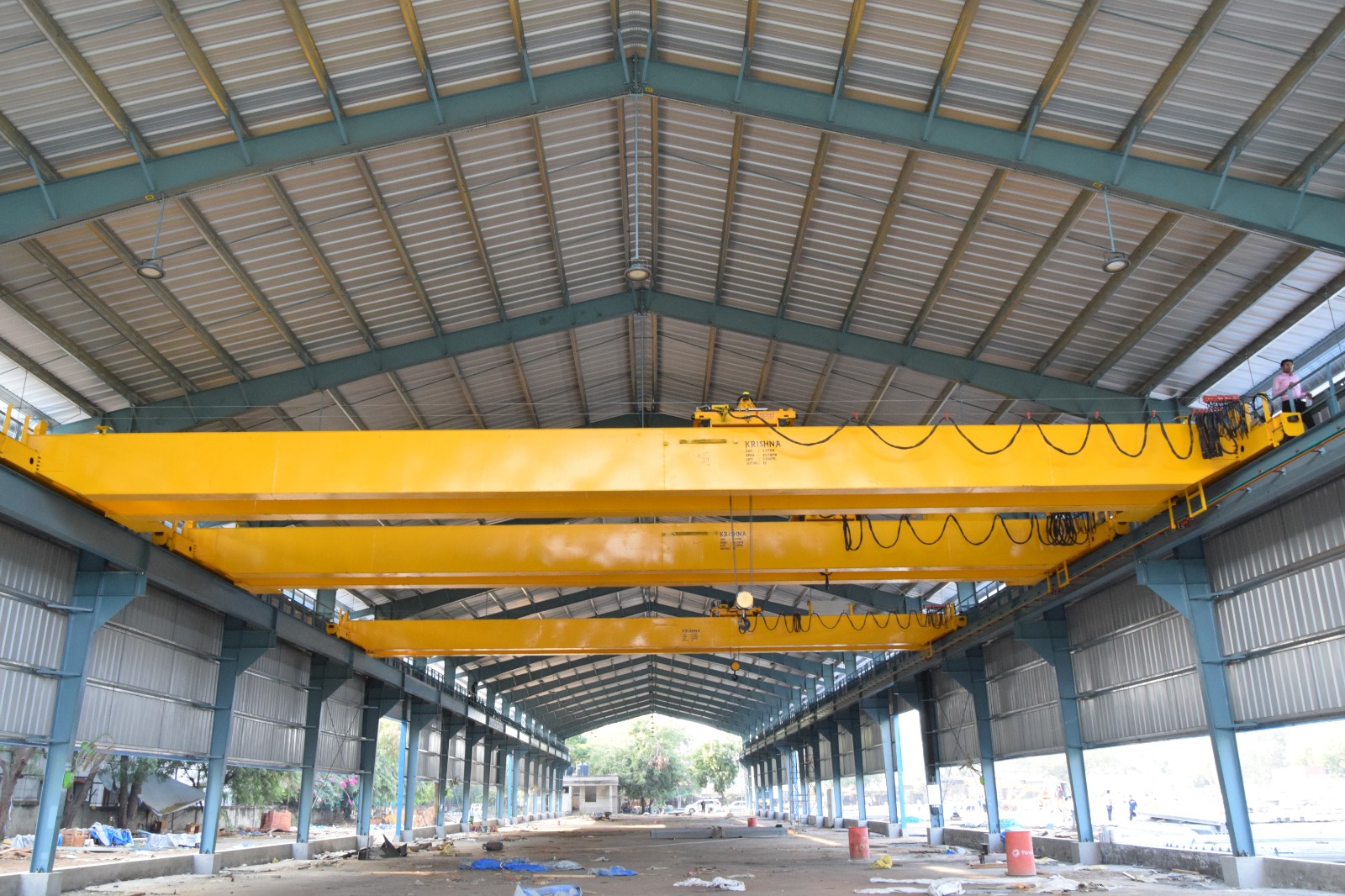
Every company that manufactures products looks for ways of increasing productivity and decreasing costs. One investment that quietly delivers on all three fronts is the Electric Overhead Travelling (EOT) crane. Yes, the upfront cost can look steep on paper. But once you factor in the labour saved, the downtime avoided, and the sheer volume of material moved without a scratch, the numbers start telling a different story.
Whether you’re running a fabrication unit, a steel plant, a warehouse, or an automotive assembly line, an EOT crane changes how your daily operations flow. This guide breaks down exactly how businesses see real ROI when they invest in the right lifting setup and why picking the right EOT crane manufacturer in India makes all the difference to that return.
What Is ROI in Material Handling?
Return on investment isn’t just about the money you make back. For an EOT crane, it shows up in a handful of practical ways:
- Faster production cycles
- Less manual labour
- Lower maintenance bills
- Safer work environment
- Smarter space usage
- Fewer damaged goods
- Higher overall efficiency
A crane that’s built well for your plant tends to pay for itself simply by making everything else run smoother.
- Increased Productivity
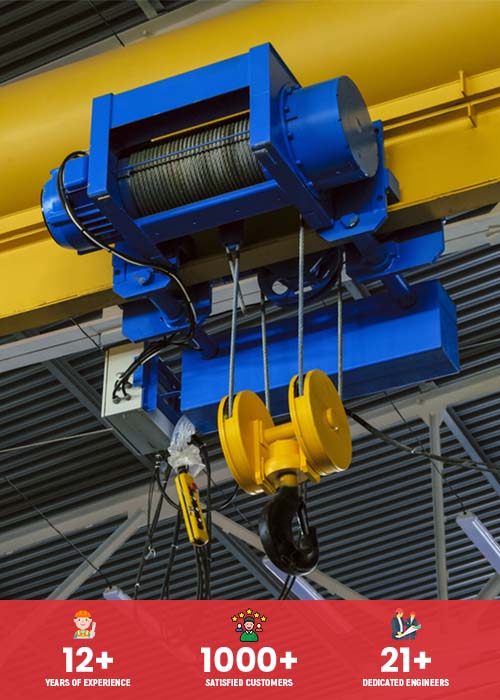
The biggest win with an EOT crane is speed. Heavy loads that once needed several forklifts and a lot of patience can now be lifted, moved, and placed with one operator at the controls.
For example, think of a fabrication shop where metal sheets or moulds are moved from station to station; work that used to take half a shift now only takes a few minutes. That kind of time saved adds up fast, and it’s the first place ROI shows itself.
- Lower Labour Costs
Manual handling usually means pulling in extra hands just to move something safely. An EOT crane changes that equation: one trained operator can do the work of several.
That translates into:
- Fewer workers needed
- Less overtime spent
- Better use of your team
- More hands-on real production work
Stretch this saving across a year or two, and it becomes one of the biggest contributors to your ROI.
- Reduced Material Damage
Industrial components aren’t cheap, and a dropped load or a bad handling accident can set production back by days. The EOT crane lifts with utmost precision and control, minimizing:
- Dropped loads
- Equipment damage
- Deformation of the product
This ensures that your inventory is safe, resulting in minimal costs for replacement.
- Better Workplace Safety
Accidents caused by heavy loads are always expensive but also disruptive, and you don’t want your workplace to be unsafe. Today’s EOT cranes come loaded with protective features:
- Overload protection
- Limit switches
- Emergency stop systems
- Reliable braking
- Smooth lift controls
Fewer accidents mean lower insurance premiums and far fewer unplanned stoppages on the floor.
- Maximum Space Utilisation
Forklifts need floor space to manoeuvre. EOT cranes don’t — they work overhead, freeing up your factory floor entirely.
That opens up:
- More room for workers
- Extra storage space
- Better factory layout
- Smoother production flow
- Less floor congestion
You get more out of your existing facility without spending a rupee on expansion.
- Faster Production Cycles
In manufacturing, time really is money. When materials move quickly between stages, your whole cycle shortens.
An EOT crane speeds things up at every stage:
- Loading
- Assembly
- Fabrication
- Machining
- Packaging
- Dispatch
Shorter cycles mean you can take on more orders in the same window — and that directly boosts revenue.
- Lower Equipment Maintenance Costs
A well-built, well-maintained EOT crane tends to outlast and outperform a fleet of forklifts and manual equipment. Routine servicing keeps things running without surprises:
- Fewer breakdowns
- Less production downtime
- Reduced emergency repairs
- Lower spare part costs
This is exactly why working with a manufacturer that offers an Annual Maintenance Contract (AMC) matters so much long-term.
- Long Service Life
The well-designed EOT crane is not a temporary solution; rather, it is designed for longevity through proper maintenance and care. This longevity results in:
- Consistent lifting ability
- Low cost for replacements
- Reliability
- Long-term asset value
And it is this longevity that makes for the actual return on investment (ROI).
- Improved Operational Efficiency
An efficient crane not only lifts but works well within the complete process flow. This includes:
- Constant flow of materials
- Minimal downtime
- Accurate positioning of loads
- Faster loading and off-loading
- Improved coordination among teams
All of which results in a plant that functions more efficiently overall.
- Supports Business Growth
As your orders increase, your material handling must be able to keep up. An EOT crane sets you up for what’s next:
- Higher production volumes
- Bigger machinery
- Heavier loads
- New production lines
- More warehouse capacity
Instead of overhauling your entire handling system down the road, you scale with what you already have.
Industries That Benefit Most from EOT Cranes
EOT cranes show up across a wide range of sectors, including:
- Steel plants
- Engineering workshops
- Heavy fabrication units
- Automobile manufacturing
- Textile mills
- Cement plants
- Warehouses and logistics
- Power plants
- Pharmaceutical manufacturing
- Machinery manufacturing
In every one of these, better material handling means better output and better margins.
Factors That Influence ROI
A few things decide how fast your investment starts paying off.
Choosing the Right Capacity
Selecting a crane that matches your real load requirements, neither below nor above, helps you save money and run things smoothly.
Effective Crane Design
A custom-designed crane will be much better than a general-design crane based on the arrangement of your factory.
Preventive Maintenance
Regular maintenance service will help you prevent breakdowns and increase the life span of the crane.
Expertise of Operators
Professional operators ensure safe lifting and long life of the equipment.
Trusted Manufacturer
Going for an experienced manufacturer of EOT crane in India will help you get quality products with quality services.
Why Choose Krishna Crane Engineers?
An EOT crane is a long-term investment, and the manufacturer you choose plays a huge role in how quickly and how well that investment pays off.
Krishna Crane Engineers has been manufacturing tailor-made material handling systems for various Indian industries since 2005, and here is what they have to offer:
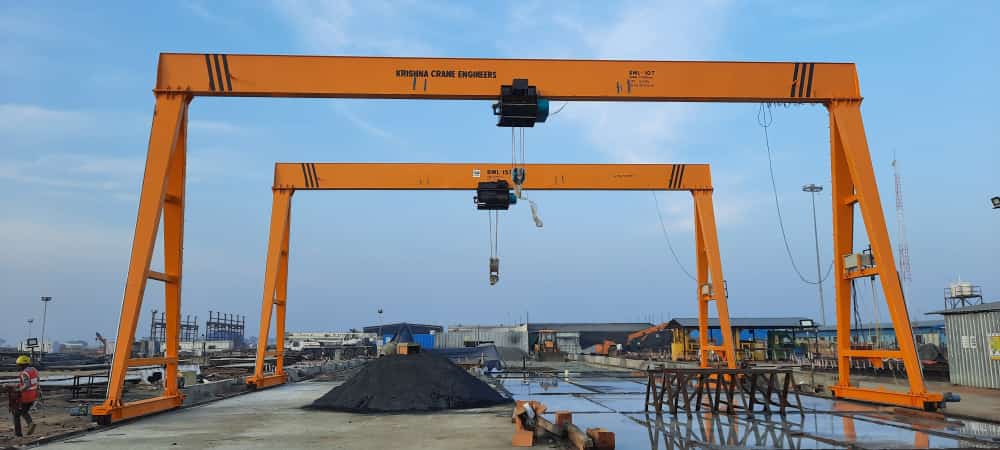
- Custom Single & Double Girder EOT Cranes
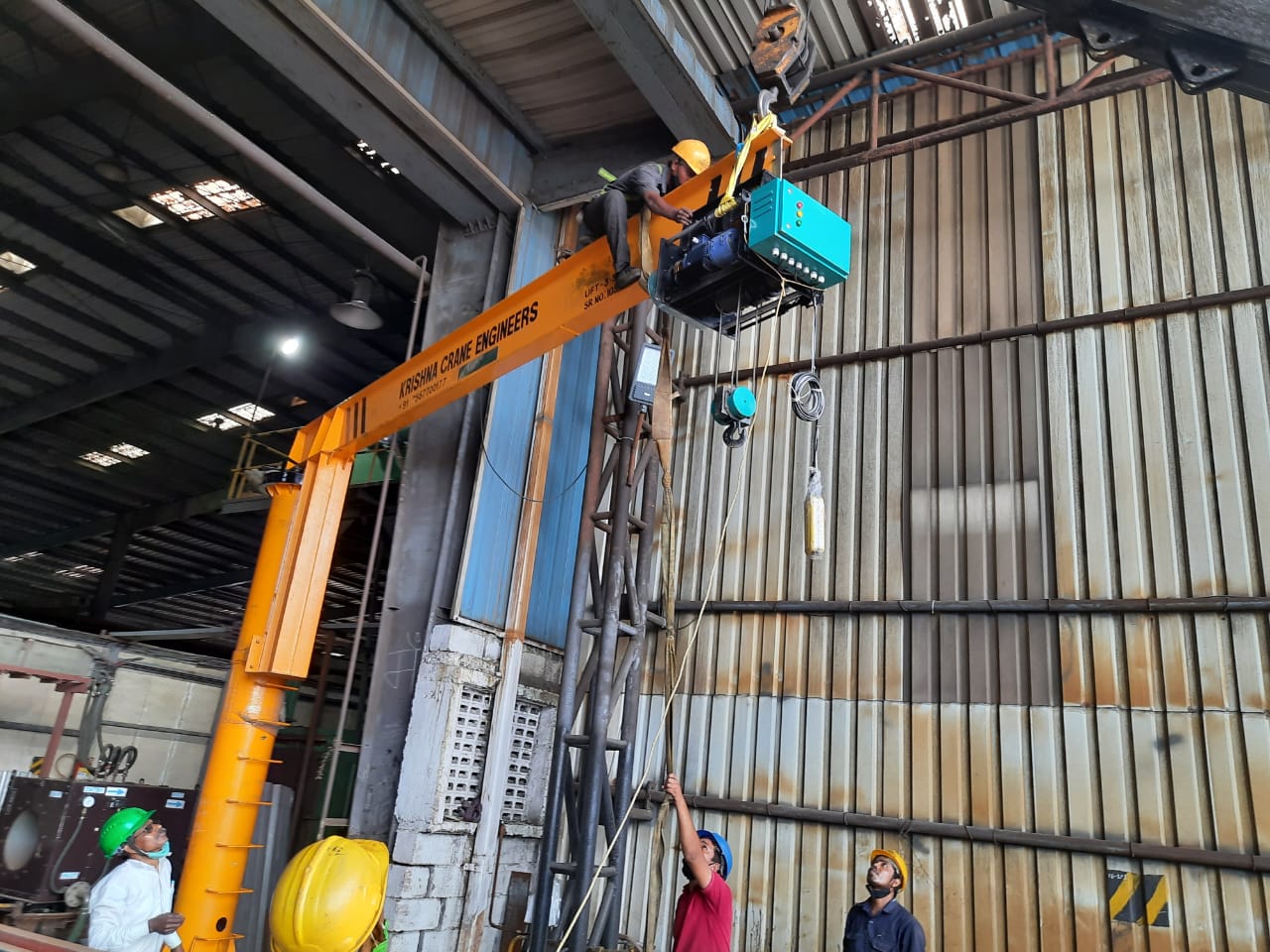
- Gantry Cranes, JIB Cranes, Goods Lifts, & Wire Rope Hoists
- Manufacturing through Industry Standard Components
- Installation & Commissioning Assistance
- Annual Maintenance Contracts (AMC)
- Availability of Spare Parts
- Technical Assistance
- Material handling systems that are tailored to suit your requirements.
Through their customer interactions and services, they help make your plant safe, efficient, and fast.
Conclusion
The purchase of an EOT crane does not represent any simple equipment purchase for the workshop but a much larger investment which will help your factory perform better for many years to come through reduction in labour costs, decrease in incidents and wastage of materials, and smart utilisation of space.
When a business opts for the installation of a high-quality custom crane manufactured by a leading EOT crane manufacturer in India, it does not only get excellent lifting equipment but also a business partner that can contribute to your further development. When you decide to upgrade your lifting technology, you should certainly consider cooperating with a reliable company like Krishna Crane Engineers.