
Signs Your Hoist Needs Immediate Repair
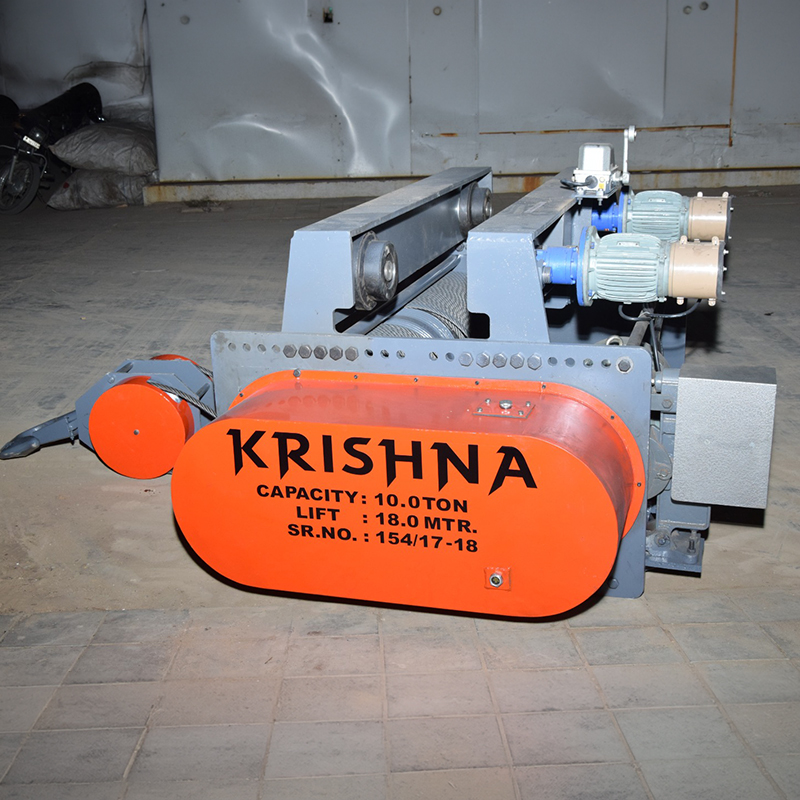
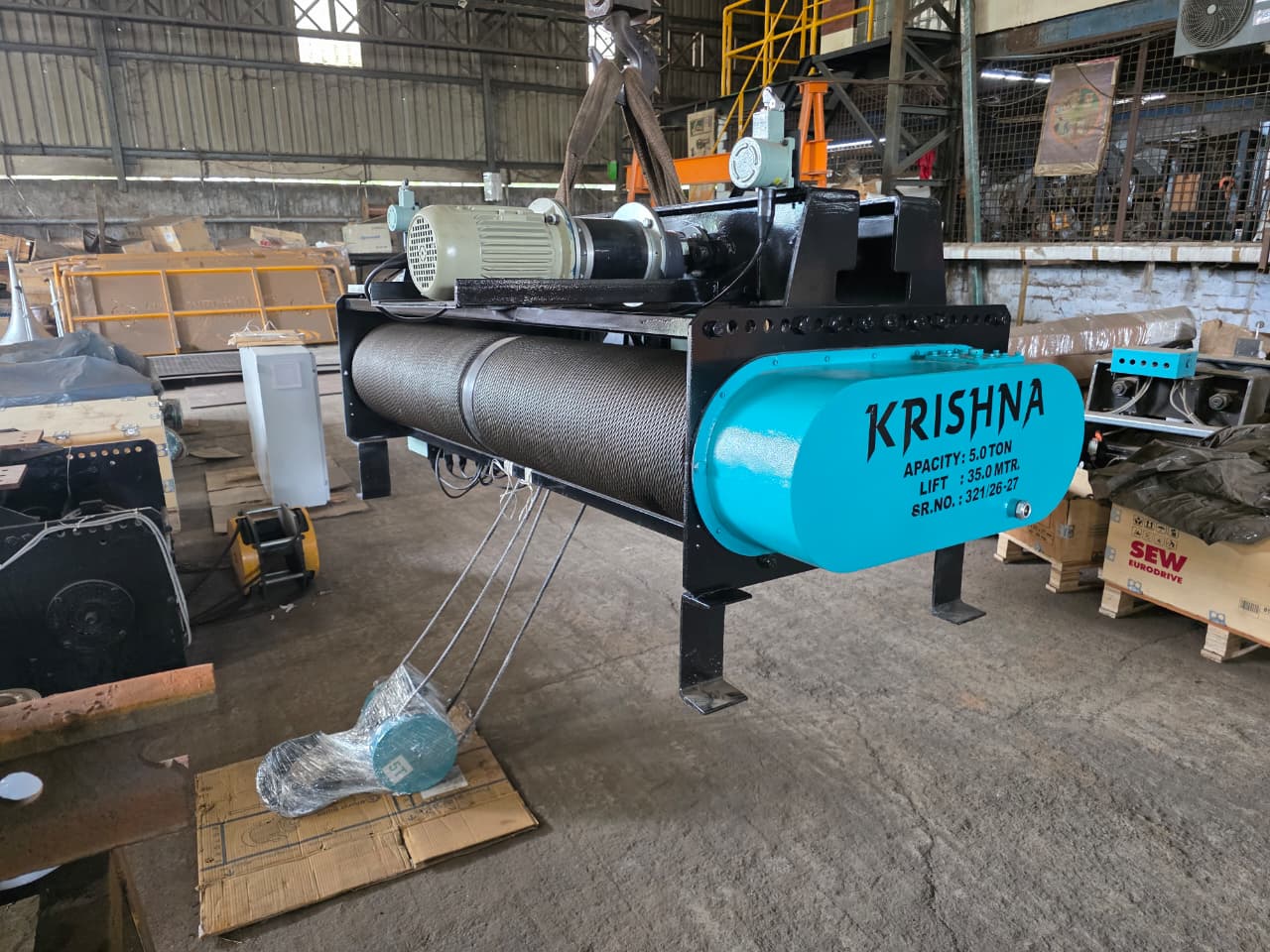
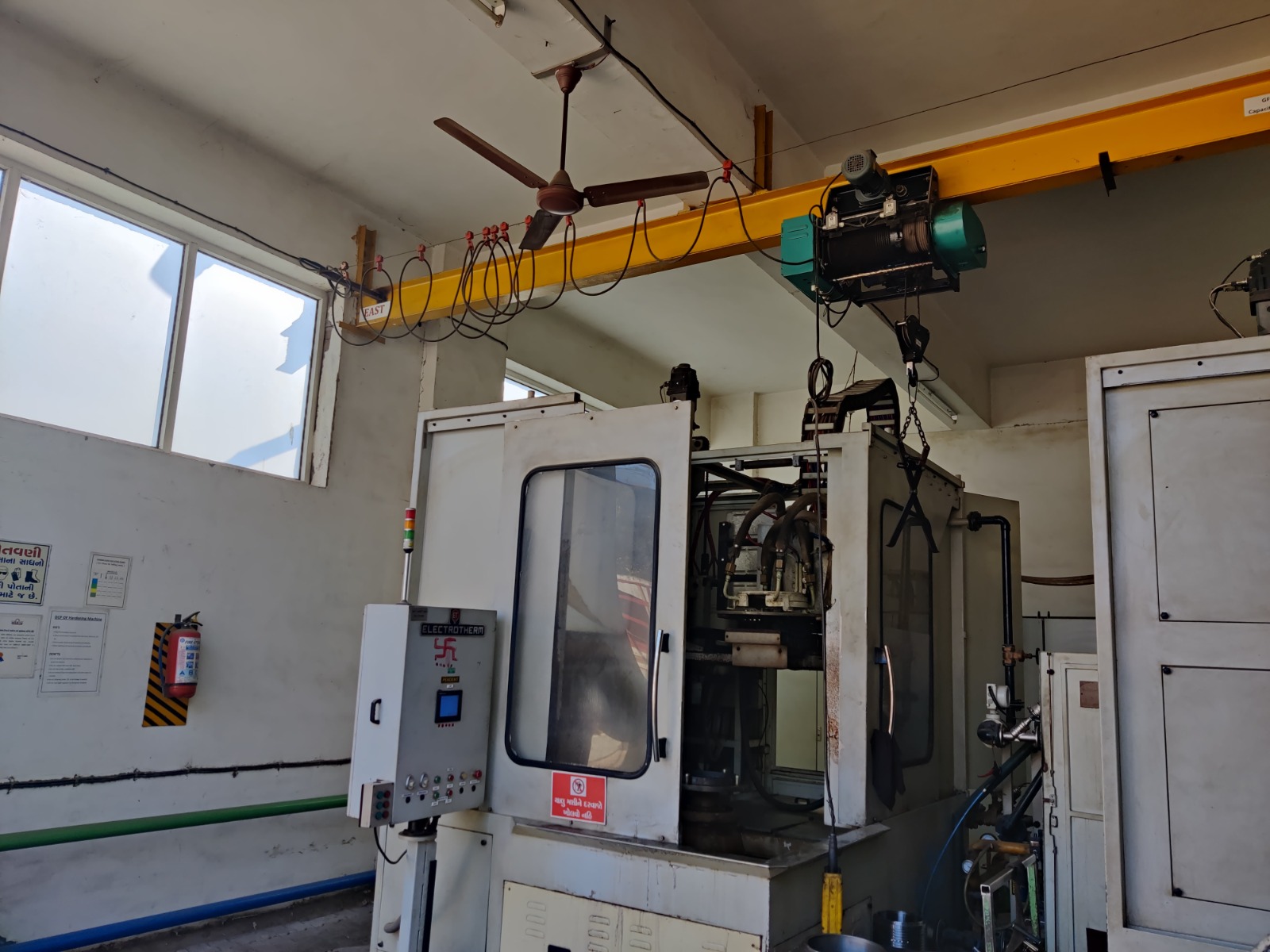
In every industrial setup, hoists play a crucial role in safe and efficient material handling. Whether used in factories, warehouses, engineering workshops, textile units, or manufacturing plants, hoists help lift and move heavy loads with ease.
However, like any industrial equipment, hoists require regular maintenance and timely repairs to ensure smooth performance. Ignoring early warning signs can lead to sudden breakdowns, production delays, costly repairs, and even serious safety hazards.
For businesses across India, identifying the signs your hoist needs immediate repair can help prevent downtime and protect workers as well as machinery.
In this blog, we will discuss the major warning signs that indicate your hoist needs urgent attention.
Why Timely Hoist Repair Is Important
A hoist operates under constant mechanical stress.
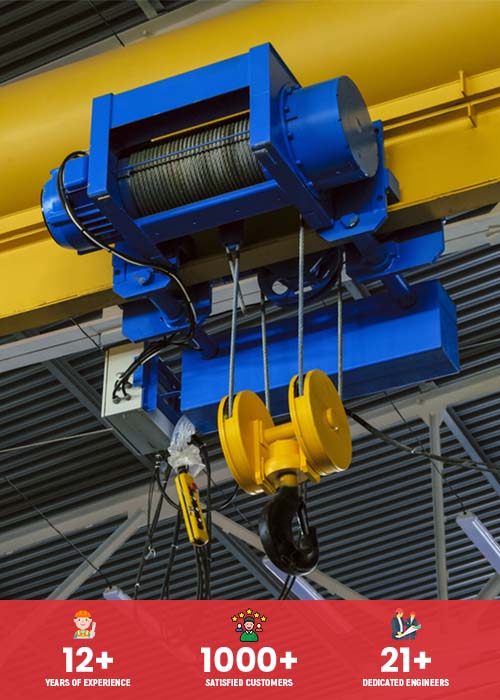
Over time, components such as:
- wire ropes
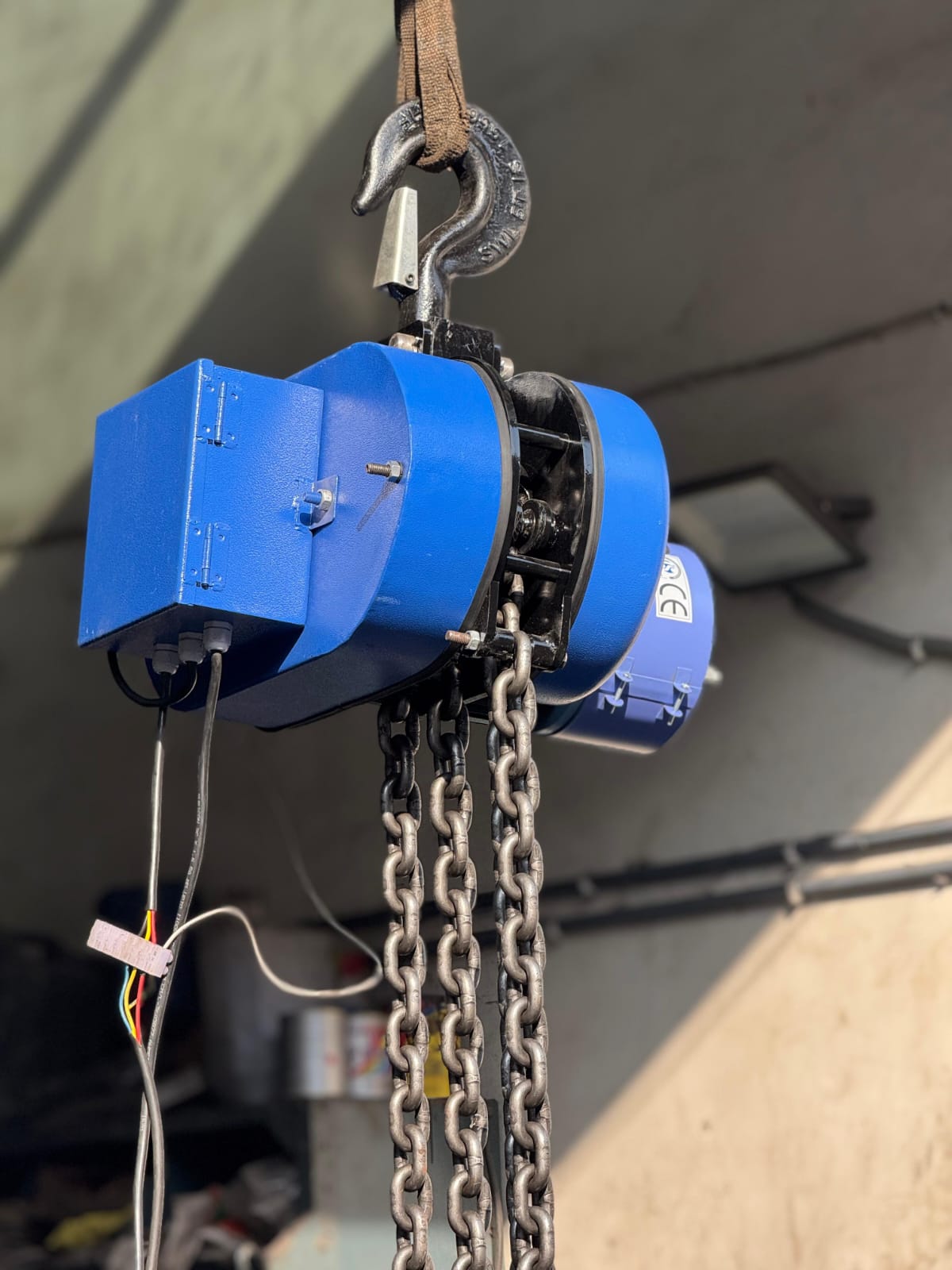
- chains
- gears
- brakes
- motors
- hooks
- limit switches
can wear out.
If minor issues are ignored, they can quickly turn into major failures.
Immediate repair helps in:
- preventing accidents
- reducing downtime
- increasing equipment life
- avoiding expensive replacement
- maintaining operational safety
For industries where lifting is a daily task, timely repair is not optional — it is essential.
1. Unusual Noise During Operation
One of the first signs that your hoist needs repair is unusual noise during lifting or trolley movement.
If you hear sounds such as:
- grinding
- squeaking
- rattling
- knocking
- metallic scraping
it may indicate issues in internal components.
Common causes include:
- worn-out bearings
- loose gear assemblies
- insufficient lubrication
- damaged chain or rope guide
- motor problems
A hoist should run smoothly with minimal sound.
Any sudden increase in operational noise should be inspected immediately.
2. Jerky or Uneven Lifting Movement
A properly functioning hoist lifts loads in a smooth and controlled manner.
If the load moves with sudden jerks, uneven speed, or vibration, it is a strong indication of a mechanical or electrical issue.
This may happen because of:
- motor malfunction
- damaged gearbox
- worn chain links
- rope drum issues
- faulty brakes
Jerky movement increases the risk of load swing and worker injury.
Immediate repair is necessary to restore safe operation.
3. Slipping or Load Drifting
This is one of the most critical warning signs.
If the hoist is unable to hold the load in a fixed position and the load slowly drifts downward, the braking system may be failing.
Possible reasons include:
- brake lining wear
- weak spring tension
- oil contamination on brakes
- brake coil damage
Load slipping is a major safety risk and should never be ignored.
Stop using the hoist immediately and arrange urgent inspection.
4. Wire Rope or Chain Damage
Visible damage in the lifting medium is a direct sign that repair is required.
Check for:
- broken wire strands
- kinks
- flattened rope sections
- corrosion
- rust
- chain elongation
- cracked chain links
These issues reduce load-bearing strength.
A damaged wire rope or chain can fail suddenly under load.
Regular visual inspection is highly recommended for Indian industrial environments where dust, humidity, and heat can accelerate wear.
5. Hoist Overheating
If the hoist motor becomes excessively hot after short usage, it may indicate internal electrical or mechanical issues.
Common reasons include:
- overloading
- motor winding fault
- poor ventilation
- electrical fluctuation
- excessive friction
Many factories in India experience voltage fluctuations, which can directly affect hoist motors.
Overheating can damage the motor permanently if not repaired on time.
6. Slow Lifting Speed
A noticeable drop in lifting speed is another important sign.
If your hoist takes longer than usual to lift the same load, it may be due to:
- motor wear
- low voltage supply
- gearbox damage
- load beyond rated capacity
- worn-out drive components
Slow performance directly impacts productivity in manufacturing units.
Timely repair ensures consistent workflow and operational efficiency.
7. Hook Damage or Deformation
The hook is one of the most critical components of any hoist.
Inspect it for:
- bending
- cracks
- throat opening increase
- corrosion
- latch damage
A damaged hook compromises load safety.
If the hook shape looks different from its original design, it needs immediate replacement or repair.
Never continue operations with a damaged hook.
8. Frequent Tripping or Electrical Failure
If the hoist frequently trips during operation, it may indicate electrical faults.
This can happen due to:
- overload
- short circuit
- control panel issue
- wiring damage
- motor insulation failure
Frequent power trips not only affect lifting operations but may also indicate serious internal problems.
This requires inspection by experienced crane and hoist technicians.
9. Oil Leakage from Gearbox
Visible oil leakage near the hoist gearbox is a clear warning sign.
Leakage can lead to:
- poor lubrication
- increased friction
- gear wear
- overheating
If ignored, it may result in complete gearbox failure.
Regular maintenance helps identify seal wear and prevent larger issues.
10. Delayed Brake Response
When the operator releases the control, the hoist should stop immediately.
If braking feels delayed or soft, it is a sign that the brake system requires urgent service.
Delayed stopping increases the risk of:
- load swing
- collision
- operator injury
This is especially important in busy production plants.
When Should You Call Experts?
If you notice any of the above signs, do not wait for the hoist to fail completely.
Immediate professional inspection is recommended.
Working with a trusted hoists manufacturer in Ahmedabad ensures that original spare parts, proper diagnosis, and expert service support are available.
This helps reduce long-term maintenance costs and ensures safe lifting operations.
Preventive Maintenance Tips
To avoid sudden repair needs, industries should follow preventive maintenance practices such as:
- daily visual inspection
- monthly lubrication
- wire rope checks
- brake testing
- hook inspection
- load limit testing
- annual servicing
Preventive maintenance is always more cost-effective than emergency repair.
Final Words
A hoist is one of the most important lifting systems in any industrial setup.
Ignoring early warning signs can lead to equipment failure, production loss, and safety risks.
If you notice unusual noise, jerky movement, load slipping, overheating, or visible component damage, it is a clear sign that your hoist needs immediate repair.
Timely servicing not only increases equipment life but also ensures safe and efficient operations for your business.
For industries across India, regular maintenance and expert repair support are the keys to uninterrupted productivity.