
Understanding Indian Standards IS 3177 and IS 4137 for Overhead Cranes
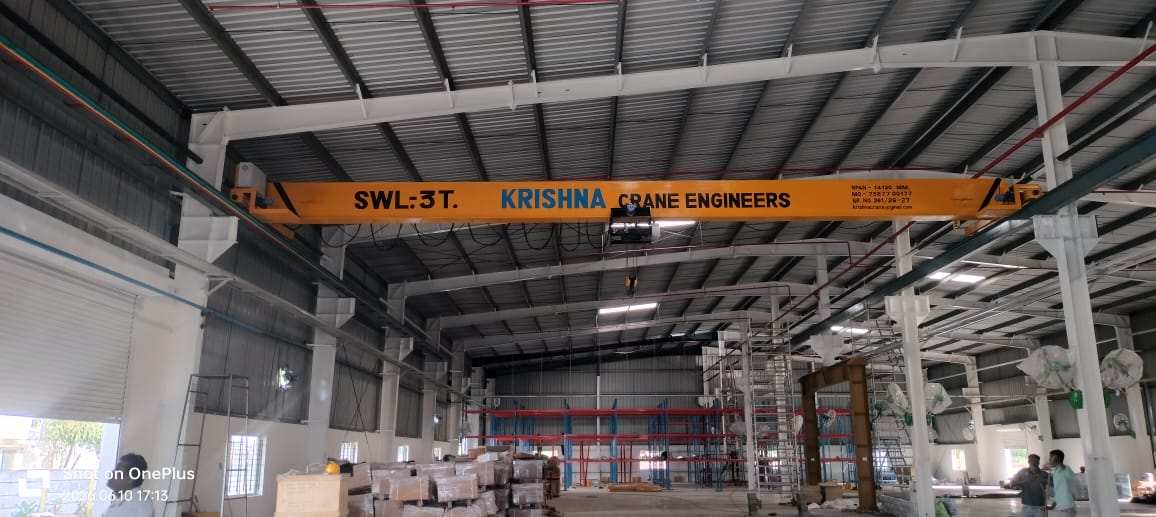
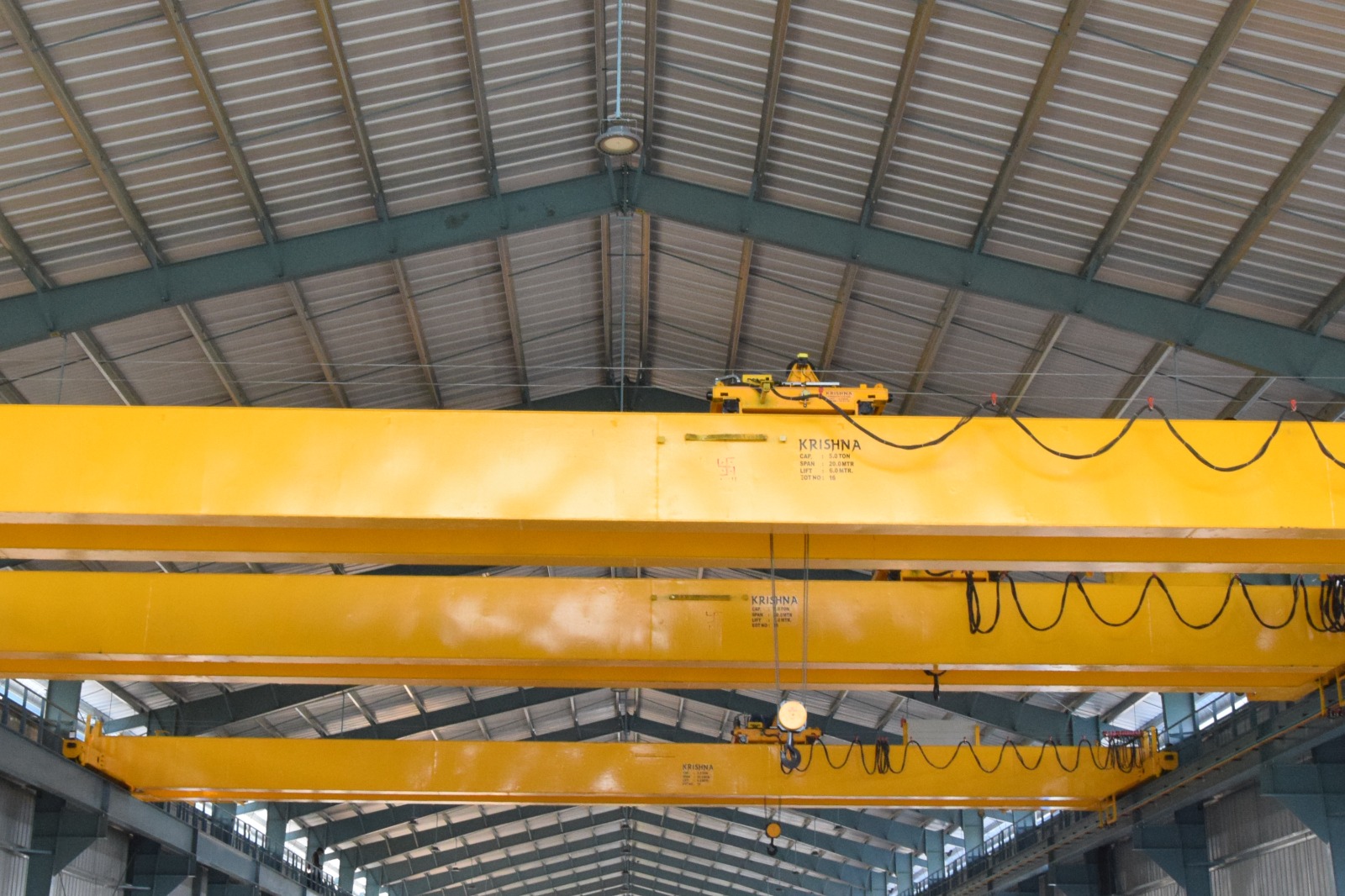
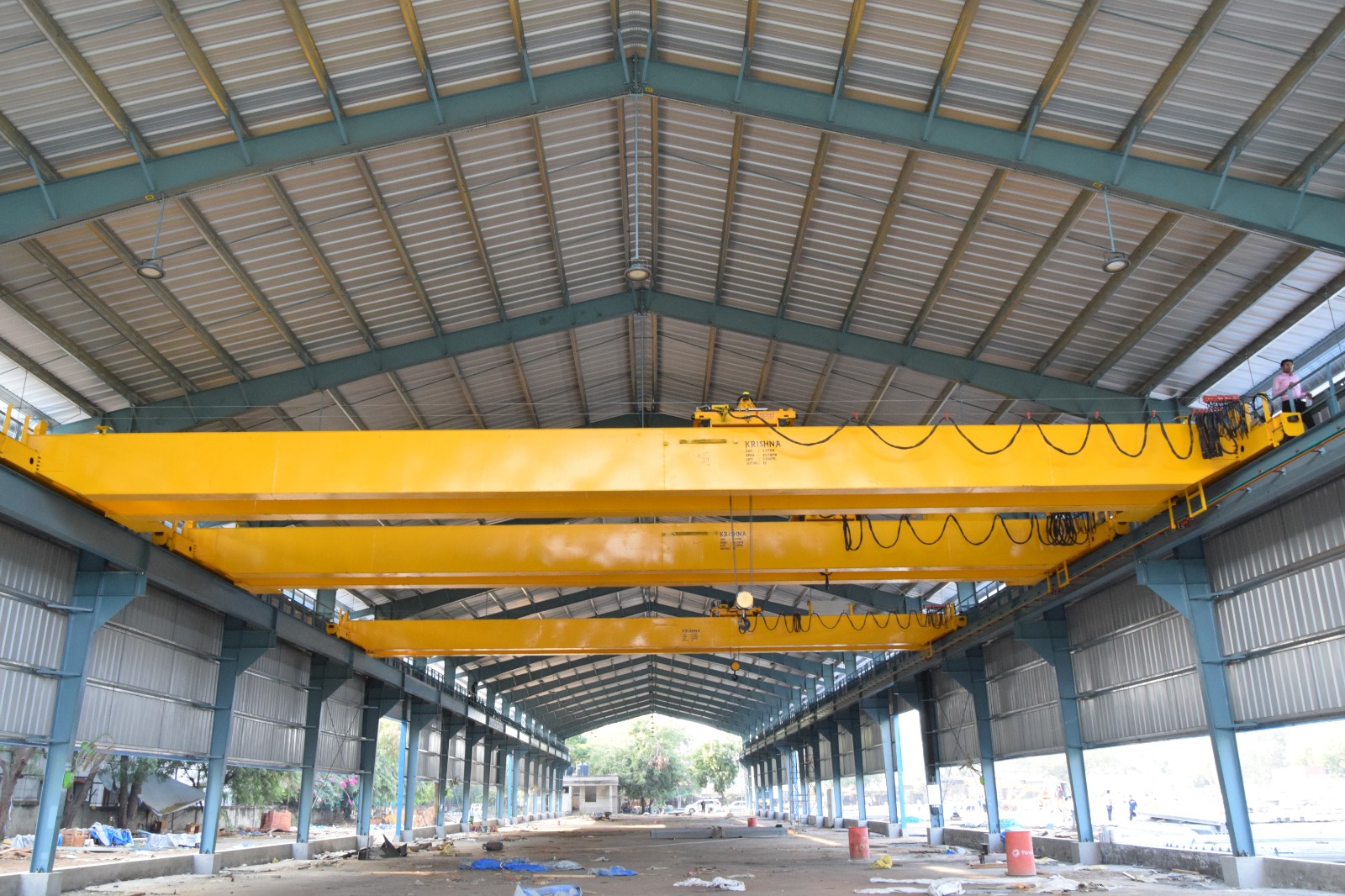
Overhead cranes find application in the various industries in India such as manufacturing, engineering, automobile, steel, fabrication, and warehousing industries. Because these cranes carry heavy loads, their design, manufacture, erection, and operation have to be according to the standards of safety and engineering.
The two standards that one may encounter during the selection process include IS 3177 and IS 4137. By understanding these standards, companies will be able to select the best cranes and ask the right technical questions to manufacturers.
If one is comparing the different crane manufacturers in Ahmedabad or overhead crane manufacturers in India, then understanding these Indian standards IS 3177 and IS 4137 can become quite helpful.
What are IS 3177 and IS 4137?
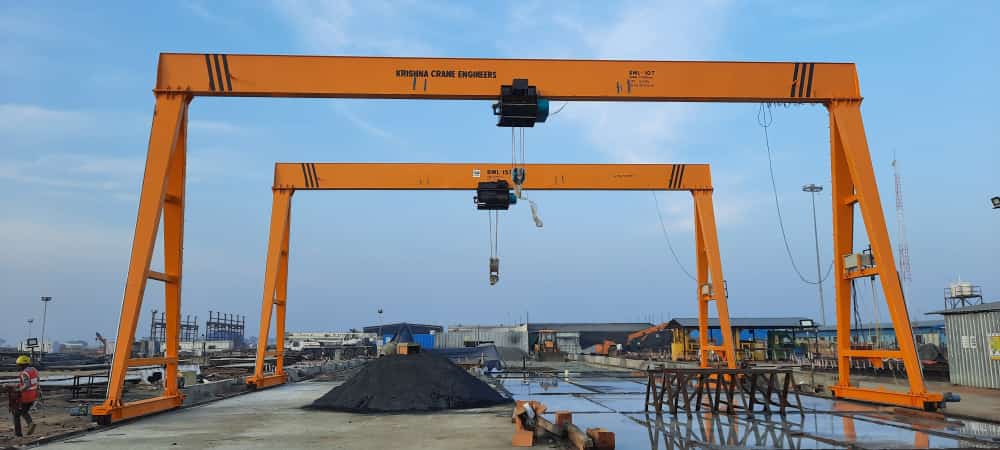
IS 3177 is the Indian Standard for electric overhead travelling cranes and gantry cranes used across general industrial applications. It talks about design, construction, electrical parts, mechanical parts, testing, and installation.
IS 4137 steps in for heavy-duty cranes, the kind you’d see in steel plants and other tough, special service setups. These cranes work harder and longer, so the standard demands more from them.
Here’s the thing to remember: these aren’t just certificates to frame on a wall. They’re technical guidelines that decide whether a crane will actually hold up under real working conditions.
Understanding IS 3177 for Overhead Cranes
IS 3177 usually applies to cranes doing general-purpose lifting work. You’ll spot this standard in places like:
- Fabrication units
- Auto manufacturing plants
- Machine shops
- Warehouses
- Maintenance workshops
- General production floors
This standard covers a lot of ground: structural parts, mechanical systems, electricals, lifting gear, controls, testing, and how the crane gets installed.
So if you’re buying a crane just based on lifting capacity, you’re missing half the picture. The full operating requirement needs a proper look.
Understanding IS 4137 for Heavy-Duty Cranes
IS 4137 comes into play when cranes work under heavy-duty, special-service conditions. Steel plants are the classic example here.
These cranes often lift heavy loads over and over, in environments with heat, dust, and non-stop production pressure.
That kind of workload changes everything about how a crane should be built. Duty cycle, load frequency, lifting speed, heat exposure, and travel movement all shape the final design.
A heavy-duty crane isn’t just a “bigger” version of a normal EOT crane. It’s built differently, for a different job entirely.
IS 3177 vs IS 4137: What Is the Difference?
The easiest way to tell them apart is by looking at where each one is used.
| Factor | IS 3177 | IS 4137 |
| Applies to | General EOT and gantry cranes | Heavy-duty EOT cranes |
| Common setting | General industry | Steel plants, heavy service |
| Typical use | Manufacturing, fabrication | Demanding, continuous operations |
| Key focus | Sound design and safe use | Handling extreme duty conditions |
The standard that applies to your crane depends on how it’s actually used, not just what number is painted on its capacity plate.
Why Indian Standards for Overhead Cranes Matter
Following proper Indian standards for overhead cranes gives structure to the entire process design, manufacturing, testing, and installation.
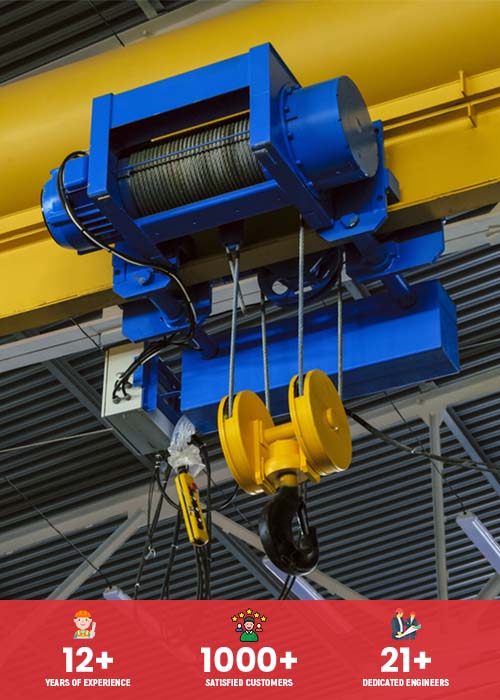
A crane isn’t one part. It’s a bridge structure, end carriages, a hoist, wire rope, brakes, wheels, motors, and electrical components, all working together.
Picture two 10-ton cranes in two different factories. One lifts a few times a day. The other runs across multiple shifts, almost non-stop.
Same capacity, completely different demands. That’s exactly why duty conditions matter as much as tonnage.
What Should You Check Before Buying an Overhead Crane?
Before you request quotes from overhead crane manufacturers in India, get your specifications sorted first.
Rated capacity — Think ahead, not just today’s needs
Span — Match it to your shed or building
Lifting height — Factor in roof clearance
Duty cycle — How often will it run each shift
Working environment — Heat, dust, moisture, outdoor use
Documentation — Drawings, certificates, manuals, test reports
Skipping any of these usually means trouble down the line; either the crane doesn’t fit the job, or it wears out faster than expected.
Benefits of Choosing an IS-Compliant Crane
Businesses that buy IS compliant cranes usually see real, practical advantages:
- Better match to actual use
- Safer daily operation
- Smoother maintenance planning
- Longer equipment life
- Fewer unexpected breakdowns
- More confidence during inspections
That said, compliance should be confirmed through actual documents and testing, not just a line item in a quotation.
Common Mistakes to Avoid
Chasing the lowest price. A cheap quote today can mean expensive repairs and downtime later.
Ignoring duty classification. Capacity alone doesn’t tell you how hard the crane will actually work.
Skipping site checks. Building height, orientation of the runway, and power supply affect crane selection.
Assuming one standard fits all. The requirements are factory-specific and cannot be generalized.
Not asking about testing. Always make sure that inspection and testing is carried out before any operation.
FAQ
- What is IS 3177 in overhead cranes?
It is the Indian standard for electric overhead travelling and gantry cranes employed in general industries. - For what purposes is IS 4137 used?
It is used for heavy-duty electric overhead travelling cranes, even those with special services in steel works. - Are IS 3177 and IS 4137 same?
No. Each applies to a different kind of crane and conditions, and selection should be based on actual application. - How should I go about choosing crane manufacturers in Ahmedabad?
Based on their technical competency, manufacturing facilities, testing methods, documentation, and customer service, among others. - Where can I buy IS compliant cranes?
Contact experienced overhead crane manufacturers in India and make sure to get all the technical specifications, standards followed, and test certificates before purchase.
Conclusion
Familiarity with the specifications of IS 3177 and IS 4137 will allow you to choose a more suitable option than simply basing your choice only on the cost or load capacities.
IS 3177 specifies the standard for general EOT and gantry cranes, whereas IS 4137 is for heavier cranes. The right pick depends entirely on your crane’s design, duty, and working environment.
Planning to install or upgrade an EOT crane? Talk to the team at Hoistsandcrane.com and walk through your capacity, span, lifting height, and duty cycle before you finalise anything.