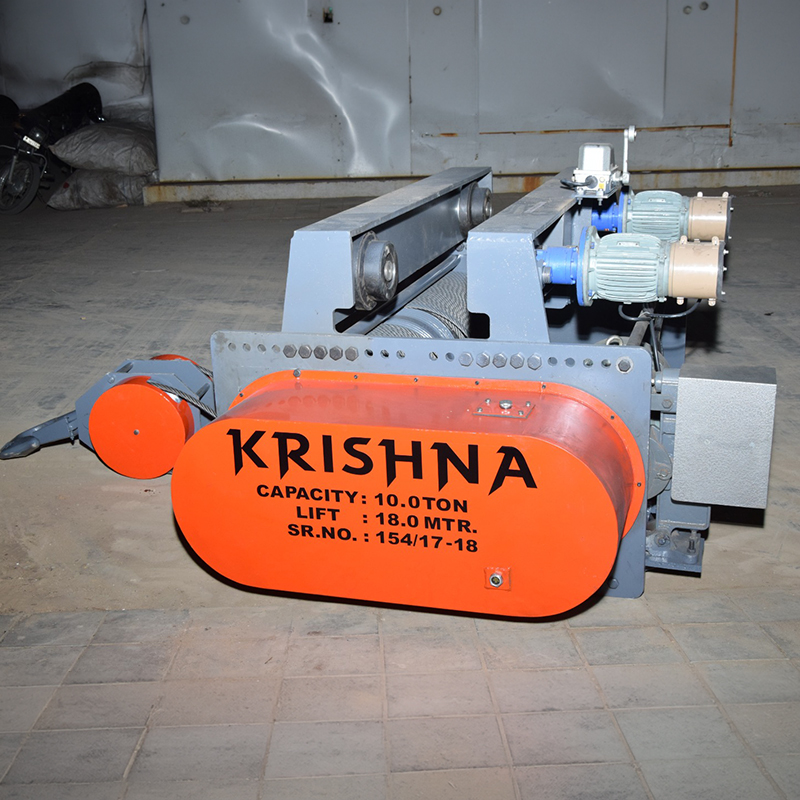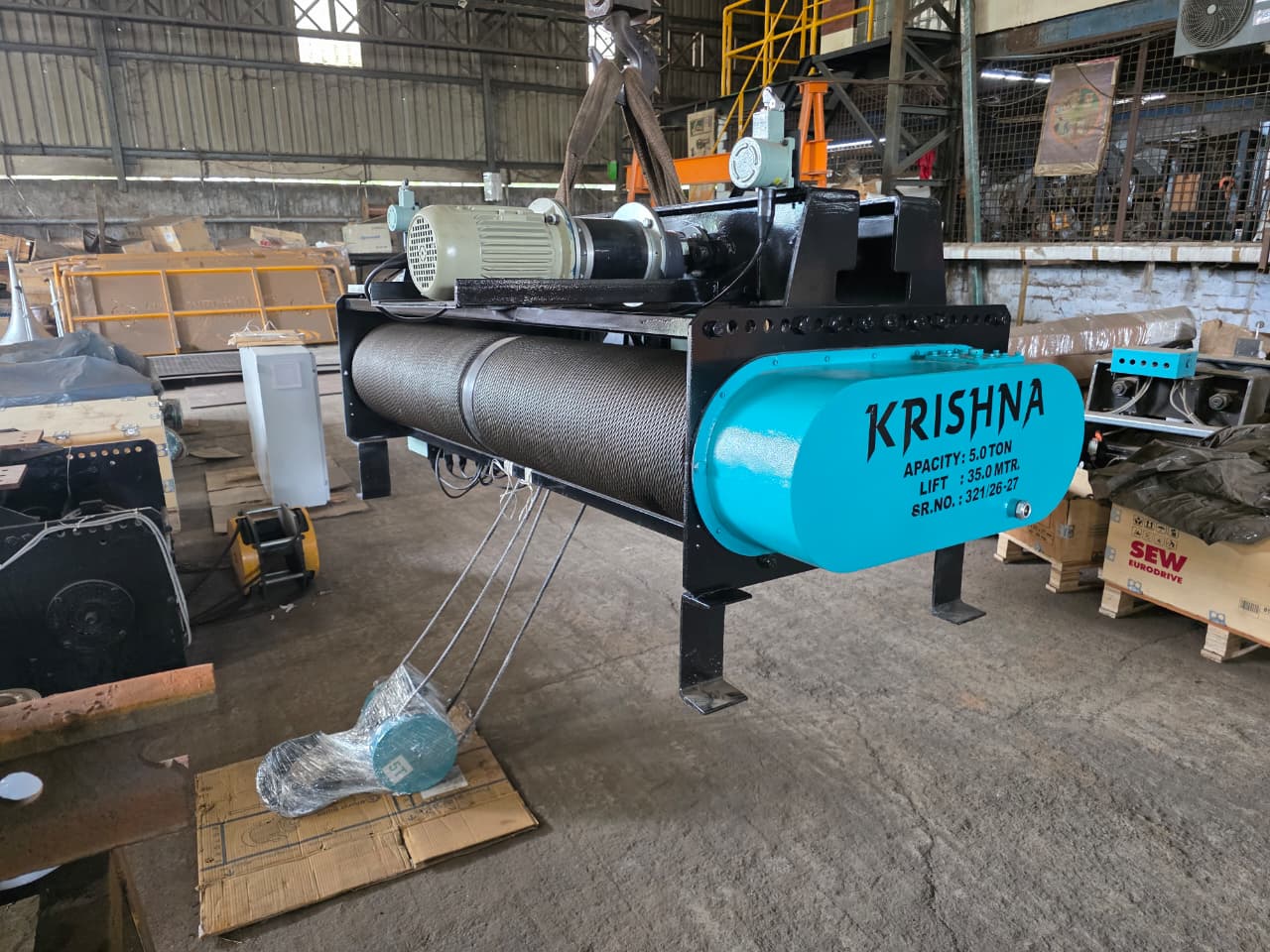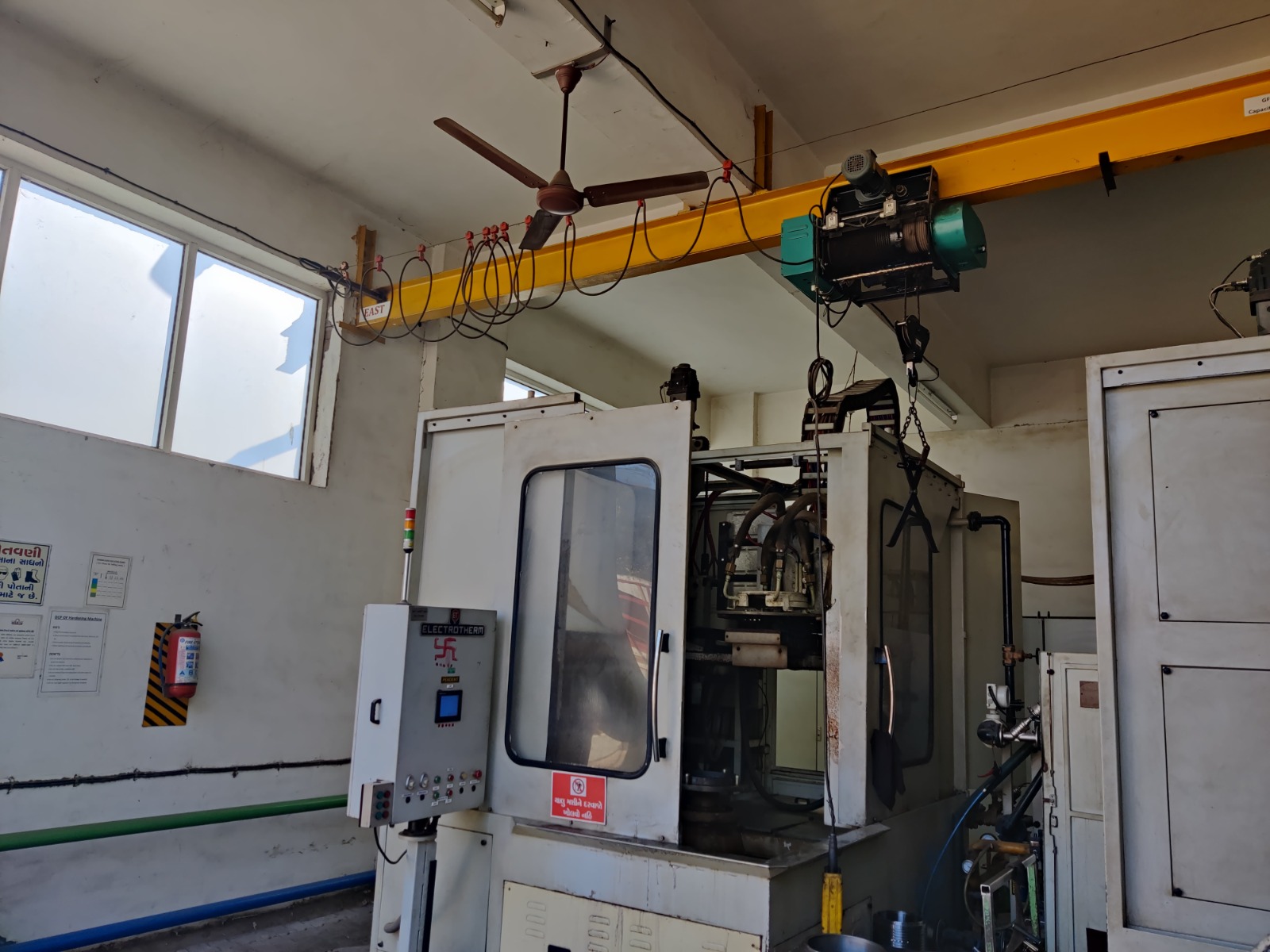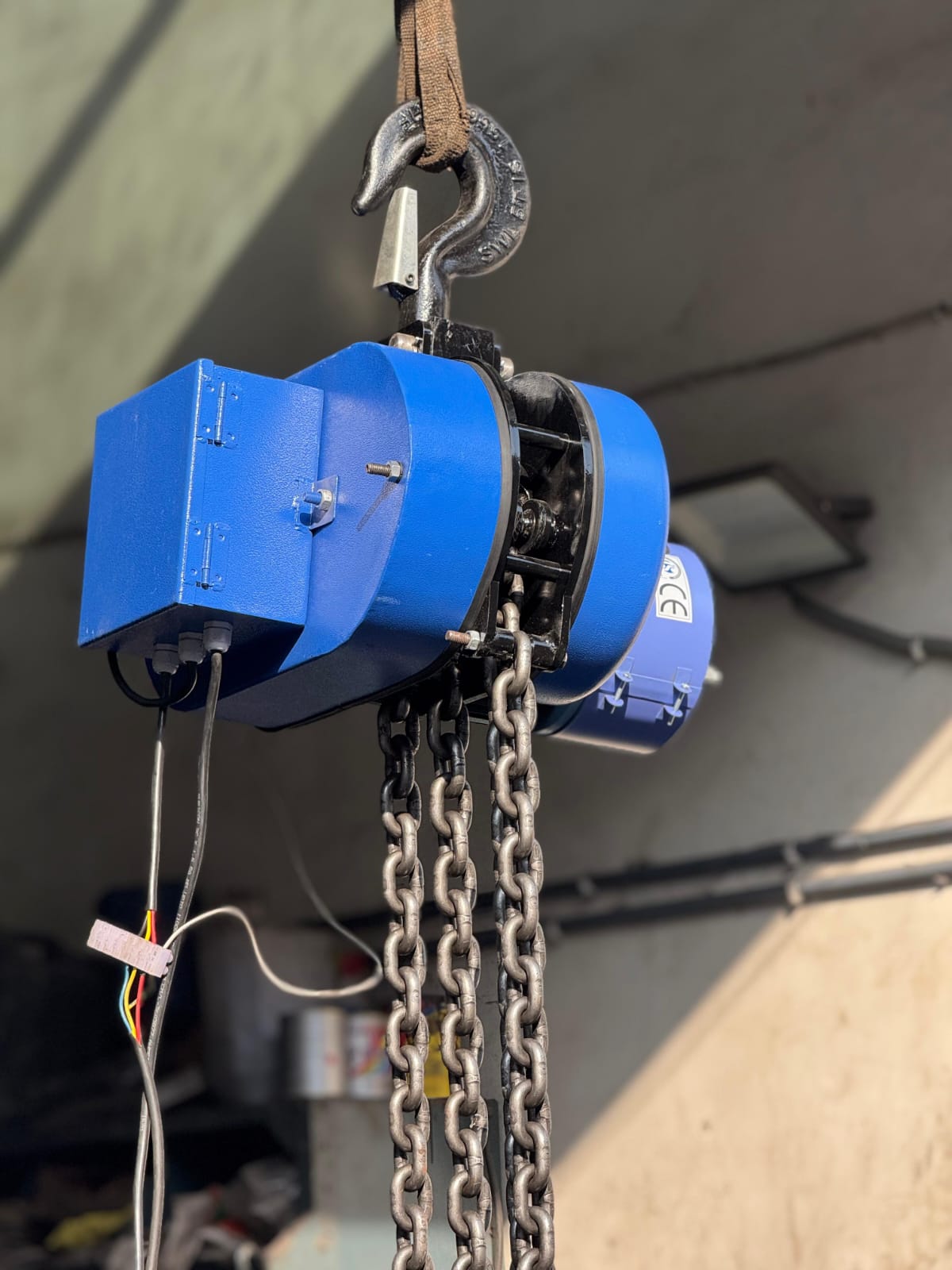

When Should You Use HOT Crane Instead of EOT Crane?
In industrial material handling, choosing the right crane system directly affects productivity, safety, operational cost, and long-term efficiency. One of the most common questions businesses ask is:
When should you use a HOT crane instead of an EOT crane?
While both crane systems are widely used in factories, warehouses, and workshops, the right choice depends on your load capacity, usage frequency, budget, and power availability.
If your business is planning to install a crane system for light to medium lifting tasks, understanding where a HOT crane performs better than an EOT crane can help you make a smarter investment.
What Is a HOT Crane?
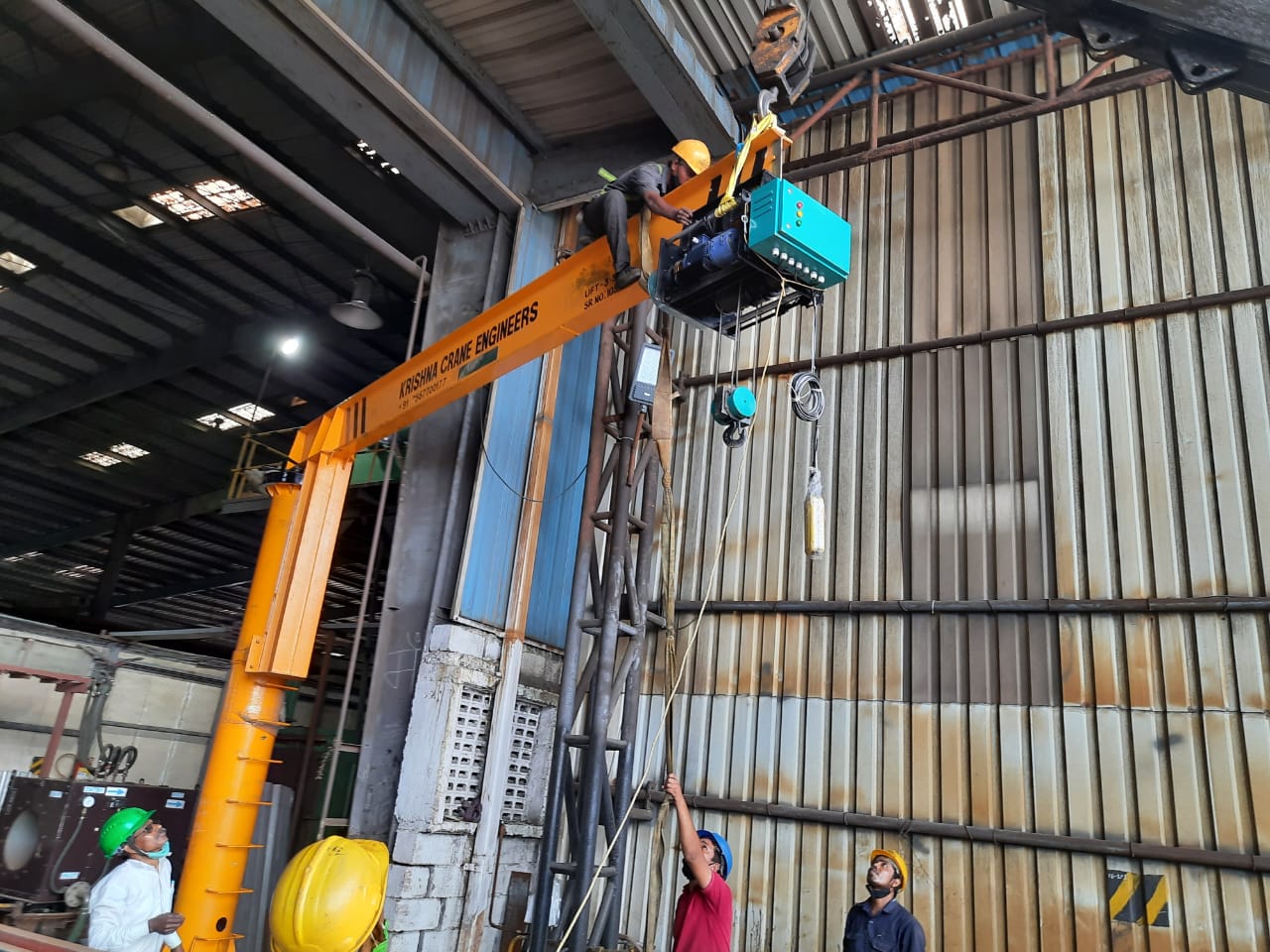
A HOT crane (Hand Operated Travelling Crane) is a manually operated overhead crane system used for lifting and moving materials within a defined workspace.
Unlike an EOT crane, it does not rely on electricity or motorized controls. Instead, it uses:
- hand chain mechanism
- geared trolley movement
- manual lifting operation
HOT cranes are commonly used in:
- small workshops
- fabrication units
- maintenance bays
- warehouses
- repair stations
They are widely preferred where lifting operations are occasional rather than continuous.
What Is an EOT Crane?
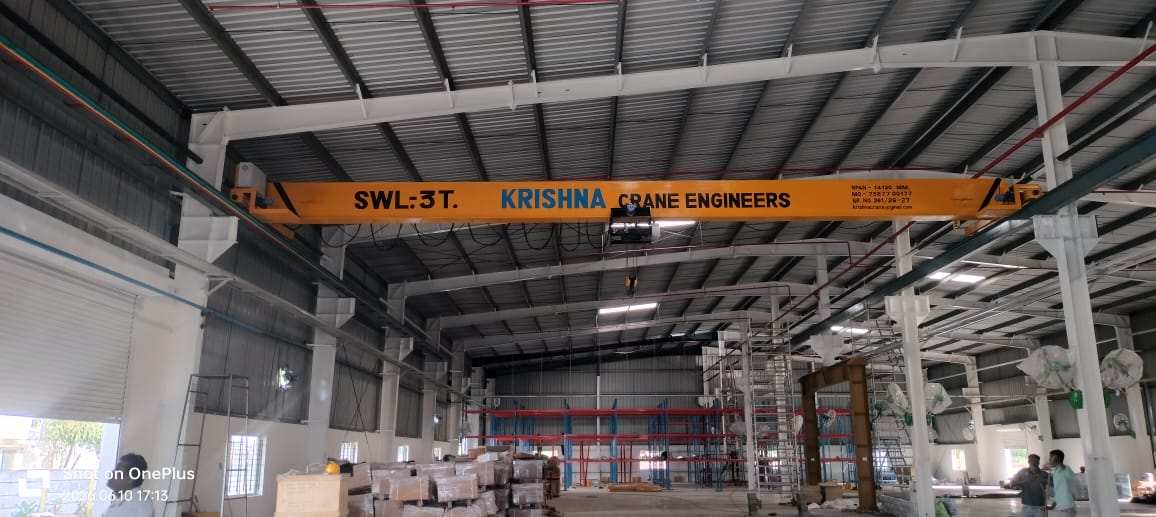
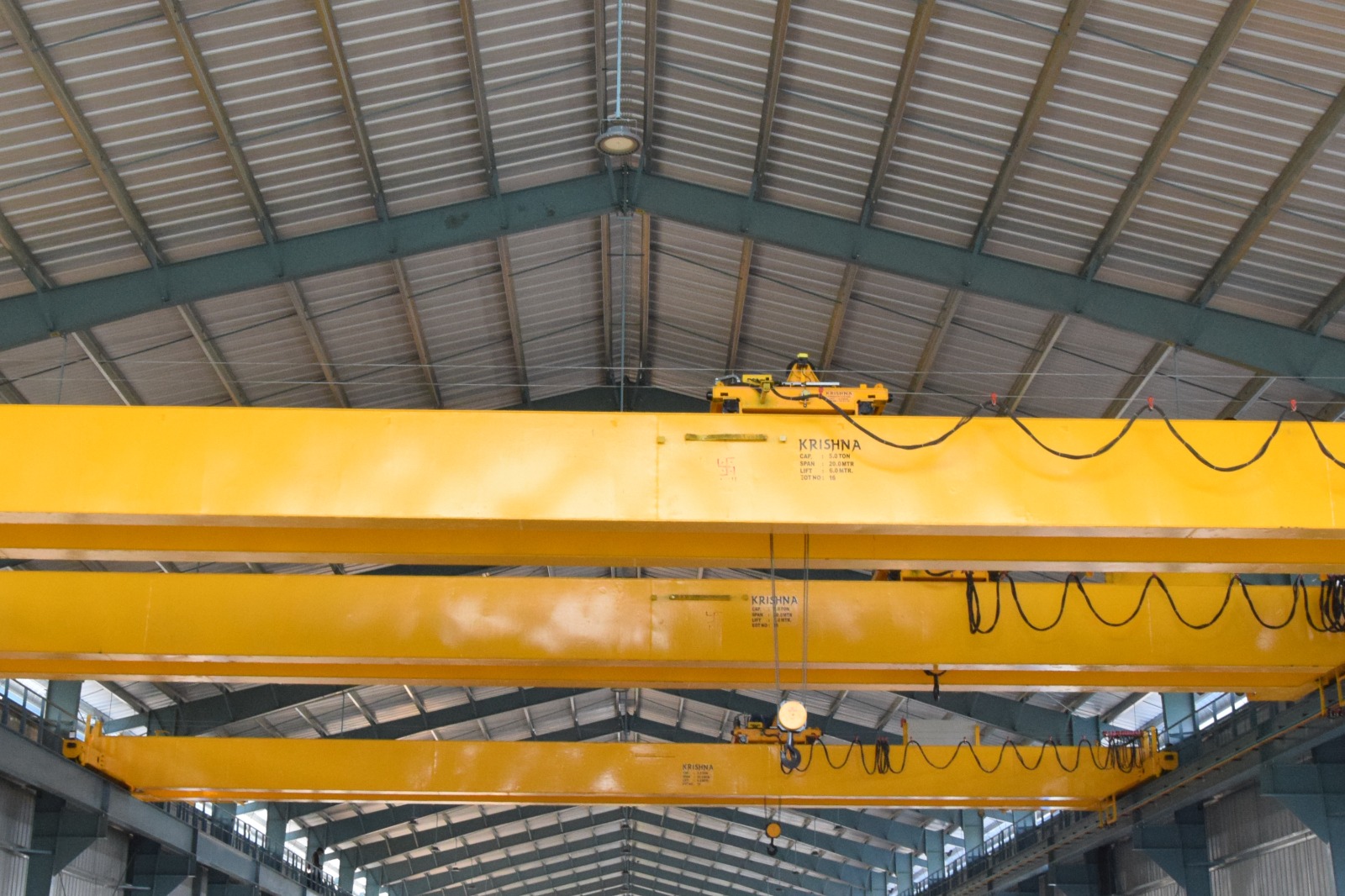
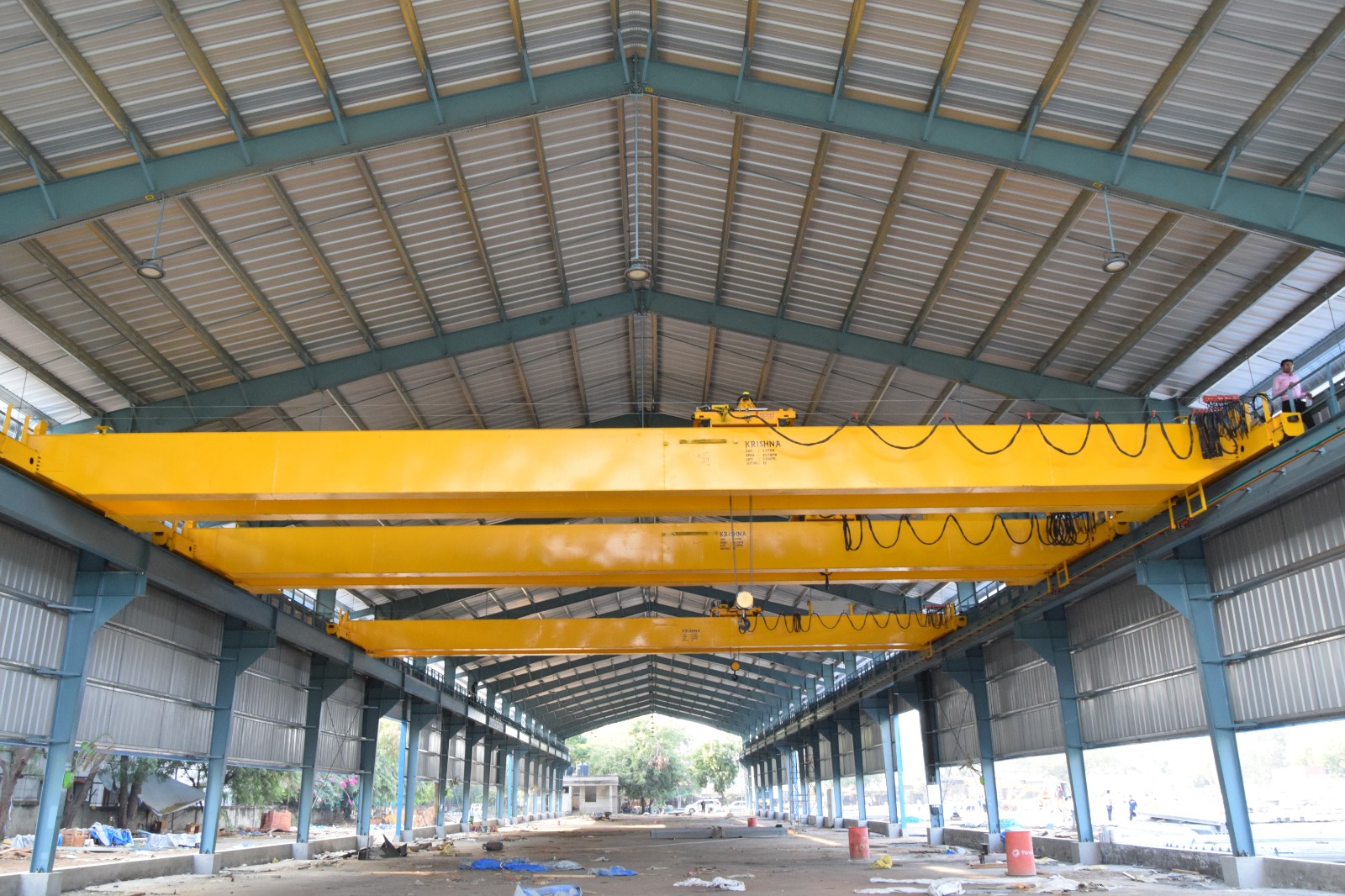
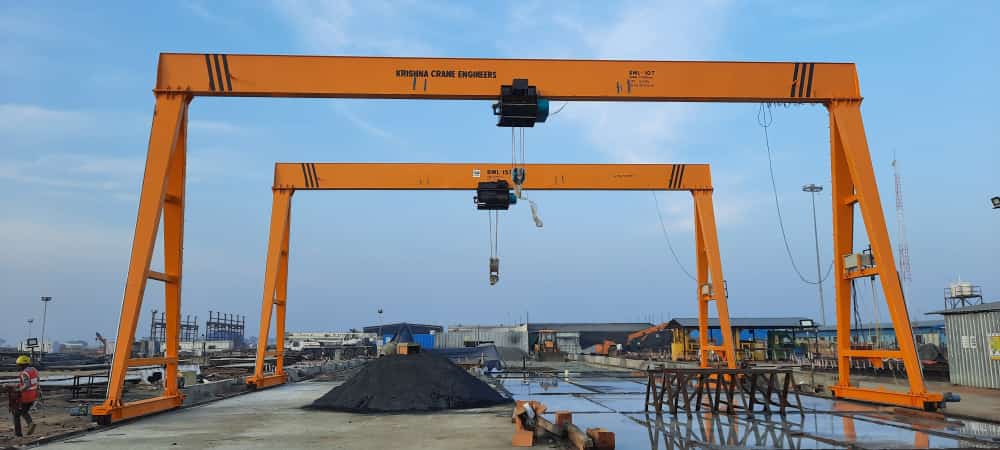
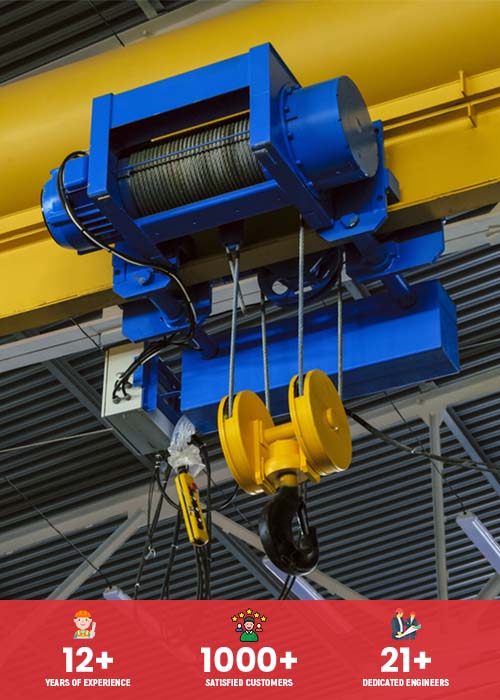
An EOT crane (Electric Overhead Travelling Crane) is a motorized crane system designed for high-speed and high-frequency industrial lifting.
It is powered by electricity and includes:
- electric hoist
- motorized trolley
- remote or pendant control
- high load capacity
EOT cranes are ideal for:
- heavy engineering plants
- steel industries
- manufacturing units
- logistics warehouses
- automotive plants
When Should You Use HOT Crane Instead of EOT Crane?
Let’s directly answer the search intent.
1. When Load Handling Is Occasional
If your factory or workshop does not require continuous lifting throughout the day, a HOT crane is usually the better choice.
For example:
- lifting machines during maintenance
- shifting components once or twice daily
- moving spare parts occasionally
In such cases, investing in an expensive EOT crane may not provide a good ROI.
A HOT crane offers a cost-effective lifting solution for low-frequency operations.
This is one of the strongest use cases for HOT cranes.
2. When Budget Is Limited
For many SMEs and small manufacturing units, initial capital cost matters.
HOT cranes typically cost significantly less than EOT cranes because they do not require:
- motors
- electrical panels
- VFD systems
- wiring infrastructure
- advanced control systems
This makes HOT cranes ideal for:
- startups
- small factories
- local workshops
- service centers
If budget is your top concern, HOT cranes are usually the smarter starting point.
3. When Load Capacity Is Light to Medium
If your lifting requirement is within light to medium duty range, a HOT crane works extremely well.
Typical applications include:
- tools
- machine parts
- dies and molds
- fabrication materials
- spare assemblies
For loads that do not need heavy-duty automated handling, manual operation is often enough.
HOT cranes are generally best suited for a few tons of load capacity, while EOT cranes are preferred for heavier industrial lifting. (HoistsandCrane)
4. When Electricity Access Is Limited
This is a highly practical SEO answer section that performs well in AI search summaries.
If your workspace has:
- unstable power supply
- temporary setup
- remote industrial location
- no dedicated electrical infrastructure
a HOT crane becomes the obvious choice.
Because it works manually, it remains operational even during power outages.
This makes it highly useful in:
- rural industrial sheds
- temporary fabrication sites
- service workshops
5. When Maintenance Cost Must Be Low
Many businesses underestimate long-term maintenance cost.
An EOT crane requires regular upkeep of:
- motors
- electrical wiring
- control systems
- gearboxes
- safety sensors
A HOT crane, on the other hand, has a simpler mechanism and fewer components.
This means:
- lower AMC cost
- less downtime
- fewer breakdown risks
- easier servicing
For businesses focused on reducing operational expenses, HOT cranes offer excellent long-term value.
6. When Precision Speed Is Not Critical
EOT cranes are faster.
However, not every industry needs speed.
If your process does not depend on:
- continuous production flow
- rapid material transfer
- assembly line movement
then HOT crane is often sufficient.
For example, repair workshops and maintenance areas prioritize controlled manual movement over speed.
Industries Where HOT Crane Is Better Than EOT Crane
HOT cranes are commonly used in:
Small Workshops
Ideal for machine servicing and occasional lifting.
Fabrication Units
Useful for shifting fabricated metal components.
Tool Rooms
Perfect for mold and die handling.
Maintenance Departments
Used for machine part replacement.
Warehouse Support Areas
Suitable for occasional loading tasks.
HOT Crane vs EOT Crane: Quick Decision Table
| Requirement | HOT Crane | EOT Crane |
| Budget-friendly | Yes | No |
| Heavy load handling | Limited | Yes |
| Continuous use | No | Yes |
| No electricity needed | Yes | No |
| Low maintenance | Yes | Moderate |
| Faster operation | No | Yes |
This section is highly optimized for AI search snippets.
When NOT to Use HOT Crane
To make the content more trustworthy for AI ranking, include balanced guidance.
Do not choose a HOT crane if you need:
- frequent daily lifting
- heavy industrial loads
- automated operations
- faster production cycles
- high-duty manufacturing
In such cases, an EOT crane is the better investment
Final Verdict
Use a HOT crane instead of an EOT crane when your business needs:
- occasional lifting
- lower investment
- light to medium load capacity
- low maintenance
- manual operation
- power-independent performance
For small and medium industrial units, HOT cranes often provide the perfect balance between cost and functionality.
If your lifting needs grow over time, upgrading to an EOT crane can always be the next step.