
Why Does an EOT Crane Suddenly Stop Working?
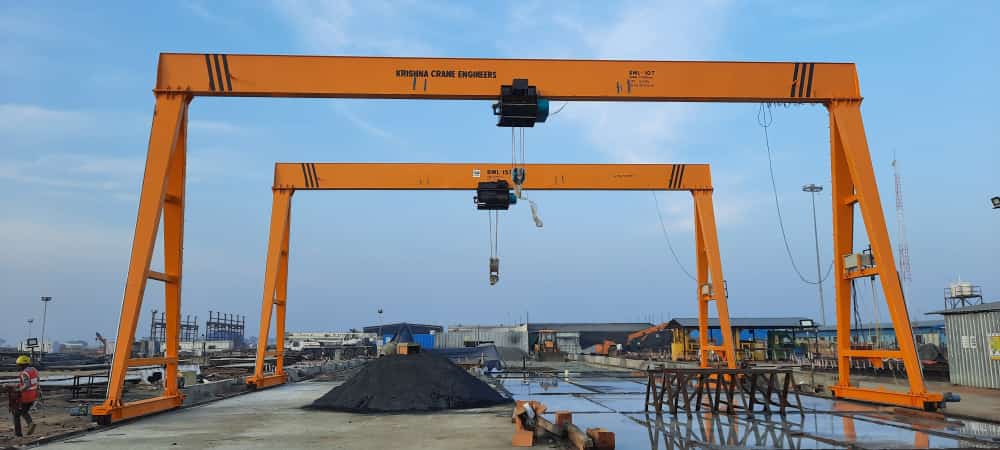
An EOT crane (Electric Overhead Travelling crane) is one of the most important material handling systems used across manufacturing plants, warehouses, fabrication units, steel industries, textile mills, and engineering workshops in India. It helps businesses move heavy loads safely and efficiently, improving productivity and reducing manual labour.
However, one of the most common operational issues faced by plant managers and maintenance teams is when the crane suddenly stops working without warning.
This unexpected stoppage can lead to production delays, safety concerns, and costly downtime.
So, why does an EOT crane suddenly stop working?
The answer usually lies in mechanical wear, electrical faults, overload issues, or poor maintenance.
In this blog, we will cover the most common reasons behind sudden crane failure and what industries in India should do to prevent it.
1. Power Supply Failure
The first and most common reason an EOT crane suddenly stops is a power supply issue.
In many industrial areas across India, voltage fluctuations and sudden power interruptions are common.
If the crane is not receiving the required voltage, it may stop immediately.
Common electrical issues include:
- power cut
- phase failure
- low voltage
- loose electrical connections
- faulty control panel wiring
- tripped circuit breaker
Even a small disruption in the supply line can stop the motor, hoist, or trolley movement.
The first step is always to check the incoming power source and control panel indicators.
2. Overload Protection Activation
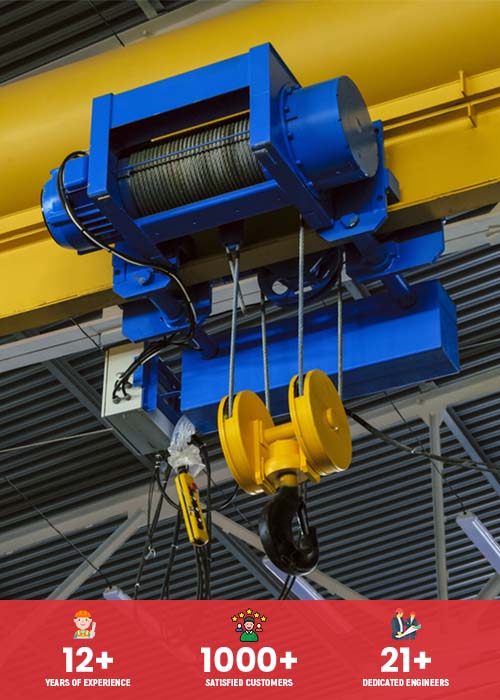
Modern EOT cranes are equipped with overload protection systems.
If the load exceeds the rated capacity, the crane automatically stops working to prevent accidents.
This is a built-in safety feature.
For example, if a 5-ton crane is lifting beyond its safe working load, the overload relay may trip.
This stops operations instantly.
Many industries ignore load limits during urgent production work, which often causes this issue.
Always ensure that the lifted load is within the rated capacity of the crane.
3. Motor Overheating
Another major reason behind sudden stoppage is motor overheating.
The hoist motor, cross-travel motor, or long-travel motor can stop automatically if it becomes too hot.
This usually happens due to:
- continuous use without rest
- overloading
- poor ventilation
- high ambient temperature
- low lubrication in moving parts
- electrical faults
In Indian industrial conditions, especially during summer, motor overheating is very common.
Thermal overload protection may shut down the crane to avoid motor burnout.
Allow the motor to cool and get it inspected by a technician.
4. Brake Failure or Brake Jamming
The brake system is essential for safe lifting and stopping.
If the brake gets jammed or fails to release properly, the crane may stop moving.
Common brake-related problems include:
- worn brake lining
- spring tension issues
- dust accumulation
- oil contamination
- electrical coil fault
This can affect both hoist lifting and trolley travel.
A jammed brake often makes it seem like the crane has stopped suddenly, even though the motor is running.
Regular brake maintenance is critical.
5. Limit Switch Malfunction
EOT cranes are fitted with limit switches to prevent over-travel.
These switches stop the crane when it reaches its maximum height or travel limit.
If a limit switch becomes faulty, misaligned, or stuck, it can stop the crane unexpectedly.
This is commonly seen in:
- hoist upper limit
- lower limit
- cross travel
- long travel
Dust, moisture, and wiring issues can affect switch performance.
This is a frequent issue in older industrial cranes.
6. Control Pendant or Remote Failure
Sometimes the crane stops not because of a major mechanical issue but due to control failure.
The pendant control or wireless remote may have:
- broken buttons
- loose wiring
- contact damage
- signal interruption
- worn cable connections
If the control commands do not reach the motor system, the crane will not operate.
Always inspect the control panel and pendant before assuming a major breakdown.
7. Gearbox or Mechanical Seizure
The gearbox transfers power to movement systems.
If internal gears are worn, jammed, or poorly lubricated, the crane may suddenly stop.
Common causes include:
- gear tooth wear
- lubrication failure
- oil leakage
- bearing damage
- shaft misalignment
Mechanical seizure often causes sudden stoppage accompanied by unusual noise.
This requires immediate professional inspection.
8. Wire Rope or Drum Jamming
In the hoist mechanism, wire rope issues can also stop operations.
Common rope problems include:
- rope overlapping on drum
- kinks
- broken strands
- rope guide damage
- drum misalignment
When the rope gets stuck, the hoist may stop mid-operation.
This should be addressed immediately as it can affect load safety.
9. Faulty Contactors or Relays
The crane’s electrical panel contains relays and contactors that control motor functions.
If these components fail, the crane may stop instantly.
This is common in older cranes and poorly maintained systems.
Signs include:
- no motor response
- clicking sound
- intermittent movement
- sudden tripping
Working with experienced eot crane manufacturers can help in timely replacement of original components.
10. Lack of Preventive Maintenance
The most overlooked reason is poor maintenance.
Many Indian factories use cranes daily but skip regular servicing.
Without routine inspection, minor issues build up over time.
Preventive maintenance should include:
- brake check
- motor inspection
- lubrication
- wire rope inspection
- electrical testing
- load testing
Ignoring scheduled maintenance is one of the biggest reasons for sudden breakdown.
How to Prevent Sudden EOT Crane Failure
To avoid operational stoppage, follow these best practices:
- daily visual inspection
- check load capacity
- regular lubrication
- inspect electrical panel weekly
- monitor unusual noise
- annual professional servicing
- replace worn parts immediately
These steps significantly reduce downtime.
Final Thoughts
An EOT crane can suddenly stop working due to electrical faults, overload, overheating, brake issues, control failure, or lack of maintenance.
For manufacturing plants and industries in India, timely inspection and preventive servicing are essential to ensure uninterrupted operations.
Early diagnosis not only saves repair cost but also improves worker safety and production efficiency.
If your crane has stopped unexpectedly, it is always best to get it inspected by experienced crane professionals before resuming operations.