Why Regular Inspection and Spare Parts Replacement Is Vital for HOT Crane Efficiency
In industries where heavy lifting and material handling are part of daily operations, the reliability of equipment plays a major role in maintaining productivity and safety. Among such essential machines, the HOT crane stands out as one of the most valuable assets for factories, workshops, and warehouses. To ensure that this machine performs at its best, regular inspection and timely spare parts replacement are absolutely crucial.
In this article, we will discuss why regular inspection and the replacement of spare parts is essential to run HOT cranes on their full efficiency.
The Role of HOT Cranes in Industrial Operations
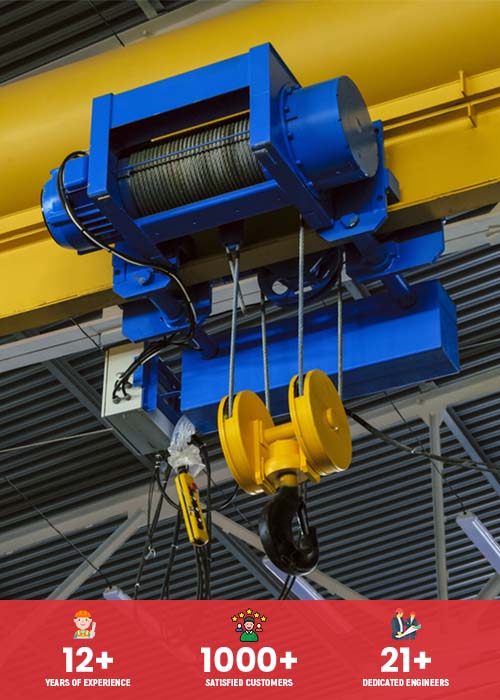
HOT cranes, also known as Hand Operated Traveling cranes, are widely used for lifting and transporting heavy loads within confined areas like workshops or production units. They are simple in design but do wonders when it comes to performance. Whether it’s moving raw materials to the production line or loading finished goods for dispatch, these cranes handle countless operations each day. With continuous usage, their parts experience wear and tear, which can affect both safety and performance. That’s why preventive maintenance and periodic inspection become necessary.
Importance Of Regular Inspection
Routine inspection is the first line of defense against mechanical failures. Over time, components such as hooks, gears, ropes, and motors can go through wear and tear due to constant stress. Regular checks help in detecting these signs early before they lead to breakdowns or safety risks.
A well-planned inspection schedule ensures that potential issues are spotted and addressed in time. This not only minimizes downtime but also extends the overall lifespan of the crane. Moreover, inspections help maintain compliance with industry safety standards, protecting both the workers and the business.
The Importance of Spare Parts Replacement
Every mechanical system has parts that eventually wear out, no matter how robust they are. In a crane, certain parts like bearings, hooks, wheels, and ropes need periodic replacement. Ignoring the need for spare parts can lead to unexpected breakdowns, which may halt production and lead to costly repairs.
Replacing worn-out parts at the right time ensures that the crane continues to function efficiently. It also prevents damage to other components that could result from malfunctioning parts. For example, a damaged wire rope might put excessive strain on the motor, leading to its failure. You can ensure the motor’s performance and longevity by replacing the rope in time
Boosting Efficiency Through Maintenance
Efficiency in industrial operations is all about getting the job done safely and quickly without unnecessary interruptions. Regular inspection and part replacement help in achieving this balance. When a crane operates smoothly, it consumes less energy and performs tasks more accurately. This reduces the time taken for each lifting operation, improving overall productivity.
Moreover, consistent maintenance enhances the crane’s load-handling capacity. It ensures that every lift is stable and precise, which is critical when dealing with heavy or fragile materials. Workers can perform their duties with confidence, knowing that the equipment they rely on is in perfect working order.
The Cost Factor
Some businesses hesitate to invest time and money in routine maintenance, thinking it adds to operational costs. However, in reality, preventive care is far more affordable than emergency repairs. A sudden breakdown can disrupt the production line, delay deliveries, and require expensive part replacements. In contrast, regular inspections and timely replacements keep everything under control.
Additionally, maintaining efficiency helps reduce energy consumption. A well-maintained crane requires less power to operate, resulting in lower electricity bills. Over time, these savings add up, offering a better return on investment for the business thus favouring the cost factor.
Extending the Lifespan of the Crane
Like any other piece of equipment, the lifespan of a crane depends on the regular maintenance and care. Regular servicing ensures that all parts are functioning correctly, and replacements are done when needed. This prevents the machine from aging prematurely and allows it to deliver consistent performance for many years.
Following the manufacturer’s maintenance guidelines, using quality spare parts, and hiring trained technicians for inspections are some of the important ways in which the crane can be maintained in excellent shape. A long-lasting and efficient crane contributes directly to the success of industrial operations.
Conclusion
Regular inspection and timely spare parts replacement are not just technical tasks, they are essential habits that protect people and boost productivity. They ensure that the crane performs efficiently, safely, and economically. When businesses prioritize maintenance, they reduce downtime, save costs, and extend equipment life. Taking care of your crane helps your business. With consistent attention and timely action, companies can ensure that their HOT cranes continue to deliver reliable performance and strong returns year after year.