
Crane Safety Standards Followed by Gujarat Industries
Industrial growth across Gujarat has increased rapidly over the last few years, with sectors like manufacturing, engineering, pharmaceuticals, textiles, chemicals, automotive, and heavy fabrication expanding significantly. With this growth, the use of material handling equipment such as cranes has also increased. Cranes play an important role in lifting and moving heavy loads efficiently, but improper operation or lack of maintenance can lead to serious safety risks.
For this reason, industries across Gujarat follow specific crane safety standards to ensure smooth operations, worker protection, and compliance with industrial regulations. Maintaining safety standards not only prevents accidents but also improves equipment lifespan and overall productivity.
In this blog, we will discuss the important crane safety standards followed by Gujarat industries and why they matter.
Why Crane Safety Standards Are Important
Crane operations involve lifting heavy materials, machinery components, raw materials, and finished products. Even a small operational error can cause:
- Workplace accidents
- Equipment damage
- Production delays
- Financial losses
- Worker injuries
- Unexpected downtime
Safety standards help industries reduce these risks while creating a safer work environment.
Industries in Gujarat, particularly in industrial hubs such as Ahmedabad, Vadodara, Surat, Rajkot, Bharuch, and Ankleshwar, increasingly focus on preventive safety practices as part of their operational strategy.
Regular Crane Inspection Requirements
One of the most common safety practices followed by Gujarat industries is regular crane inspection.
Routine inspections help identify early signs of wear and damage before they become major problems.
Daily inspections usually include:
- Hook condition check
- Wire rope inspection
- Brake performance
- Emergency stop functionality
- Control panel operation
- Load chain condition
- Visible structural damage
Periodic inspections are also carried out monthly, quarterly, and annually depending on crane usage frequency.
Regular inspections reduce unexpected breakdowns and improve operational safety.
Load Capacity Compliance
Every crane is designed with a specific lifting capacity.
Exceeding the rated load capacity is one of the major causes of crane accidents in industries.
To avoid this issue, Gujarat industries ensure:
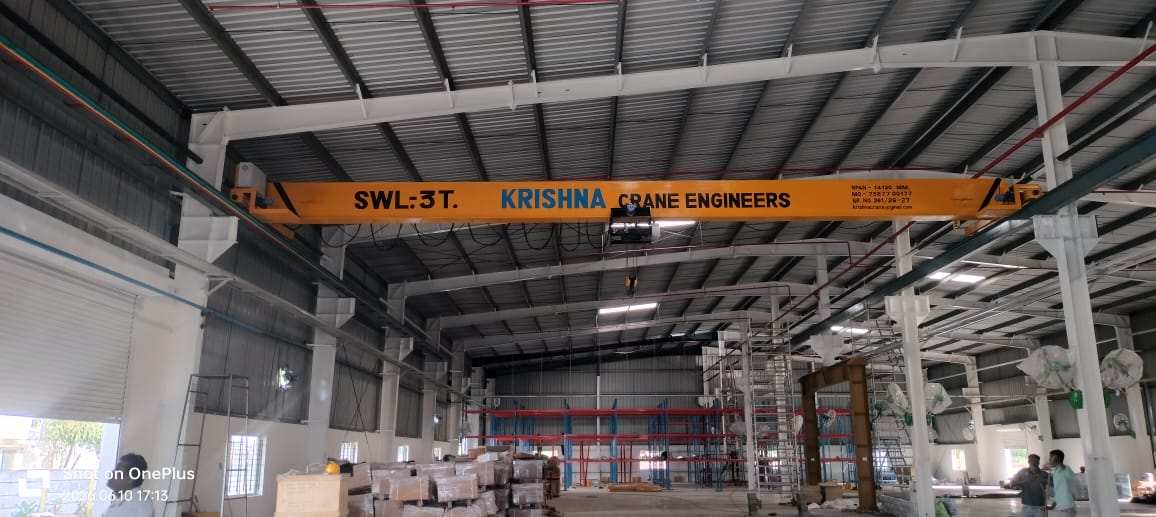
- Safe working load labels are visible
- Operators know lifting limits
- Loads are checked before operation
- Overload protection systems are installed
Modern cranes often include sensors and overload indicators that automatically stop operations if the weight exceeds the specified limit.
This significantly reduces the risk of structural damage and equipment failure.
Operator Training and Certification
Even advanced crane systems can become unsafe if handled by untrained operators.
Many Gujarat industries now prioritize operator training programs to improve workplace safety.
Training generally covers:
- Crane operating procedures
- Load handling methods
- Emergency response practices
- Safety inspection methods
- Equipment limitations
- Hazard identification
Skilled operators can identify warning signs early and prevent unsafe practices during lifting operations.
Proper training also reduces human error, which is one of the leading causes of industrial accidents.
Proper Wire Rope and Hook Inspection
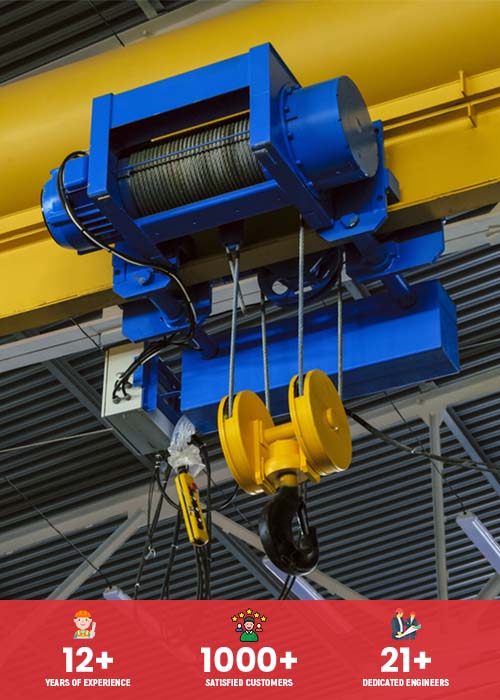
Wire ropes and hooks are critical components of crane systems.
Industries regularly inspect these parts for signs of:
- Broken wire strands
- Corrosion
- Kinks
- Wear and tear
- Cracks
- Hook deformation
Damaged lifting components can suddenly fail under load and create serious safety hazards.
Preventive replacement of worn-out components is a standard practice followed by many manufacturing industries across Gujarat.
Emergency Safety Systems
Modern crane systems include several emergency safety features designed to protect workers and equipment.
Common safety systems include:
- Emergency stop buttons
- Limit switches
- Anti-collision systems
- Load indicators
- Brake monitoring systems
- Overload protection devices
These systems help prevent unsafe crane movement and provide immediate control during emergencies.
Many industries now prefer advanced safety technology while upgrading their crane systems.
Preventive Maintenance Programs
Preventive maintenance has become an essential part of crane safety standards.
Instead of waiting for equipment failure, industries schedule maintenance activities to detect and resolve issues early.
Preventive maintenance generally includes:
- Lubrication of moving components
- Brake system checks
- Motor inspection
- Gearbox inspection
- Electrical connection testing
- Structural examination
Regular servicing minimizes downtime and improves operational efficiency.
Many top crane manufacturers in india also recommend planned maintenance schedules to maintain safety and extend crane life.
Workplace Safety Around Crane Operations
Crane safety is not limited to equipment alone.
The working environment also plays an important role.
Industries in Gujarat often implement workplace safety measures such as:
- Restricted crane operation zones
- Warning signs
- Floor markings
- Safety barriers
- Personal protective equipment (PPE)
- Safe load movement paths
These measures reduce the risk of workers entering dangerous lifting areas.
Creating awareness among employees further improves workplace safety.
Importance of Following Safety Standards
Businesses that follow crane safety standards experience several long-term benefits.
These include:
Reduced downtime
Proper maintenance prevents unexpected equipment failures.
Improved worker safety
Safer operations reduce accidents and injuries.
Better equipment life
Regular inspection and servicing increase crane lifespan.
Higher productivity
Efficient equipment operation improves workflow.
Lower repair costs
Early issue detection prevents expensive repairs.
Final Thoughts
Crane safety standards are becoming increasingly important for industries across Gujarat as manufacturing and material handling operations continue to grow.
Following proper inspection routines, load limits, preventive maintenance schedules, operator training, and workplace safety measures helps businesses create a safer and more productive environment.
Investing in crane safety is not only about compliance—it is about protecting workers, reducing operational risks, and ensuring long-term business success.
Industries that prioritize safety today build stronger, more efficient operations for the future.